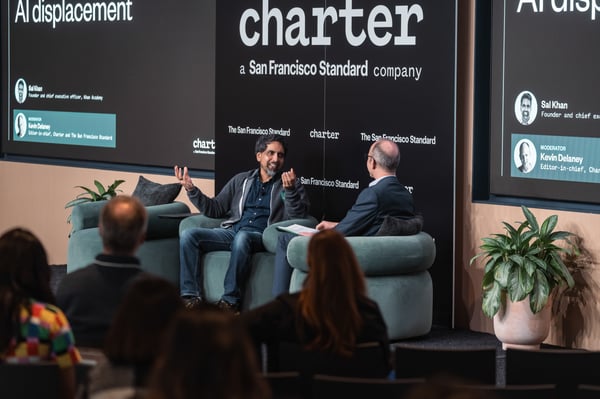
Photo by: Philip Wyers / Snappr News
Business leaders meet in SF for Charter’s AI leadership summit
Business and technology leaders gathered in San Francisco on February 24, 2026, for Charter’s Leading with AI Summit, exploring how companies are moving from experimentation to real transformation with artificial intelligence in the workplace.
Charter's Leading with AI summit brought together business and technology executives at Convene 100 Stockton in San Francisco on February 24, 2026, for a day of candid conversation about what happens after the AI experimentation phase ends.
The event, produced by Charter and The San Francisco Standard, ran from 9 AM to 3 PM and featured leaders from Anthropic, Walmart, Zapier, Khan Academy, Replit, LinkedIn, Airbnb, Box, Workday, and The Information. Unlike many AI conferences focused on the technology itself, this summit centered on the human side: how companies restructure teams, retrain workforces, and redesign roles when AI becomes a permanent part of how work gets done.
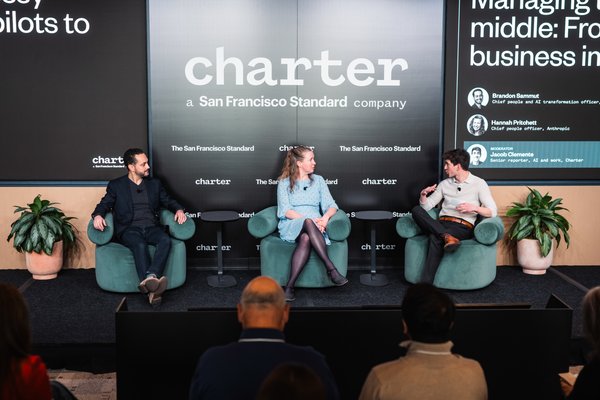
The day opened with a session on what Charter called "the messy middle", the gap between launching AI pilots that show promise and actually delivering measurable business results. Anthropic CPO Hannah Pritchett and Zapier's CPO and AI transformation officer Brandon Sammut discussed how their companies are pushing past initial experimentation. The consensus was clear: most organizations have proven AI can boost individual productivity, but translating that into company-wide ROI remains the central challenge of 2026.
Several sessions explored how AI is reshaping organizational structure. LinkedIn's chief economic opportunity officer Aneesh Raman and Airbnb's global head of people and culture Iain Roberts argued that the traditional org chart, built around hierarchies and reporting lines, is being replaced by something more fluid, organized around outcomes rather than positions. The question is no longer "who does this job?" but "what needs to be accomplished?"
Insights
From strategy to reality: the afternoon sessions
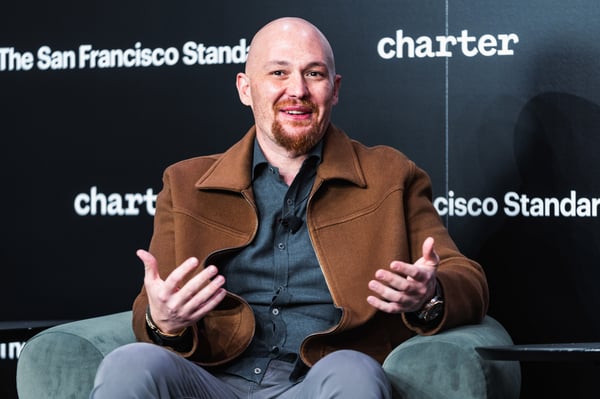
Replit CEO Amjad Masad offered a glimpse of what comes next, describing AI agents that already run unsupervised for hours at a time, performing work that previously required a junior engineer. His framing was deliberately practical: agents are bottleneck-breakers, not job-takers.
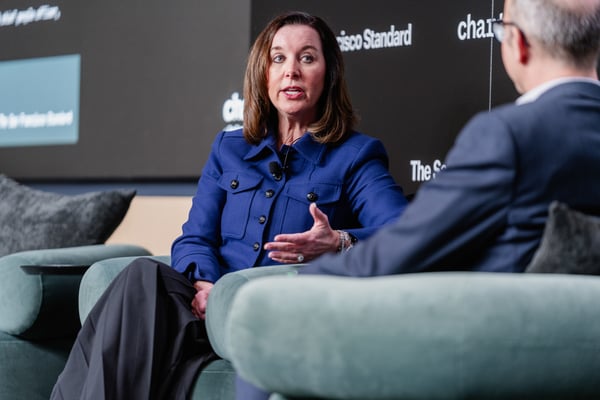
The summit's most anticipated session featured Walmart CPO Donna Morris discussing how the world's largest private employer is preparing two million workers for an AI-driven future. Walmart CEO Doug McMillon said last year that every job at the company will be changed by AI, and Morris detailed the company's approach: treating AI readiness as a people strategy, not a technology initiative, with the explicit goal of helping everyone make it through the transition.
The closing session brought Khan Academy founder Sal Khan to the stage for a conversation about AI displacement and what companies can do beyond traditional reskilling programs. Khan connected workforce readiness back to education, arguing that the institutions responsible for preparing people for work need to evolve as fast as the work itself.
Two of tech journalism's most prominent voices, Jessica Lessin of The Information and Casey Newton of Platformer and Hard Fork, offered their assessment of where AI adoption stands. Both were skeptical of bubble narratives but pointed to a widening gap between companies that are genuinely transforming and those still running surface-level pilots.
Related stories
View all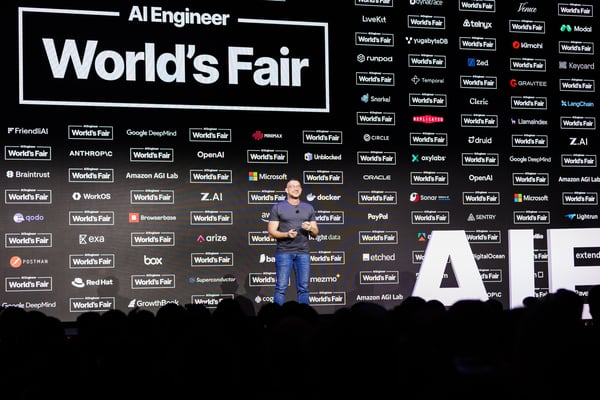
AI engineers told 'the model alone is no longer the product' as World's Fair opens in San Francisco
The AI Engineer World's Fair opened Tuesday at Moscone West in San Francisco, drawing more than 6,000 attendees and keynotes from Microsoft, OpenAI and Hugging Face, with a surprise appearance from OpenClaw creator Peter Steinberger.
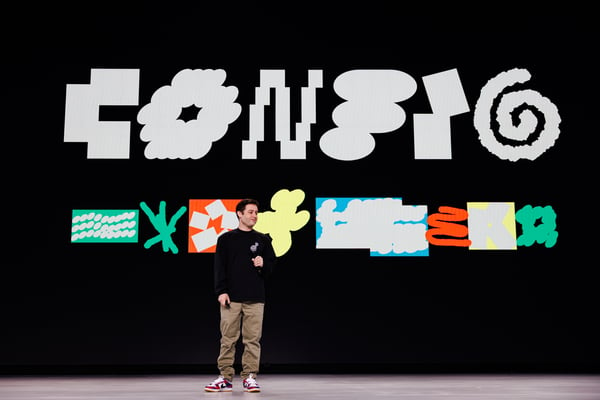
'Code is material for design': Figma announces new code layers at Config 2026
Figma unveiled new coding, animation and AI features at its Config 2026 conference in San Francisco, including code layers, native motion support, generative plugins and AI agent upgrades.
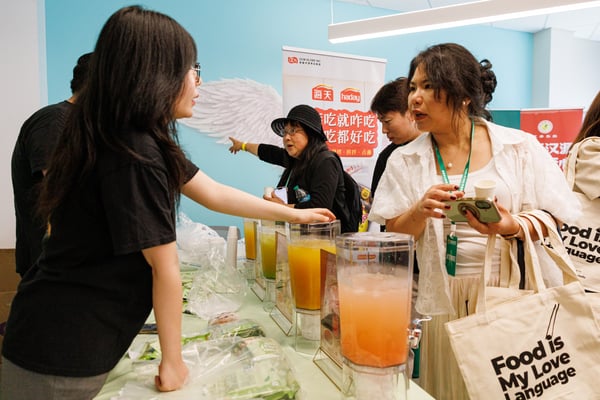
Food & Beverage Leaders Gather at SF's Taste of Asia Summit
The eighth annual Taste of Asia North American Food & Beverage Industry Summit drew restaurant operators, brand founders, investors and industry partners to Shenzhen Bay Innovation Center in San Francisco on June 15 for an evening of networking and deal-making. The event, part of a 2026 multi-city tour organized by NAAFIA and Asia Creative, featured a VIP mixer and programming on market trends, brand growth and cross-border business opportunities in the Asian food industry.