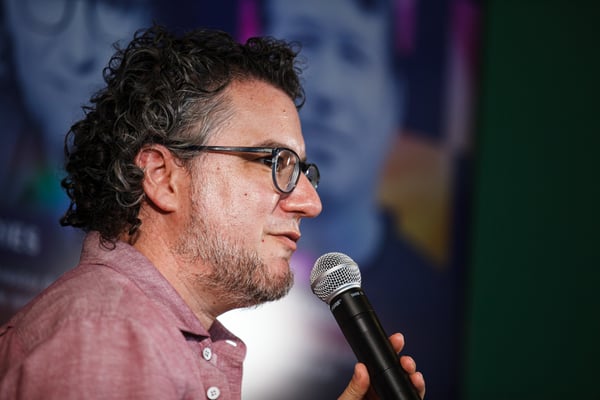
Photo by: Miles Cull / Snappr News
Eric Ries Warns of a Looming AI Governance Crisis
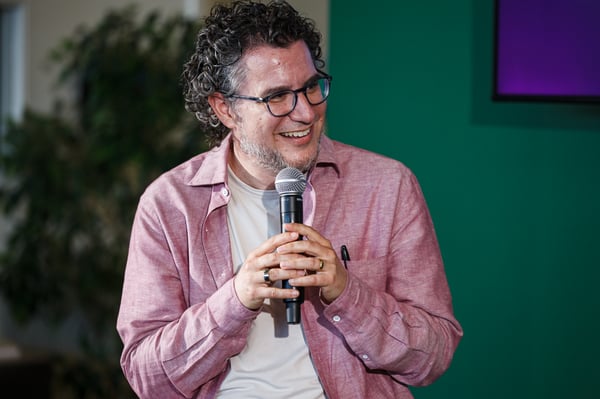
Ries warned that AI founders are too reluctant to challenge conventional corporate governance structures that he says are ill-suited to oversee powerful AI systems. Speaking at a fireside chat hosted by venture capital firm SOSV on June 12, Ries argued that shareholder-driven funding models erode founding principles over time and called on AI companies to adopt alternative oversight structures before investor pressure makes it too hard to do so.
The rapid proliferation of artificial intelligence companies has reignited debate over whether traditional corporate governance structures are adequate to oversee the development of powerful AI systems, a concern explored at length in a live conversation hosted by venture capital firm SOSV on June 12, 2026.
The hourlong fireside chat, part of SOSV's Deep Tech LIVE series, brought together author and investor Eric Ries and Po Bronson, a general partner at SOSV, for a discussion on what they described as a looming structural risk in the AI industry — the persistence of shareholder-driven funding models that may be ill-suited to guide the responsible development of large language models and AI labs.
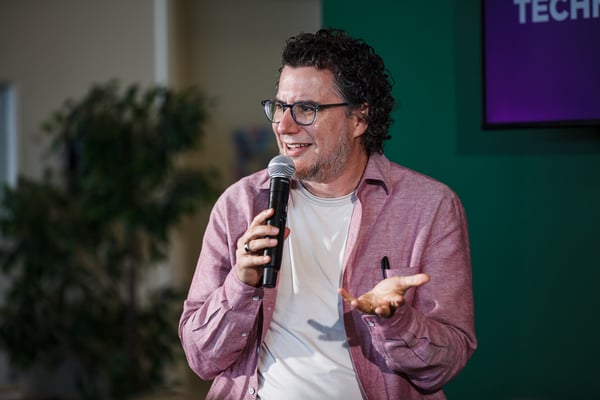
"Shareholder primacy," the principle that a company's primary obligation is to maximize value for its investors, has drawn scrutiny from governance scholars and technologists alike as AI capabilities accelerate. Major players including OpenAI, Anthropic, Google, Meta, Cohere and Palantir have each adopted some form of alternative oversight or differentiated voting structure, at least in part, as a guardrail against purely profit-driven decision-making. Yet the vast majority of new AI ventures continue to be formed and financed under conventional structures, with no such safeguards in place.
Ries, whose 2011 book "The Lean Startup" reshaped how a generation of founders thought about building companies, used the conversation to draw on his new book, "Incorruptible," which examines why companies fail to resist what he calls the "financial gravity" of Wall Street pressure — and what it takes to grow profitably while making a positive social impact.
At the heart of the discussion was a question Ries said the tech industry has largely avoided: what obligations does a company actually owe to the people affected by it. "Board members, as investors, as employees, as consumers," Ries said, listing the full range of stakeholders who interact with a company's decisions. He pushed back on the narrow framing of governance as primarily a legal or financial question, noting that some baseline obligations — like not committing fraud — have long been settled, but that the harder questions rarely get asked. "We rarely discuss the," he said before pivoting to the broader implications — namely, what responsibilities AI companies owe when their products can affect society at scale.
A recurring theme was the dynamic that plays out once a startup takes on growth capital. Ries described a familiar pattern in which a company's founding principles erode as its investor base changes. "You get some growth investors on your board and the bold" commitments made at founding begin to buckle, he said. When those investors push for faster returns, founders often capitulate not through a single dramatic decision but through a gradual series of compromises. "They're not going to say no. They'll be like, 'Sure, absolutely,'" Ries said, describing how even well-meaning investors can undermine a company's stated mission simply by making approval conditional on accommodation.
Bronson pushed back in the voice of a skeptic. "But aren't we a for-profit company? Couldn't our investors pressure us?" he asked. "But couldn't they fire you if they don't like what you're doing?" Ries acknowledged the risk but argued that good governance structures exist precisely to prevent that outcome — that the ability to "invest in R&D countercyclically" and "defend a commitment" to long-term mission depends on having the right structural protections in place before the pressure arrives.
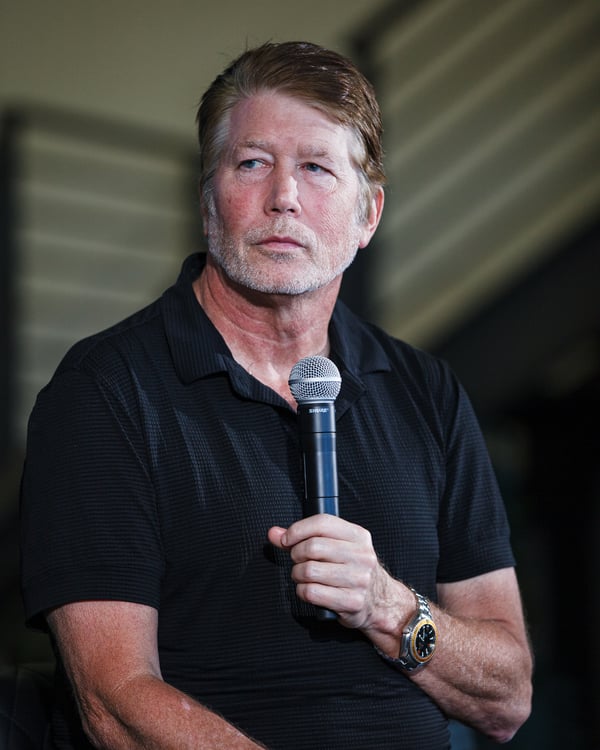
On the specific challenge of AI governance, Ries framed trust and trustworthiness as the central problem. He described company leaders who raise concerns about ethical or safety issues only to be patronized or ignored. "They'd be like, so condescending," he said, characterizing a dynamic in which founders who surface concerns are managed rather than heard.
The problem, Ries suggested, is that many founders recognize the issue but treat the solution as someone else's problem. He mimicked the response he often hears from founders when the topic comes up: "Sounds too hard. I don't know. I'm too scared."
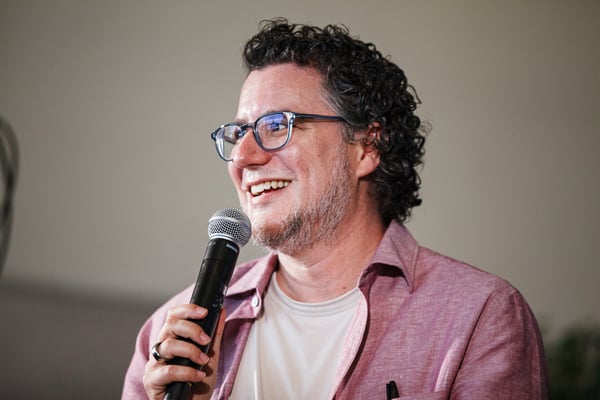
The event was broadcast live from SOSV's San Francisco event space and is available to watch in full on the firm's YouTube channel. It is the latest installment of SOSV Deep Tech LIVE, a video series featuring conversations with founders, researchers and technologists working at the frontier of science-based innovation.
Related stories
View all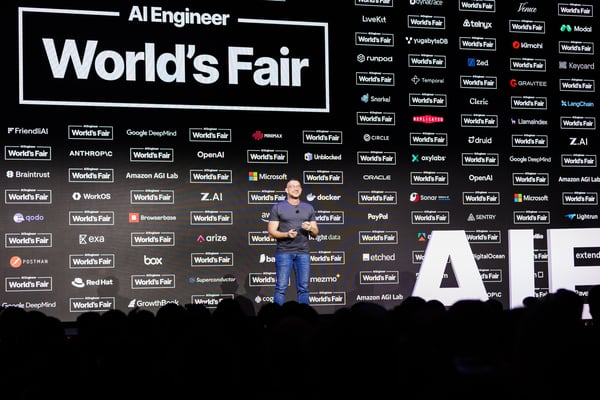
AI engineers told 'the model alone is no longer the product' as World's Fair opens in San Francisco
The AI Engineer World's Fair opened Tuesday at Moscone West in San Francisco, drawing more than 6,000 attendees and keynotes from Microsoft, OpenAI and Hugging Face, with a surprise appearance from OpenClaw creator Peter Steinberger.

'Code is material for design': Figma announces new code layers at Config 2026
Figma unveiled new coding, animation and AI features at its Config 2026 conference in San Francisco, including code layers, native motion support, generative plugins and AI agent upgrades.

Food & Beverage Leaders Gather at SF's Taste of Asia Summit
The eighth annual Taste of Asia North American Food & Beverage Industry Summit drew restaurant operators, brand founders, investors and industry partners to Shenzhen Bay Innovation Center in San Francisco on June 15 for an evening of networking and deal-making. The event, part of a 2026 multi-city tour organized by NAAFIA and Asia Creative, featured a VIP mixer and programming on market trends, brand growth and cross-border business opportunities in the Asian food industry.