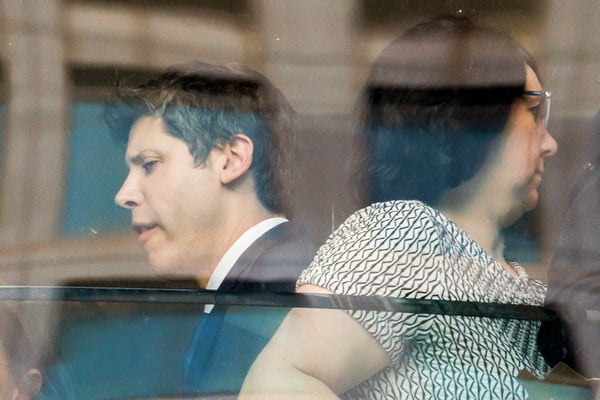
Photo by: Miles Cull / Snappr News
Musk v. Altman: The Trial That Hinged on a Calendar
Elon Musk's lawsuit against Sam Altman and OpenAI ended in Oakland after three weeks of testimony. A nine-person jury took under two hours to decide.
Elon Musk's lawsuit against Sam Altman and OpenAI ended on May 18, 2026, in a federal courtroom in Oakland. A nine-member advisory jury deliberated for less than two hours before deciding that Musk had waited too long to sue. Judge Yvonne Gonzalez Rogers adopted the verdict from the bench and dismissed the case.
Musk co-founded OpenAI in 2015 and left its board in 2018. He sued in 2024, arguing that Altman and OpenAI president Greg Brockman had broken a promise to keep the company a nonprofit. He asked the court to unwind OpenAI's for-profit restructuring, remove Altman and Brockman, and order up to $150 billion returned to the nonprofit. The jury never reached those questions. It ruled on a three-year statute of limitations and found the claims filed too late.
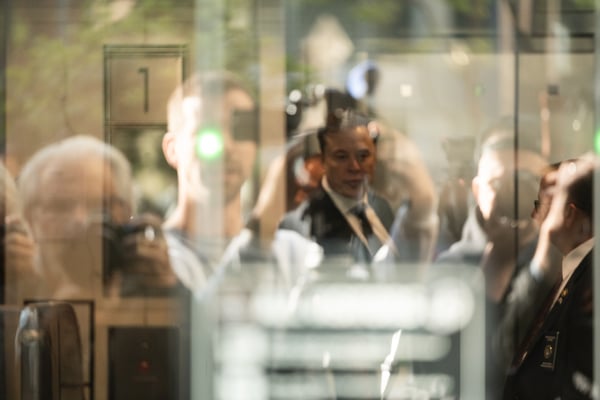

Three Weeks of Testimony
The trial opened on April 28 and ran close to three weeks. Musk took the stand first. He described three phases of a slow realization that OpenAI had been monetized, with the final phase beginning around 2022. OpenAI's lead attorney, William Savitt, told the jury a simpler story. Musk quit, predicted the company would fail, and sued once it succeeded without him.
Altman testified for about four hours. He said he never promised to keep OpenAI a nonprofit and that Musk abandoned the company when its funding looked uncertain. "We were kind of left for dead," he told the jury. Brockman spent two days on the stand and disputed Musk's account of the early years. He testified that open sourcing was never a core commitment, and that Musk had OpenAI employees do unpaid self-driving work for Tesla in 2017.
Microsoft and the Money
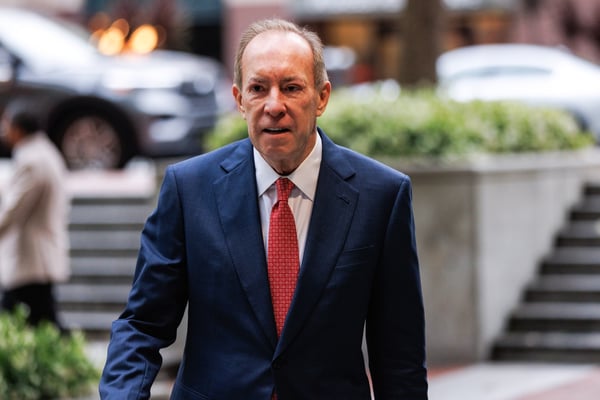
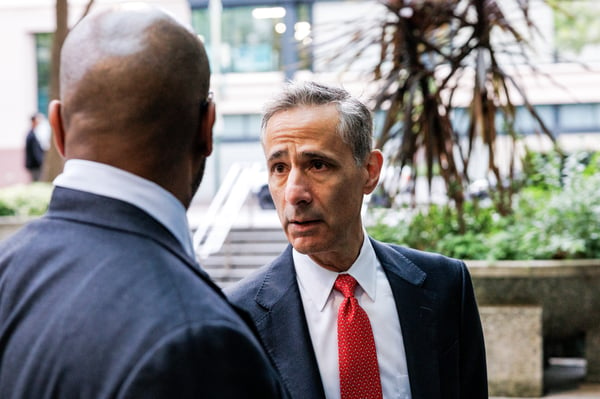
Microsoft was also a defendant. Musk accused it of aiding OpenAI's alleged breach through more than $13 billion in investments. Satya Nadella testified that Musk never raised concerns with him about the partnership. Microsoft's attorney argued the company could not have aided a breach that the evidence showed Musk knew about years earlier, pointing to a 2020 post in which Musk wrote that OpenAI looked captured by Microsoft.
The Verdict
In closing, OpenAI attorney Sarah Eddy argued that Musk's early funding, about $38 million, came with no strings attached, so there was no charitable trust to enforce. The jury agreed the clock had run out. Gonzalez Rogers adopted the advisory verdict and said substantial evidence supported it. The claim against Microsoft was dismissed as well.
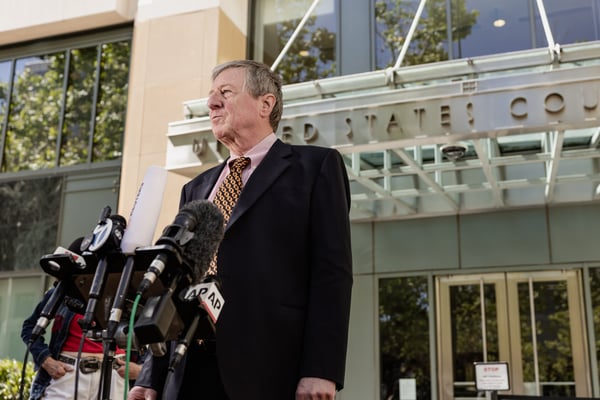
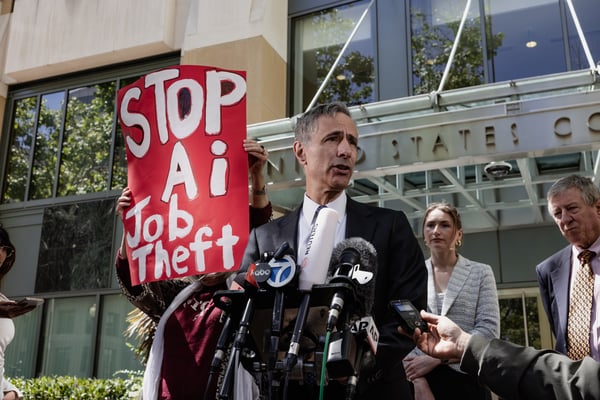
Musk called the outcome a calendar technicality and said he would appeal. His attorney Marc Toberoff offered reporters a single word, "appeal." Outside the courthouse, Savitt told reporters the ruling was substantive, not technical. OpenAI's lawyers left the building in downtown Oakland with hugs and back slaps. A handful of protesters waved anti-AI signs nearby.
Related stories
View all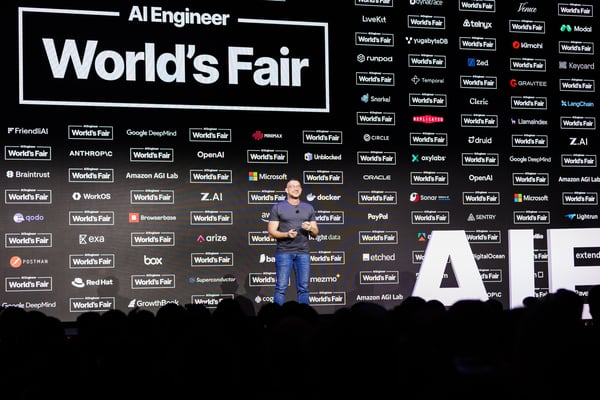
AI engineers told 'the model alone is no longer the product' as World's Fair opens in San Francisco
The AI Engineer World's Fair opened Tuesday at Moscone West in San Francisco, drawing more than 6,000 attendees and keynotes from Microsoft, OpenAI and Hugging Face, with a surprise appearance from OpenClaw creator Peter Steinberger.
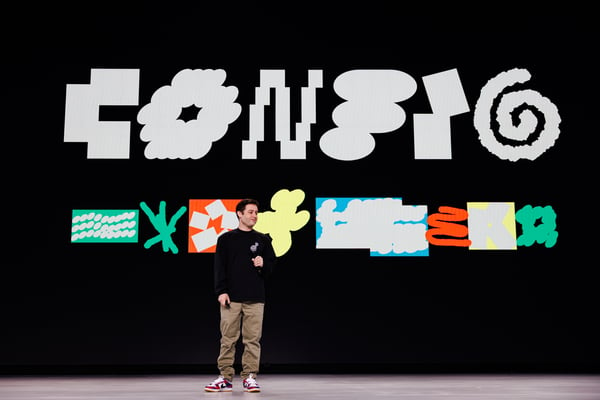
'Code is material for design': Figma announces new code layers at Config 2026
Figma unveiled new coding, animation and AI features at its Config 2026 conference in San Francisco, including code layers, native motion support, generative plugins and AI agent upgrades.
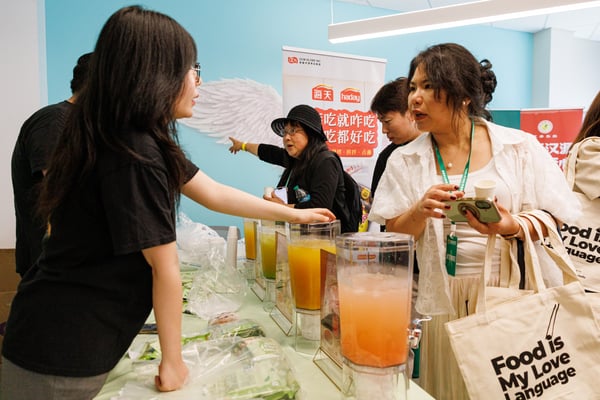
Food & Beverage Leaders Gather at SF's Taste of Asia Summit
The eighth annual Taste of Asia North American Food & Beverage Industry Summit drew restaurant operators, brand founders, investors and industry partners to Shenzhen Bay Innovation Center in San Francisco on June 15 for an evening of networking and deal-making. The event, part of a 2026 multi-city tour organized by NAAFIA and Asia Creative, featured a VIP mixer and programming on market trends, brand growth and cross-border business opportunities in the Asian food industry.