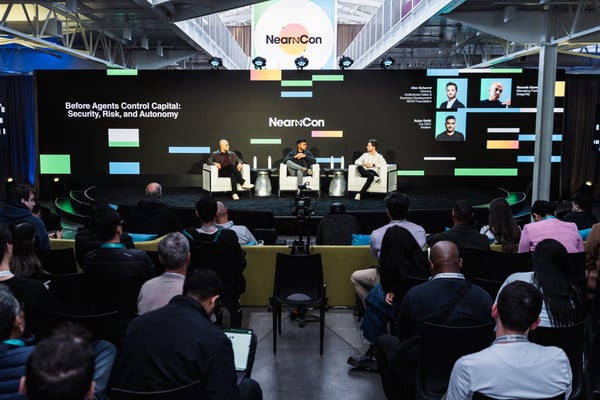
Photo by: Philip Wyers / Snappr News
NEARCON 2026 puts AI front and center for the next wave of the open web
NEARCON brought together tech leaders to focus on AI adoption, open infrastructure, and user-controlled data. Discussions centered on how AI products, decentralized systems, and new developer tools can reshape digital ownership and scale globally.
NEAR Protocol's flagship conference returned to the United States for the first time in years, landing at Fort Mason Center in San Francisco on February 23-24, 2026. The move from Lisbon was deliberate. NEAR wanted to be closer to the center of the AI revolution, and the conference's theme reflected that ambition: "Private. Intelligent. Yours."
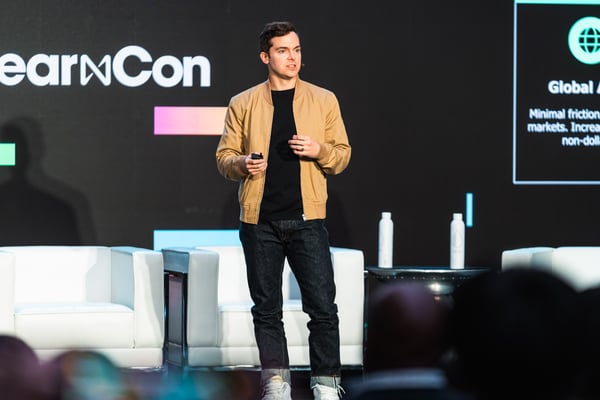
The two-day, invite-only event gathered developers, founders, researchers, and investors to explore what happens when AI meets decentralized infrastructure. NEAR co-founder Illia Polosukhin opened with a keynote on how NEAR AI and NEAR Intents are converging as a unified commerce layer, enabling AI agents to transact across asset types with secure, private infrastructure. His message was pointed: the next generation of AI products should be owned by their users, not the platforms that host them.
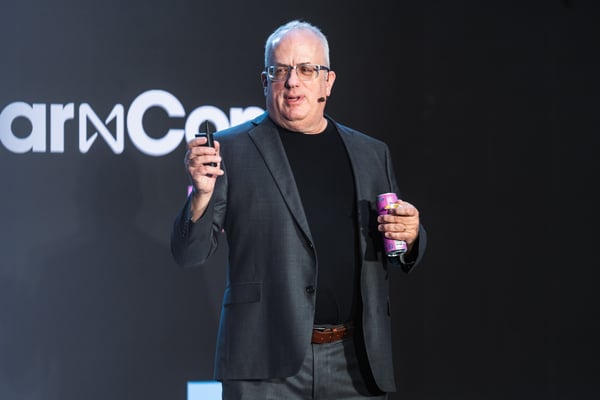
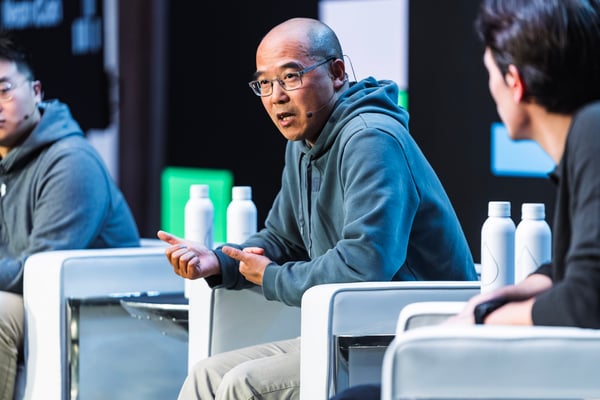
The speaker lineup drew from well beyond the crypto ecosystem. Brendan Eich, creator of JavaScript and CEO of Brave, spoke about privacy in the age of AI. A Google product lead for Web3 joined a Linux Foundation CTO to discuss how real autonomous systems are assembled and constrained in practice. An OpenAI researcher addressed the question of AI scale. Intel's software architect highlighted security requirements for AI systems running on decentralized networks.
Insights
Beyond the keynotes, a community choosing its moment
The invite-only format was a departure from previous NEARCONs, which had been open-registration events in cities like Lisbon, Bangkok, and Seoul. Organizers described the shift as "limited and curated," aiming to bring together people actively building rather than those browsing. The result was a smaller, more focused room where conversations carried more weight.
The theme of user-owned AI ran through nearly every session. Where most AI conferences in early 2026 focused on enterprise adoption or consumer productivity, NEARCON framed the conversation around a different question: who controls the intelligence? Speakers repeatedly returned to the idea that AI agents transacting on behalf of users should operate on open, permissionless infrastructure rather than within walled gardens controlled by a handful of companies.
Fort Mason itself added something to the atmosphere. The waterfront arts venue felt more intimate than a convention center, and the curated attendance meant that hallway conversations between sessions often continued the debates that started on stage. For a community that had spent most of the crypto winter building quietly, NEARCON 2026 felt like a deliberate step back into public view, timed to a moment when the AI conversation was shifting toward questions about ownership, privacy, and infrastructure that decentralized networks were built to answer.
Related stories
View all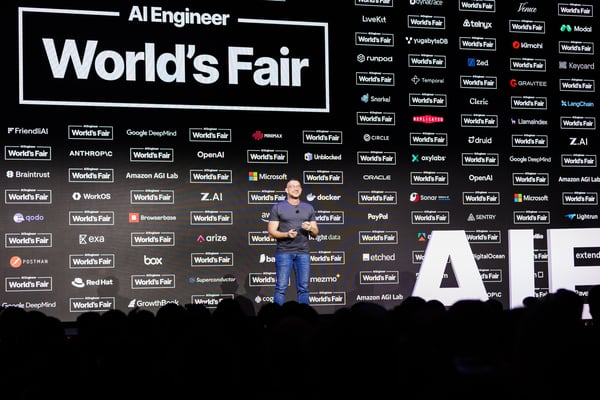
AI engineers told 'the model alone is no longer the product' as World's Fair opens in San Francisco
The AI Engineer World's Fair opened Tuesday at Moscone West in San Francisco, drawing more than 6,000 attendees and keynotes from Microsoft, OpenAI and Hugging Face, with a surprise appearance from OpenClaw creator Peter Steinberger.
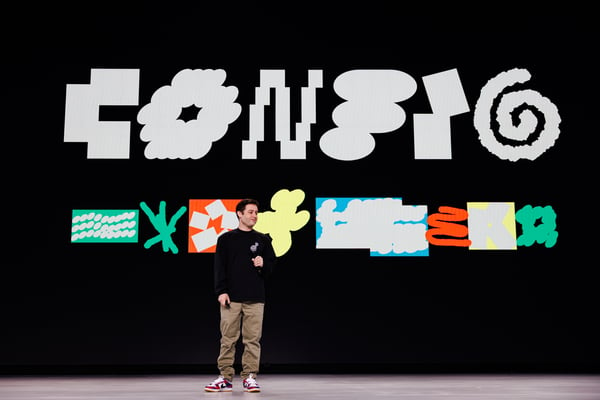
'Code is material for design': Figma announces new code layers at Config 2026
Figma unveiled new coding, animation and AI features at its Config 2026 conference in San Francisco, including code layers, native motion support, generative plugins and AI agent upgrades.
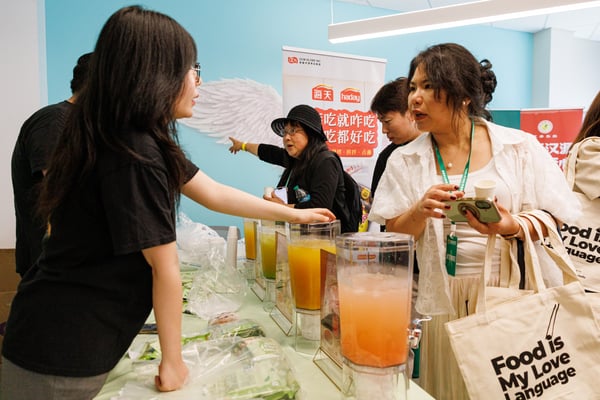
Food & Beverage Leaders Gather at SF's Taste of Asia Summit
The eighth annual Taste of Asia North American Food & Beverage Industry Summit drew restaurant operators, brand founders, investors and industry partners to Shenzhen Bay Innovation Center in San Francisco on June 15 for an evening of networking and deal-making. The event, part of a 2026 multi-city tour organized by NAAFIA and Asia Creative, featured a VIP mixer and programming on market trends, brand growth and cross-border business opportunities in the Asian food industry.