

As the nation re-opens and Americans strive to return to their pre-COVID way of life, many businesses are struggling to cope with the aftermath of the pandemic.
The Pandemic’s Impact on Retail
Although the shutdowns gutted the restaurant, hospitality, and entertainment industries, many brick-and-mortar retailers also suffered devastating sales losses. According to Fortune magazine, 8,741 retailers closed their doors last year, and about 3,169 more shut down by early April 2021.
An April 2021 report from the global financial company UBS predicts that around 80,000 retail stores — about 9% of the current number — will shutter permanently by 2026. The report also predicts that e-commerce sales will rise to 27% of total retail sales from 18% today.
It may come as no surprise that the brick-and-mortar stores that were able to ride through the pandemic — some ringing in better-than-average sales were the ones that focused on online sales.

Just as office workers switched to Zoom meetings, some savvy retailers created new e-commerce shops or, if they already had them, amped up their offerings.
With the CARES Act providing short-term relief to some businesses, we may not know the full extent of pandemic-related closures for some time. What we do know is that successful retailers took some key steps during COVID.
This article examines those steps and how they will continue to help retailers navigate the post-COVID marketplace.
A Focus on Strong Consumer Engagement
Long before we ever could have conceived of a virus turning our world upside down, retailers were facing a changing customer base. Thanks to the internet, consumers have more choices and more decision-making power than ever before.
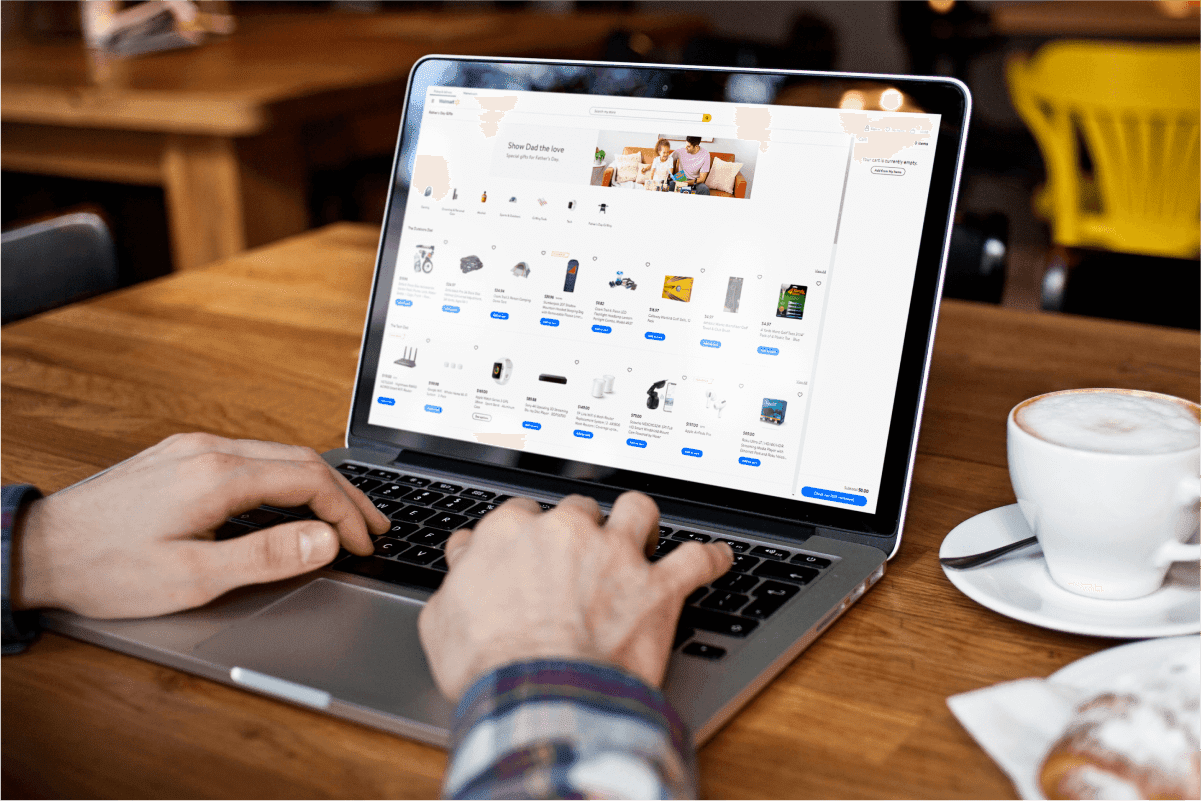
They don't need to shop in a physical store if they can find a better selection and lower prices for the same goods online. What successful retailers have done and need to continue to do is make consumers want to shop in their stores, and they can accomplish this by focusing on consumer values.
During the shutdowns, successful retailers focused on their customers' health and safety by sharing details of the protocols they implemented. Many offered curbside pickups for their customers' convenience. They also emphasized their employees by sharing their stories and their involvement in the community, including posting photos of dropping off snacks and gifts to front-line workers.
As we move past the COVID crisis, retailers should examine what their brand represents in terms of values and community support. Some studies show that the pandemic has accelerated a growing consumer preference for ethical and environmentally friendly goods.
A survey by the management consultancy group Accenture found that 60% of respondents said they considered sustainability more often when making purchases since the start of the pandemic. The study also found that nine out of 10 of that group said they would continue doing so.
For many shoppers, COVID was a wake-up call to focus more on what is important.
"It (COVID) is making people think more about balancing what they buy, and how they spend their time, with global issues of sustainability," Accenture's Oliver Wright said in a press release accompanying the study. "It's clear that consumption is looking very different than it did."
An Embrace of Technology
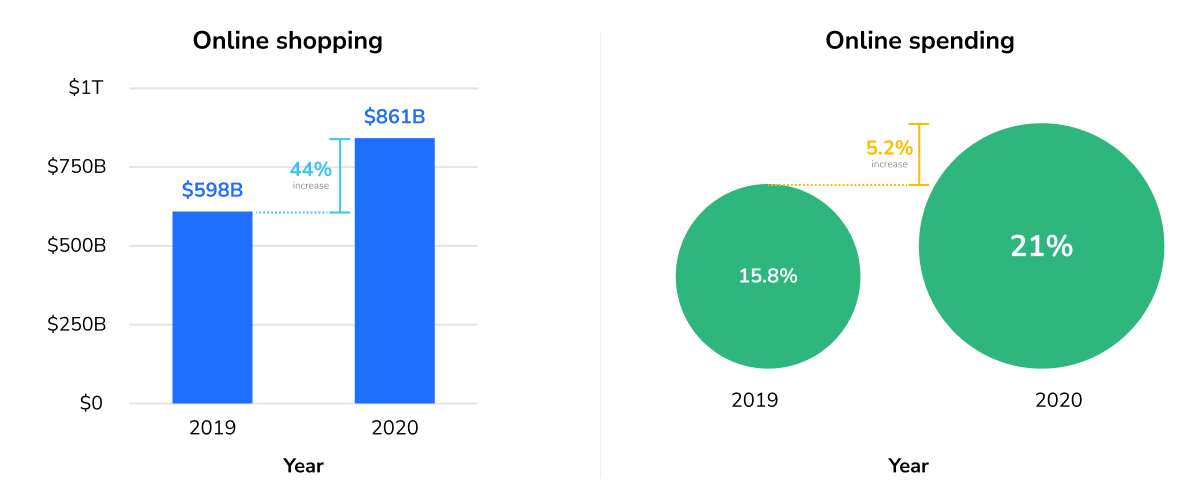
Thanks in large part to the shutdowns, online shopping went through the proverbial roof in 2020. Consumers spent $861 billion online with U.S. retailers last year, up 44% from $598 billion in 2019. And online spending accounted for 21% of all retail sales in 2020, up from 15.8% in 2019.
And let’s not forget the giant of online retailers as we examine all this growth. Amazon’s 2020 annual revenue rose 38% to $386 billion, an increase of over $100 billion from the previous year. And Amazon’s profit was up 84% year over year compared to 2019.
Rather than fearing e-commerce or fighting it, successful brick-and-mortar stores are leveraging technology to their full advantage.

Some retailers that already had thriving e-commerce businesses before 2020 saw sales increases during the shutdowns. Big box stores, like Target and Walmart, even redesigned their physical locations to accommodate online order fulfillment and pickup.
Smaller establishments have modified this approach for their customers. One way these retailers have embraced technology is by adopting an omnichannel approach to create a seamless experience for shoppers. Here are some steps they made sure customers can take:
- Place an online order and pick it up in-store
- Click on an item featured in your email to add it to their mobile app shopping list.
- Log in to your website to see all past purchases, in-store, online, or via Facebook Shop.
- Check loyalty points and rewards on a mobile app.
- Create a shopping list on a mobile app that a clerk can look up and fulfill in-store.
Post-COVID shoppers will continue to like the convenience of online shopping, so retailers can embrace their preferences by making their store experience something that augments and even improves the online experience.
Retailers can drive traffic to physical locations by rethinking their current layouts. For example, there’s no longer a need to have every item in stock if customers can order them online. A new approach is to create space for trying out new products and services, perhaps using hands-on demonstrations or virtual reality to make things fun and engaging.
Another way to drive foot traffic is to reward repeat customers with in-store discounts and exclusive access to in-store events. A focus on making in-store customers feel welcome completes the picture.
The Use of Professional Photography to Attract and Retain Customers
Both of the previous steps rely heavily on one crucial factor – great images.
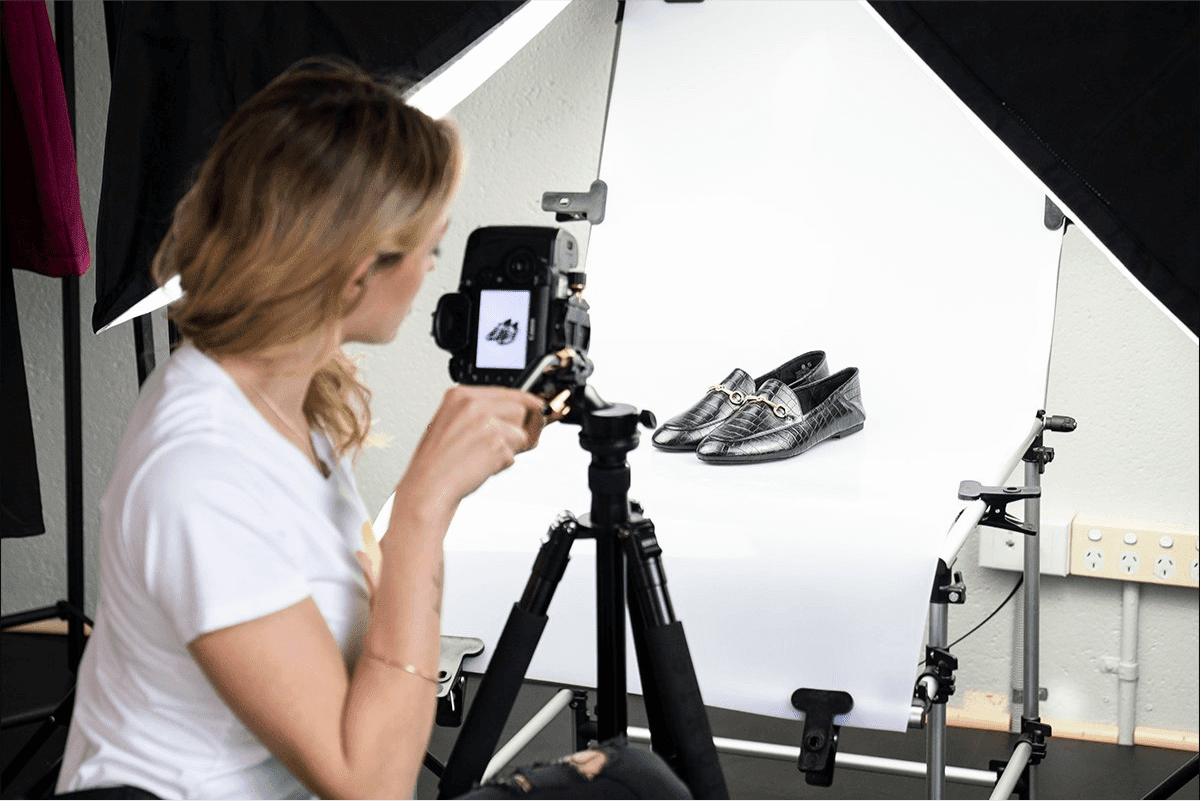
The stores that engage with their customers do so via great photos and videos posted on their websites and social media pages. And the stores that successfully combine their online and in-store experiences use striking images to bridge the gap.
We live in a visual world. Since the inception of social media, posts with photos have gotten the most hits. More than 93% of consumers consider a product's visual appearance a critical factor in their purchasing decisions.
Recent customer surveys show that more than 75% of online shoppers rely on product photos when making a purchase decision. Also, the reason given for 22% of returns is that the product looks different from how it appeared in an online photo.
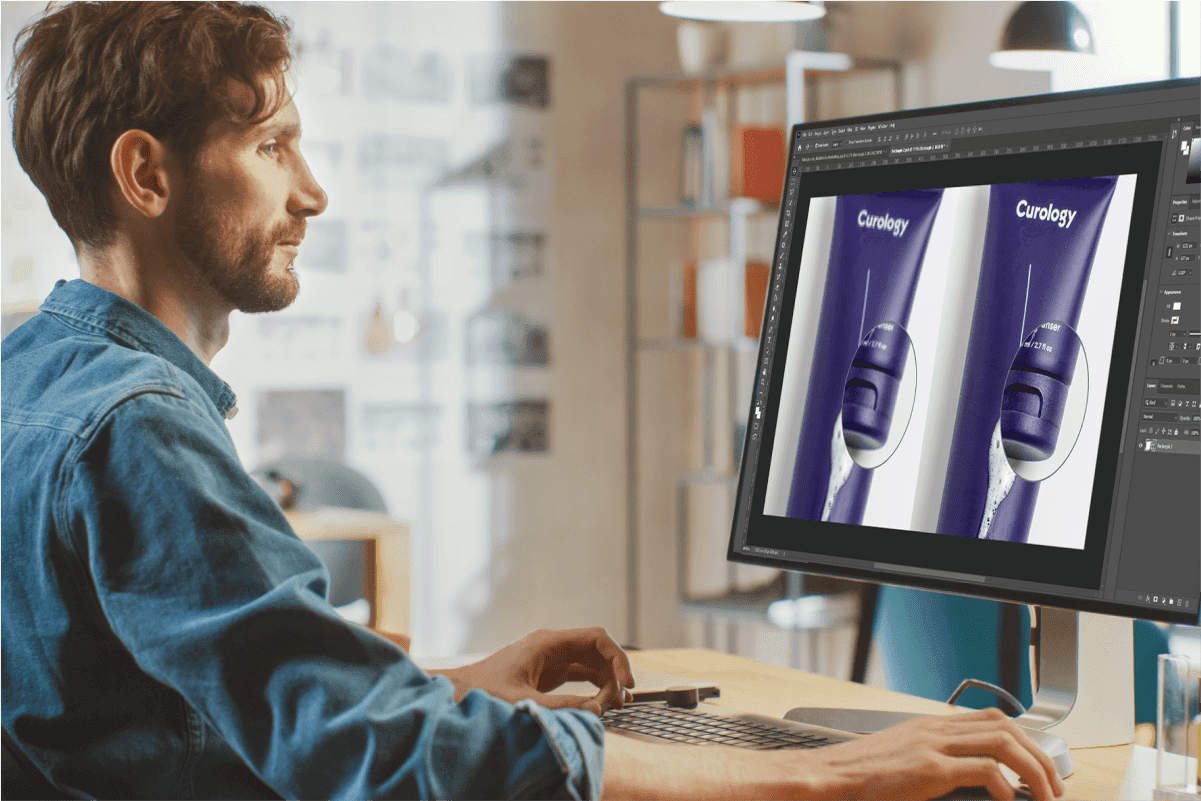
These statistics demonstrate that professional photography and editing are the best way for retailers to attract interest in their goods and services.
Customers want to be able to zoom in on a product and look at it from every angle before making a purchase decision. You can't get that kind of clarity and detail with cell phone shots. In fact, blurry photos can cause a potential customer to click out of your site and head elsewhere for their purchase.
Lessons from COVID: The Future of Retail
What can retailers learn from the disruptions caused by COVID? To paraphrase Mark Twain, the reports of the death of brick-and-mortar stores have been greatly exaggerated. Yes, the retail landscape may be forever changed. But the retailers who are consumer-focused, embrace new technology, and share high-quality photos of their products will not only recover from the past year but also thrive in the future.
If you are ready to take your e-commerce photography and editing to the next level, Snappr is the answer. Snappr matches the top professional photographers in your area with the people and businesses who need great photos.
Snappr does all the legwork for you, and in many cases you can have a photographer at your store in as little as 2 hours, ready to take the exceptional photos you need to drive traffic and sales.


