
Capturing an audience all year
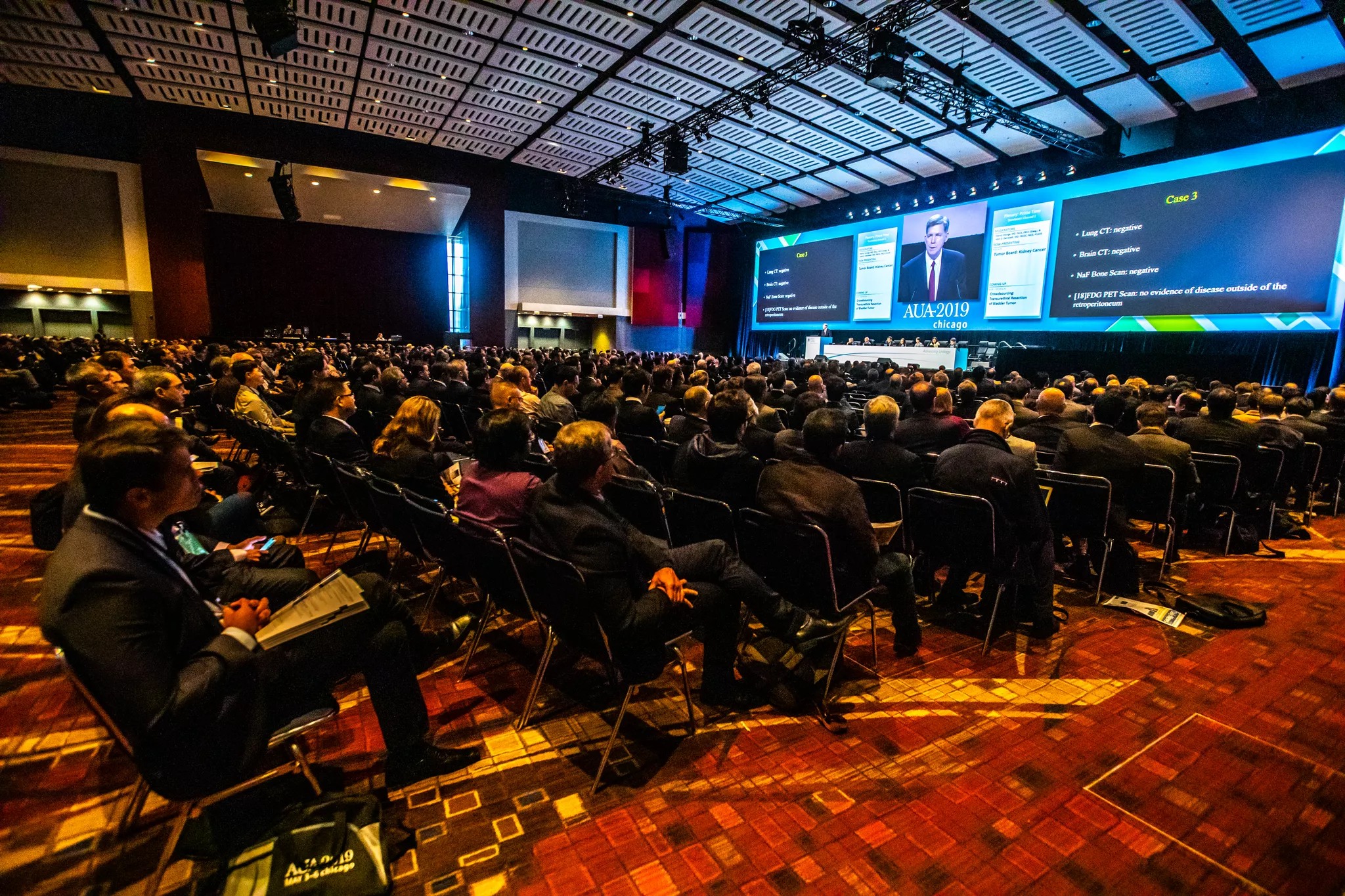
The doors close, the badges go in the bin, and somewhere in a shared drive sits a folder called "photos_final_v3." Most of it never gets used. That folder is the cheapest growth lever you own.
Here is the math that should worry you. Freeman research reported by PCMA found that on average only 30 percent of event audiences return from year to year. Seven out of ten seats have to be re-sold to someone who was not there. You cannot re-sell a seat with a paragraph. You sell it by showing a person what the room felt like.
Demand is not the problem. Freeman's 2026 research has 70% of attendees ranking in-person events as their top source of professional learning, ahead of webinars and on-demand platforms. Proof is the problem.
The gap between the event you ran and the event people remember
Freeman also measured something uncomfortable. Attendees who experience what Freeman calls a peak moment are 85% more likely to return. Only 40% say they have had one, while 78% of organizers believe they are delivering them.
That 38-point gap is a photography brief. Your peak moments happened. The standing ovation, the hallway introduction that turned into a deal. If nobody captured them, they exist only for the people standing there, and those people are the 30% who were already coming back.
A conference photographer's real job is not documentation. It is manufacturing evidence for an audience that was not in the building.
What the gallery is actually worth
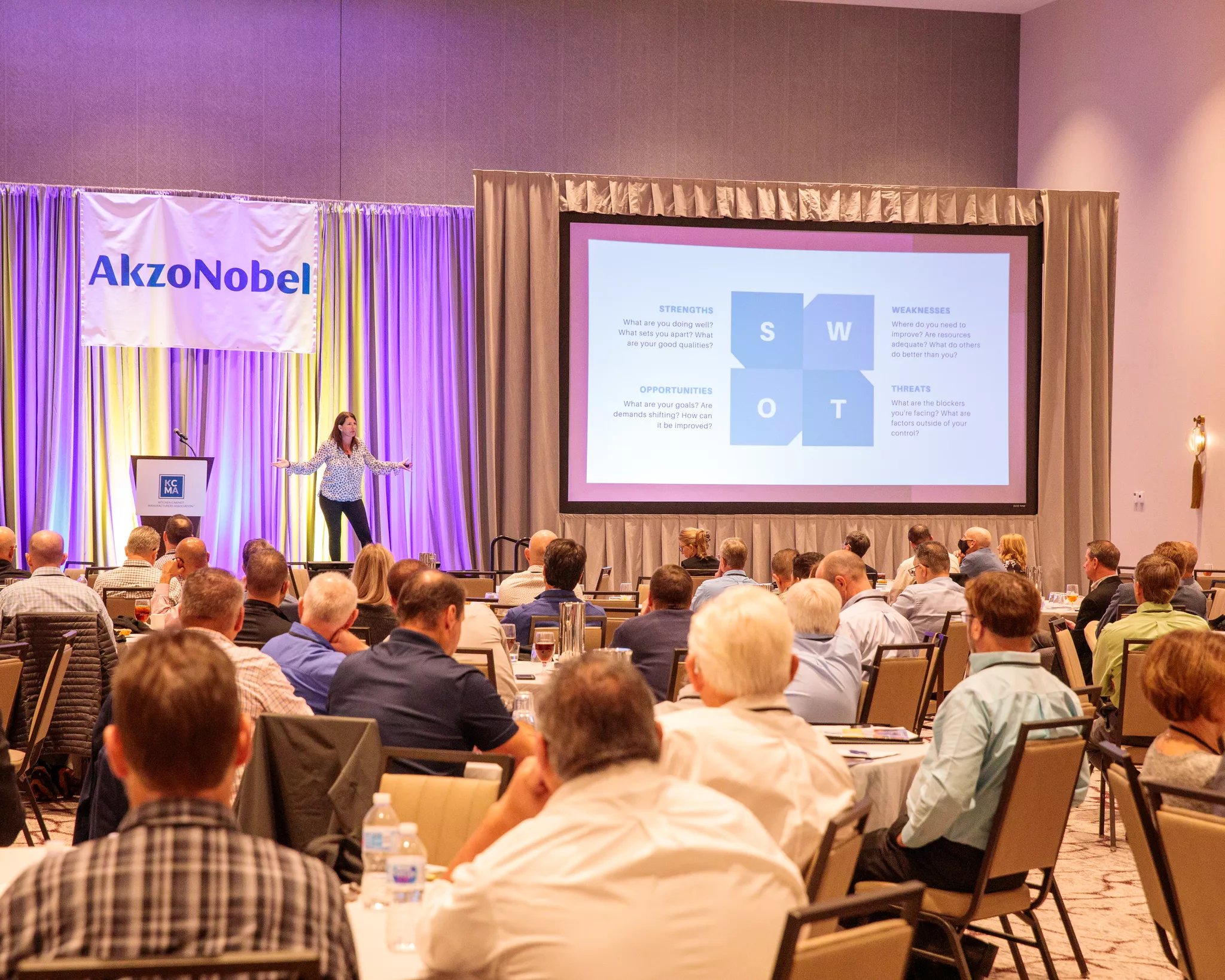
Organizers already understand event content as a pipeline. Bizzabo's 2025 benchmarking report found that 82% of organizers create video-on-demand content from their events, with 53% of them gating it. Photography rarely gets the same treatment, even though it is faster to produce, cheaper to distribute, and the only format that works on a registration page, a sponsor deck, a paid social ad, and a press release at once.
Sponsors care too. The same Bizzabo research found 37% of organizers attribute 40-60% of event revenue to sponsorship deals. When a renewal conversation opens with photographs of real buyers standing three-deep at a sponsor's activation, the negotiation changes character.
Quality is the variable. A peer-reviewed study in the Journal of Marketing Research found that high-quality, professionally shot pictures consistently drive higher social engagement across platforms and product categories. That tracks with platform data: Buffer's analysis of 52 million posts puts LinkedIn image posts at a 6.52% median engagement rate against 3.18% for text.
Brief for the campaign, not the day

The organizers who get usable libraries do three things differently. They write the shot list backwards from next year's marketing calendar rather than forward from the run-of-show. They demand a same-day selects gallery, because a photograph posted while the event is still trending is worth several posted the following Tuesday. And they specify horizontal and vertical crops up front, so the keynote frame works as a hero banner and a Story without a designer rebuilding it.
Our guide to how top event managers get the best photos covers the briefing process in more depth, and the nine tips for better event photographs is worth forwarding to whoever is running your floor.
Coverage that scales past one city
One conference is a booking problem. A twelve-city roadshow with consistent look, consistent turnaround, and consistent deliverable specs is an operations problem, and it is where most in-house approaches break. Sourcing a new freelancer in every market means renegotiating quality and licensing every single time.
Snappr covers 95% of US geography and 90% of the English-speaking world, with shoots bookable in minutes on as little as 24 hours' notice. Shoot guidelines are written once and applied automatically to every photographer on every date, so a session in Austin matches a session in Boston. Edited event galleries land within 72 hours, or on a 48-hour standard for Enterprise programs, and the business events team can push them straight into your stack via API.
The events business is not shrinking. Events Industry Council and Oxford Economics put 2025 business events at 1.65 billion participants and US$1.3 trillion in direct spending, 12.2% above 2019. The competition for those attendees is getting sharper. Show them what they missed.
Book time with Snappr's Enterprise team to build conference coverage that runs on the same standard in every market you operate in.
Frequently asked questions
What does a conference photographer actually deliver?
A conference photographer delivers keynote and session coverage, candid hallway and networking imagery, sponsor and exhibitor activations, venue and branding detail shots, and headshot-style portraits of speakers. Ask for a same-day selects gallery for social plus a full edited library within 72 hours.
How many photographers does a conference need?
It depends on concurrent tracks, not attendance. One photographer can cover a single-track event of most sizes. Anything with two or more simultaneous sessions plus an exhibit floor needs at least two, and large multi-day conferences typically run three or more to keep coverage overlapping.
When should I book a conference photographer?
Book as early as your venue contract is signed for peak season dates. Snappr shoots can be booked in minutes with as little as 24 hours' notice, which covers late additions and last-minute track changes, but early booking gives you time to brief the shot list properly.
How do conference photos affect next year's registration?
They are the primary proof asset in your registration campaign. Since roughly 70% of an audience does not return year over year, most of next year's buyers never saw your event, and photographs are the fastest way to show them what the room was like.
Should the photographer shoot sponsors separately?
Yes, and it should be written into the brief. Sponsor activation coverage is what makes a renewal deck persuasive, and it is often the deliverable exhibitors value most from the show.
Sources
1. PCMA, Retention Is Real Growth Strategy — Freeman research on ~30% year-over-year audience retention
2. Freeman Trends Report, 2026 — 70% of attendees rank in-person events as top learning source
3. Freeman Trends Report, 2025 — peak moments and the 85% return effect
4. Bizzabo, 2025 State of Events and Industry Benchmarks — VOD content creation and sponsorship revenue share
5. Journal of Marketing Research, Li and Xie — professional image quality and social engagement
6. Buffer, State of Social Media Engagement 2026 — LinkedIn image vs. text engagement rates
7. Events Industry Council and Oxford Economics, 2026 — global business events participants and direct spending


