
The most expensive three days of your marketing year
Six figures on floor space, a custom booth build, flights, hotels, and a crate that arrived two days late. Two hundred and sixty-nine people walked through, roughly the average attendance for a B2B event tracked on Bizzabo's platform. Your VP gave a session. Your best engineer had a twenty-minute conversation with a prospect that closes next quarter.
Then someone took 4,000 photos on a rented DSLR, dumped them in a shared drive, and nobody opened the folder again.
That is the real failure mode of convention photography. Not bad lighting or missed moments. The images exist and never get used, while the event that produced them was the densest gathering of your customers, prospects, and employees all year.
Freeman's trends research, drawn from a survey of more than 4,700 attendees and 185 event organizers, found 70% of attendees rank in-person events as their primary learning channel, above every digital option. Bizzabo's data shows 78% of organizers call in-person conferences their most impactful marketing channel, and the CEIR Total Index is forecast to grow 2.1% in 2026.
Companies are spending more on the floor. Most still treat what happens on it as a memory rather than an asset.
What a convention photographer should actually be briefed to shoot
The default brief is "get good photos of the booth." That produces a folder of wide shots with nobody in them, taken during the dead hour before doors opened.
A useful brief works backward from where the images will live. Four buckets cover most of it.
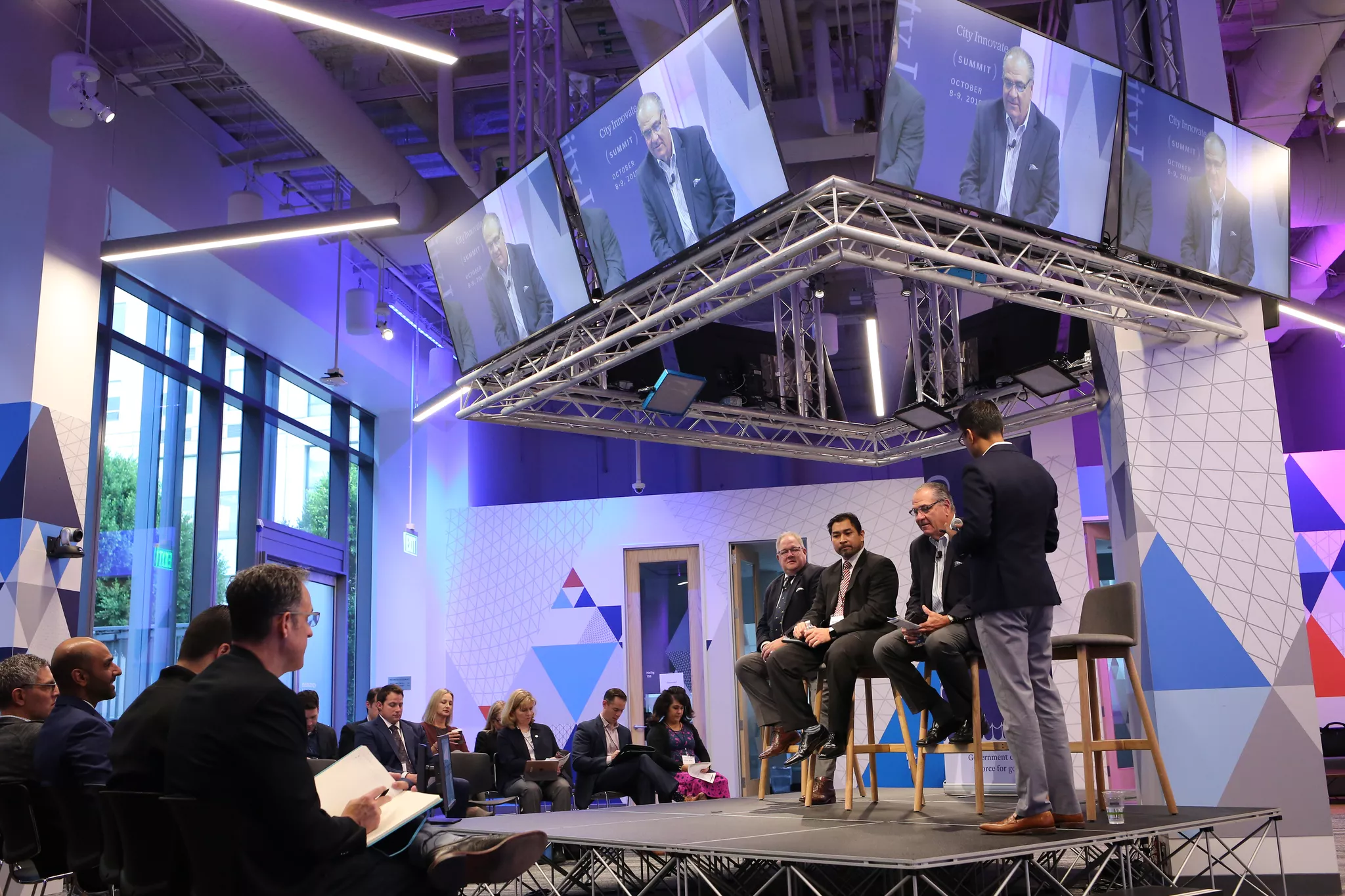
Booth activity with real people in frame. Not the empty build. Demos in progress, a rep mid-explanation, hands on a product, the crowd two-deep at 11am. Nielsen Norman Group's eyetracking research is blunt on why: users ignore stock photos of generic people and pay sustained attention to information-carrying images. Your booth photos compete against stock, so they should not look like it.
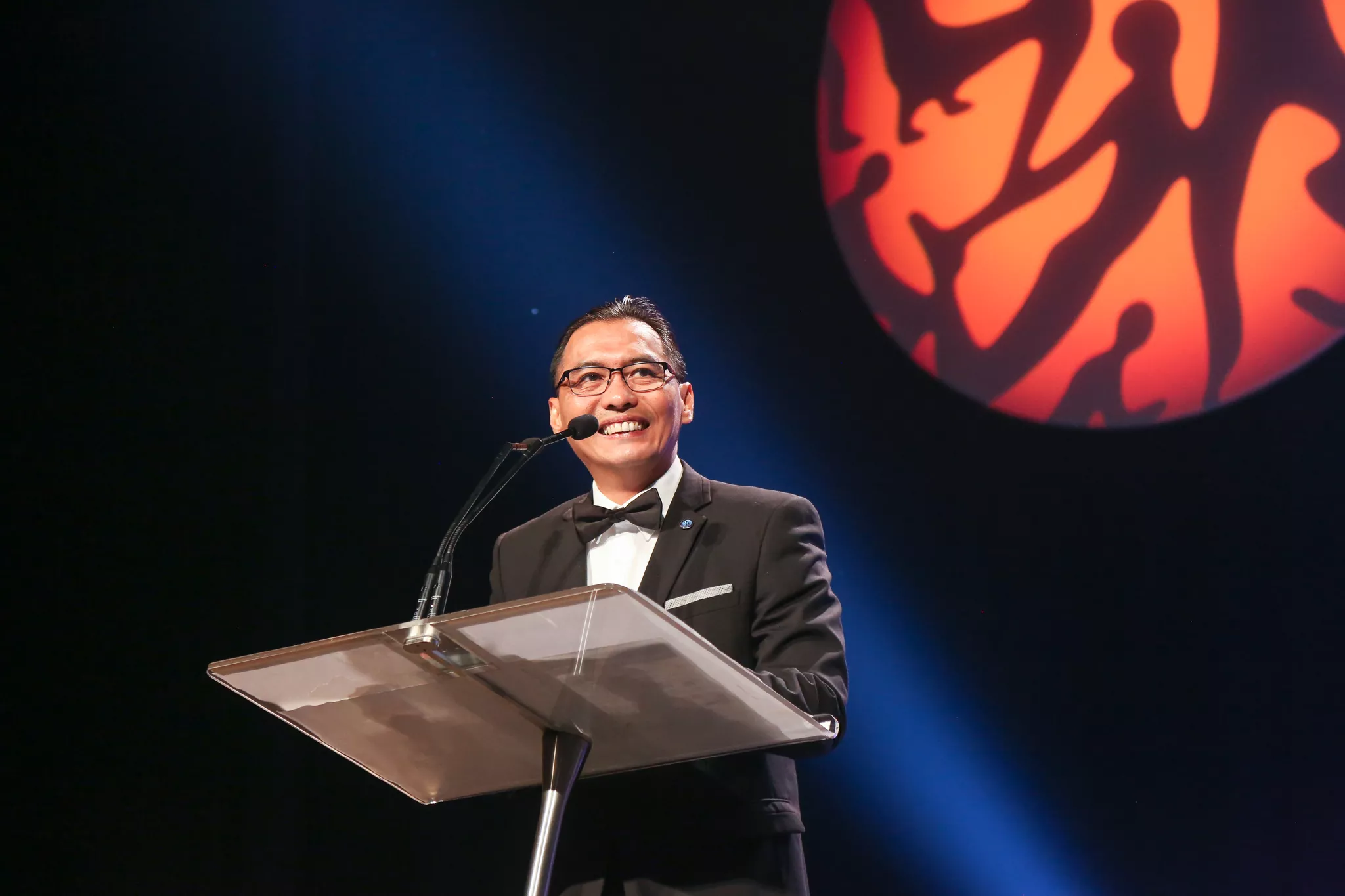
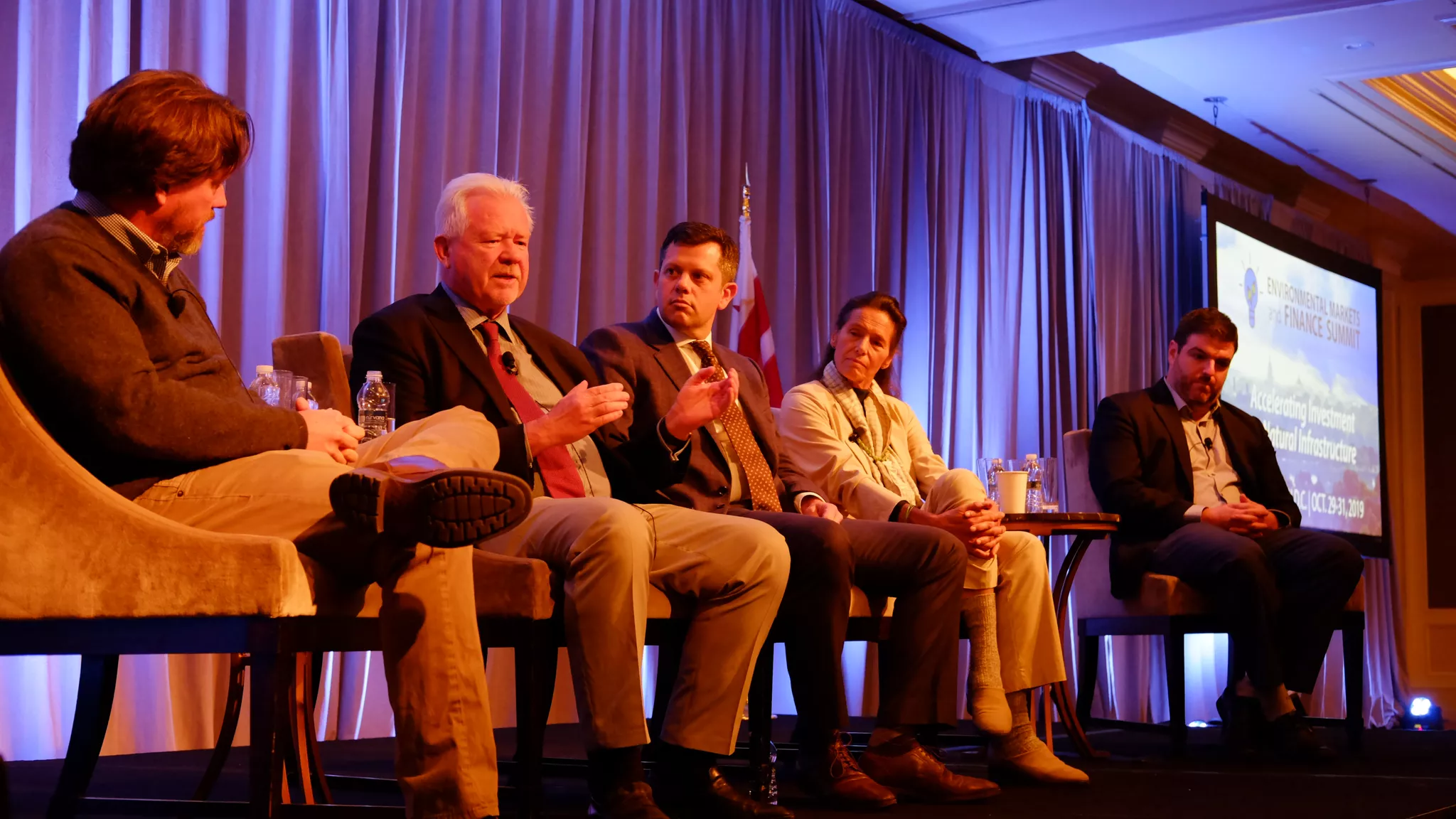
Session and stage coverage. Wide establishing frames for the recap, tight shots of your speaker with a readable audience behind them, and at least one usable vertical crop. Only about half of attendees participate in keynote sessions, per the same Freeman research, so the photo is how most of the audience experiences your talk.
Headshots, shot on site. Your leadership team is in one city wearing good clothes. This never happens again. A photographer with a lit corner of the booth can shoot twenty consistent portraits in ninety minutes, and those run on the website, in decks, and in every bylined article for two years.
Attendee and hallway moments. These are what make a recruiting page or next year's promo look like somewhere people want to be. As we cover in our guide to taking better event photographs, unposed frames almost always outperform arranged ones.
The shot list is the deliverable, not the photos
The gap between a good convention shoot and a wasted one is almost never the photographer's skill. It is that nobody told them which twelve images marketing needed by Monday.
Before the show, write down the placements: recap blog header, three LinkedIn carousel frames, the sales deck slide, the careers page refresh, next year's event landing page. Work back to the shots that fill them, hand the photographer the list on paper, and name one person reachable on the floor.
This is where returns compound. Bizzabo found 82% of organizers create video-on-demand content from their events, and the same logic applies to stills. Content Marketing Institute's survey of 1,015 B2B marketers found 33% planning to increase experiential investment in 2026, and among those measuring results, 51% reported shorter sales cycles. Imagery is what carries that spend into the other eleven months. Our piece on how top event managers get the best photos goes deeper on shoot day.
Booking coverage across a multi-city show calendar
One convention is a logistics problem. A dozen a year across different cities is an operations problem, and it is where in-house approaches break. A vetted photographer in Las Vegas, then Chicago, then Orlando means a new search, a new rate negotiation, and results that look nothing like the last city's.
This is the problem Snappr's business events coverage is built for. Shoots book in minutes rather than through a per-city search, guidelines are centralized so every event gallery looks consistent, and edited photos and video come back within days rather than weeks, which is still inside the window where an event recap has reach. Snappr powers visual content for 73% of the Fortune 500, so the multi-city calendar problem is a familiar one.
Booking event coverage should not feel like project management. Snappr Pro drops the service fee to 9% a shoot and keeps your guidelines and preferred photographers on file, which is most of the consistency problem solved. For a full multi-market program, book time with Snappr's enterprise team to map out your 2026 calendar.
Frequently asked questions
What does a convention photographer do?
A convention photographer covers a multi-day trade show or conference, shooting booth activity, speaker sessions, attendee interactions, and often on-site headshots. The work is briefed around specific marketing placements rather than general documentation, and delivery speed matters because event content loses reach fast.
How much does a convention photographer cost?
Rates vary by city, duration, and whether editing and rush delivery are included. Multi-day coverage is usually priced per day or half day, with on-site headshot sessions quoted separately. Booking through a platform with fixed rates removes the per-city negotiation on a multi-show calendar.
How many photographers do I need for a convention?
One covers a single booth and a few sessions comfortably. If you have concurrent speaking slots, a large activation, and a headshot station running at once, you need two. Decide by how many things happen simultaneously, not by the size of the show.
How far in advance should I book convention photography?
Two to four weeks is comfortable for major shows, since photographers in convention cities book out during peak weeks. Booking through a network rather than a single local shooter gives you more room for late additions and schedule changes.
What should I give the photographer before the show?
A written shot list tied to specific placements, your booth number and floor plan, the session schedule with speaker names, a named on-site contact, and any brand guidelines. The shot list matters most. It is the difference between 4,000 frames and the twelve images you will actually publish.
Sources
1. Bizzabo — The Events Industry's Top Marketing Statistics, Trends, and Benchmarks for 2026 — average B2B event attendance, 78% of organizers on in-person impact, 82% creating video-on-demand content
2. Freeman Trends Report via GlobeNewswire, April 2026 — 70% of attendees rank in-person events as primary learning channel; about half attend keynote sessions
3. Exhibitor Online — IAEE Releases 2026 CEIR Index Report — CEIR Total Index forecast to grow 2.1% in 2026
4. Nielsen Norman Group — Photos as Web Content — users ignore generic stock imagery and attend to information-carrying photos
5. Content Marketing Institute — B2B Content and Marketing Trends: Insights for 2026 — 1,015 B2B marketers surveyed; 33% increasing experiential investment; 51% of measurers saw shorter sales cycles


