
Most Conference Photos Get One Recap Post. The Best Ones Run For Twelve Months.
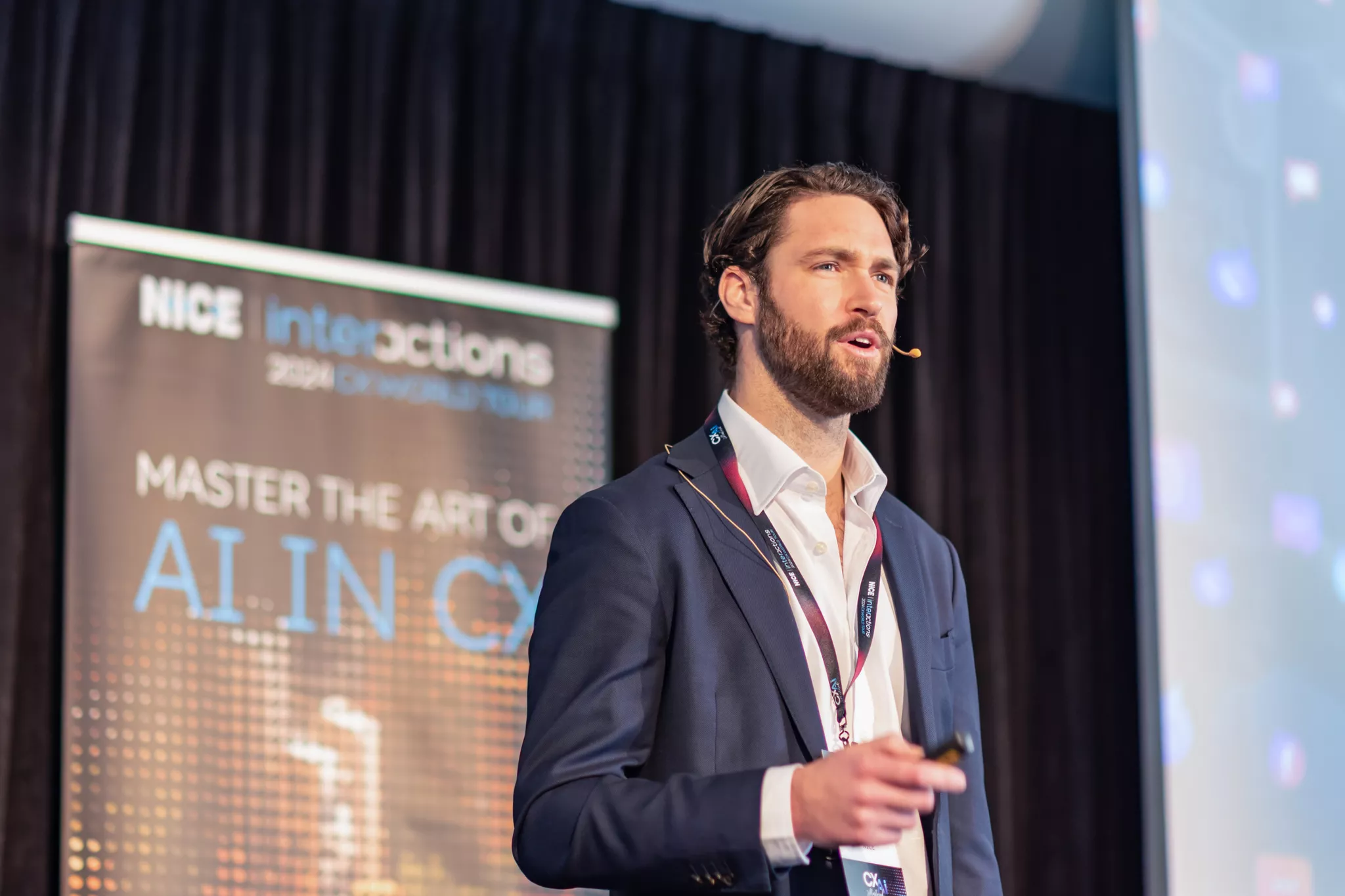
A B2B conference costs somewhere between $250,000 and several million dollars to produce. The keynotes, venue contracts, speaker fees, booth build, catering, and AV. After all of that, the photographer is often the last line in the budget and the first thing booked at the last minute. The result is what most marketing teams already have sitting in a shared drive: a folder of 600 acceptable photos that get used once in a recap email and never opened again.
That's a quiet failure. According to Bizzabo's 2026 State of Events Benchmark Report, 78% of organizers say in-person conferences, summits, and conventions are their organization's most impactful marketing channel. According to EventTrack 2026, 61% of consumers are more inclined to purchase after an event, and 85% of B2B attendees say they feel more educated after attending. The event is doing the work. The photography is what carries that work into the twelve months between events.
The checklist below is built for marketing teams and event managers who run B2B conferences, trade shows, summits, and exec gatherings. Use it once and the next event's photos earn back their own budget. Use it across a year and you stop paying for stock photography for every other campaign.
Why This Checklist Exists At All

The case for a serious corporate event photographer comes down to a single number. According to CEIR's Profiles of Attendees and Exhibitors study, 94% of trade show attendees have net buying influence within their organizations. The room your event filled is a room of decision-makers. The photographs are the only artifact of that room that survives past Friday afternoon.
The reuse case is just as concrete. Bizzabo found that 82% of organizers now produce video-on-demand content from their events, but the photographs typically outlast the video in usable lifespan: a single keynote portrait runs as an email header in March, a LinkedIn thought-leadership graphic in May, a speaker bio shot for next year's site in July, and a press image in October. Per Cvent's review of the Spiro Experiential Marketing Impact Report, 72% of CPG event attendees and 61% of tech event attendees post or share brand content after the event. Your photos seed that sharing.
The Corporate Event Photographer Checklist
Four phases. Each one has a small number of decisions that determine whether the photos work or sit unused.
Phase 1: Four to Six Weeks Out
This is where the photos are actually made or lost. Most teams skip this phase and brief the photographer two days before the event, which is why most event photo libraries look generic.
- Lock the shot list to the calendar. List every named output that needs a photograph in the twelve months after the event. Speaker headshots for next year's website. A hero image for the recap blog. Three press-ready images for the post-event PR push. A LinkedIn cover for the CMO. Sponsor-deck imagery for next year's sales pitch. The shot list is the brief.
- Decide your branding rules upfront. If your brand requires editorial reportage without logo blur, write that down. If you cannot show competitor branding in the background of any frame, write that down. The photographer cannot guess these the morning of.
- Right-size the coverage. A one-day single-track conference does not need three photographers. A two-day expo with breakout rooms and a sponsor floor often does. Budget for the right footprint, not the cheapest one.
- Confirm release language. Speakers, panelists, and named attendees should sign image-use releases that match the rights window your shot list assumes. A press-release image needs broader rights than an internal Slack post.
A short read on this phase: our piece on how top event managers get the best photos lays out the planning rhythm most experienced teams settle into after their first few events.
Phase 2: The Week of the Event
The week-of work is the brief made concrete. Three things to nail down:
- Walk the room with the photographer. If you cannot do it in person, send the run-of-show, the floor plan, and a list of the specific moments that matter. Mid-keynote applause, the sponsor logo wall, the demo booth at peak traffic, the executive panel during Q&A. Naming the moments is the difference between coverage and storytelling.
- Identify the VIPs. Photographers cannot photograph faces they do not recognize. Share a one-page sheet with names, titles, and a single reference image for each speaker, sponsor exec, and analyst in the room.
- Confirm same-day delivery for hero shots. The recap email goes out within 24 hours of the closing keynote in most B2B programs. The photographer needs to know which 8 to 12 frames must be edited and delivered that night, separate from the full gallery that arrives 48 to 72 hours later.
Phase 3: Day-of Capture
The day itself is where execution either follows the brief or quietly drifts. The shot list lives on a printed sheet in the photographer's bag and on a Slack channel for live requests.
- Cover the three modes. Stage shots that show speakers in their authority. Audience shots that show scale and engagement. Hallway shots that show the human side of the event. A library missing any of the three reads as incomplete six months later.
- Get the standing-ovation frame. The single most-used image from any conference is the wide-from-the-rear-of-room shot during the moment when the audience is on its feet. If you do not have it, the photographer was at lunch.
- Photograph the sponsor floor at peak traffic, not at setup. Empty trade show floors are useless for the sponsor recap deck. Coordinate the floor sweep to coincide with the post-keynote rush.
- Direct your speakers off-stage. A spare ten minutes between sessions yields the speaker portraits you will need to run a thought-leadership campaign in Q3. Tips on directing event subjects without making it feel like a photoshoot live in our piece on taking better event photographs.
Phase 4: Post-Event Delivery and Reuse
The photos are not finished when they hit the shared drive. They become finished when they are tagged, named, and routed into the systems that will actually use them.
- Tag at delivery, not later. Every image should arrive with a speaker name, a session name, a date, a venue, and an internal use-case tag (recap-email, press, social-static, social-video-still, sponsor-deck). Tagging at delivery costs the photographer a few hours. Tagging six months later costs a marketing coordinator a week.
- Pick the hero. Choose the single image that will run on the recap blog, the LinkedIn announcement, and the press email. Pick it the night of, while you still remember which frame felt most alive.
- Build the twelve-month plan now. Drop the photos into the campaign calendar the week the shoot lands. A speaker headshot for next year's site in October. A panel shot for a Q4 thought-leadership newsletter. A wide-shot for the next event's promo email. If you wait until you need the asset to dig through the gallery, you will reach for stock.
- Push to the asset systems. Photos should land in the brand DAM, the sales-enablement tool, and the marketing site's media library on the same day, in the same format.
Where In-House Event Coverage Breaks
A single team running one annual conference can stretch the above. Two events a year, still manageable. The math changes around four to six events a year, and it breaks somewhere around twelve.
By then, marketing teams are managing different photographers in different cities, no two of whom shoot to the same standard. They are chasing edits across timezones. They are re-licensing the same hero image three times because the original release language was narrower than the new use. They are paying for premium rush edits on every event because the in-house pipeline cannot keep up. And the asset library is a sprawl of unnamed JPEGs in folders titled "Summit_Final_FINAL_v2."
The work is not the photography. The work is the consistent, repeatable, brand-aligned coverage across a global event calendar. It is operations.
Running Event Photography As A Program, Not A Series Of One-Offs

This is the point where most enterprise marketing teams move event photography out of the individual-shoot model and into a managed program.
Snappr Enterprise is built for exactly this shape of problem. A single set of shoot guidelines (the brief, the shot list, the brand rules, the release language) gets defined once and applied automatically to every photographer at every event. The dashboard handles booking, briefing, edit turnaround, tagging, and delivery into your existing brand DAM through API. When a marketing manager kicks off a new event city in Q3, they pick a date and a venue. The photographer is auto-assigned, the brief is auto-applied, the deliverables are auto-routed. The team running the event series no longer needs a photo-ops person.
A reasonable test for whether you need a program rather than a series of one-offs: count the photographers your team briefed last year, count the cities they shot in, and count the days you spent reviewing edits. If any of those numbers is in double digits, you are running a program by accident. It deserves a system.
Snappr's enterprise platform is already running event photography programs for Fortune 500 marketing teams across business events, conferences, and exec gatherings. The work that used to live in a shared inbox lives in a workflow.
Talk to Snappr about your event photography program
If your team runs more than four corporate events a year, the cost of inconsistent coverage compounds faster than most marketing leaders track. Book time with Snappr's enterprise team for an assessment of your event photography program: what's working, where the leakage is, and what a managed setup would unlock across the next twelve months of events.
Frequently asked questions
What does a corporate event photographer cost?
A full-day corporate event photographer in a major US market typically runs $1,500 to $4,000 depending on coverage hours, deliverable turnaround, and edit volume. Multi-photographer days, expedited same-day edits, and broader image-use rights add to the base rate. For enterprise event programs, per-event pricing is usually replaced by a negotiated contract rate that covers all of your events over a period of time.
How early should we book a conference photographer?
Four to six weeks out is the planning window where a corporate event photographer can do their best work, because that's enough lead time to scout the venue, align on the shot list, and lock in same-day delivery for hero images. Booking under two weeks out is workable but typically forces the photographer to shoot generically rather than to the brief.
How many photos should we expect from a one-day conference?
A one-day single-photographer conference typically delivers 400 to 800 final, edited frames, with 8 to 15 of those flagged as "hero" usable across press, recap email, and social. Multi-photographer days scale proportionally. A common mistake is asking for more total frames; the better ask is for more hero-tier frames, since those are the ones that actually run.
What's the difference between a trade show photographer and a conference photographer?
A trade show photographer's brief leans toward booth coverage, sponsor activations, and floor energy. A conference photographer's brief leans toward keynotes, panels, and audience reaction. Most corporate event photographers shoot both, but the shot lists are different and worth writing separately.
Can we use AI-generated images for our event recap instead?
For headshots, hero photos, and any image where authenticity matters (press, speaker bios, sponsor decks), AI-generated images are still the wrong choice for a B2B event in 2026. AI is useful for filling in catalog or product imagery where the subject is generic; the value of conference photography is precisely that the room, the speakers, and the moment are not generic.


