
Why editorial imagery does the work advertising can't
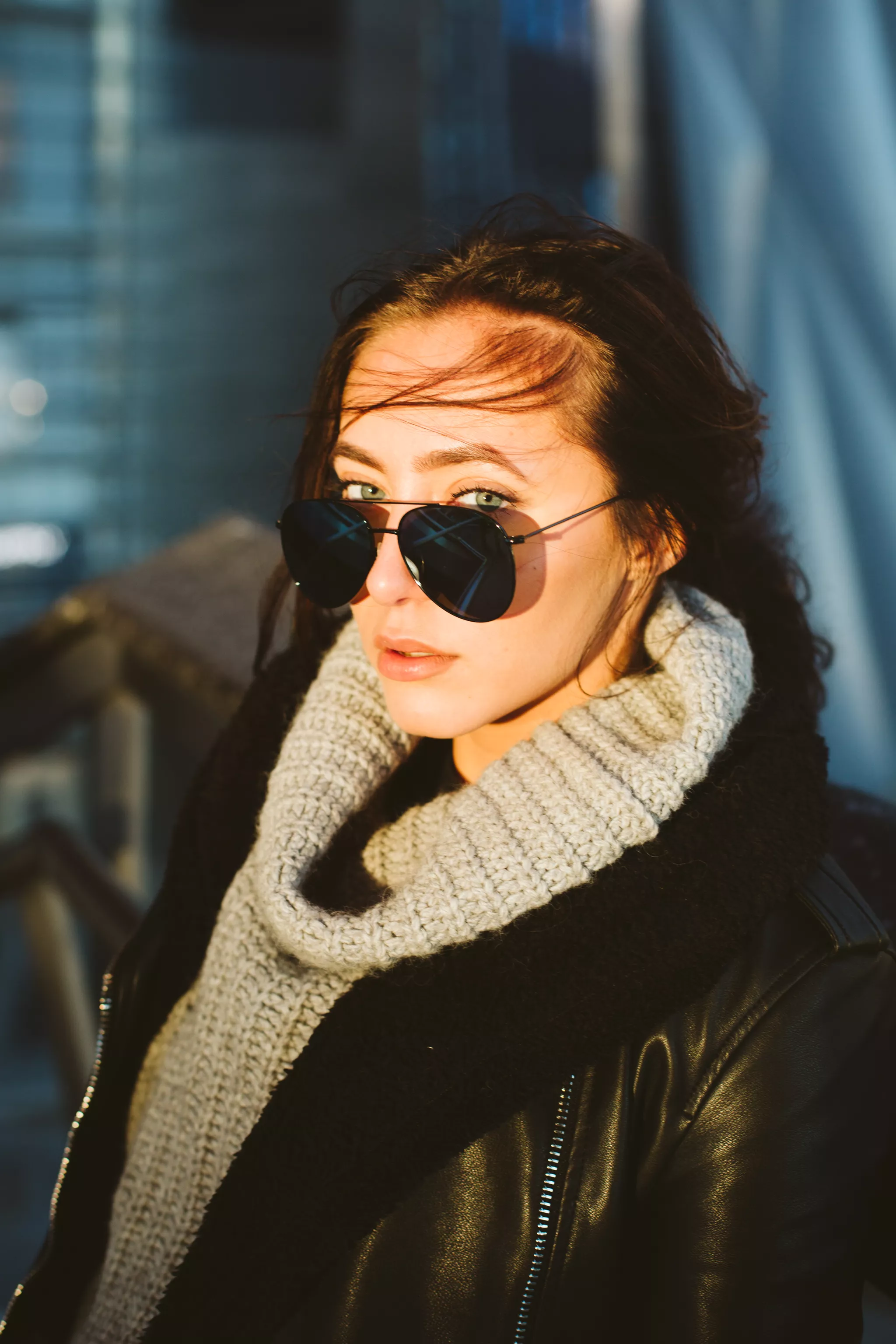
Open any magazine profile, conference recap, or brand newsroom and look at the lead image before you read a word. It sets the mood, tells you who the subject is, and decides whether you keep reading. That image is doing a specific job, and it is a different job than an ad. An advertisement wants you to buy. An editorial photograph wants you to believe, to feel, and to keep reading. Audiences can tell the difference instantly, and they reward the second one with their attention.
That distinction is the whole discipline. Editorial photography is image-making created to illustrate a story or concept rather than to sell a product, and it lives in magazines, newspapers, online publications, and increasingly the content brands publish themselves. MasterClass describes editorial work as the field where the photographer has the most creative freedom to tell a story, in contrast to commercial work that must follow a brand's direction. StudioBinder puts it similarly: the motive is not to sell but to express and engage.
For photographers, editorial has always been a craft. For brands, media companies, and marketplaces, it has quietly become a growth channel. This guide covers both sides: what editorial photography is and how it is made, and how organizations commission it at scale to build the kind of credibility a banner ad never earns.
What editorial photography actually is
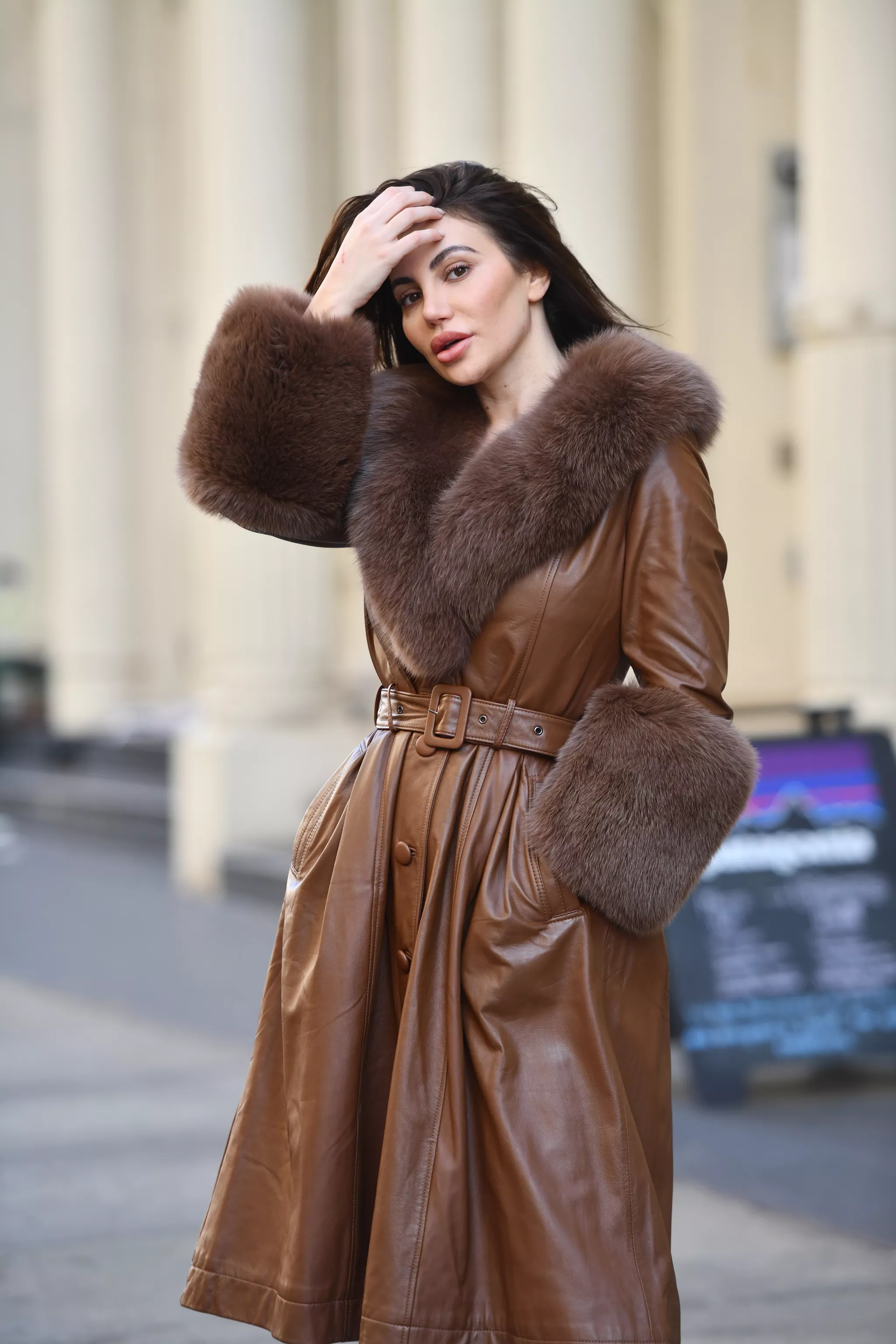
Editorial photography is the images that run alongside text in a publication, made to support a narrative and set a tone. Format's guide defines it as photography rooted in journalism and fashion: the pictures you see beside a magazine feature, a newspaper story, or an online article. The photographer might shoot a restaurant interior for a review, portraits for a founder profile, or the floor of a conference for an event recap. The subject changes; the intent stays constant, which is to help the reader understand and feel the story.
Editorial versus commercial photography
The cleanest way to understand editorial is to hold it against commercial photography. Commercial images exist to move product: they run in ad campaigns, on packaging, and across sales pages, and they answer to a brand. Editorial images exist to carry a story, and they answer to an editor and a reader. 500px frames the split around use and permissions: commercial images promote a product and require signed model and property releases, while editorial images document real people and places to illustrate a story and run without those releases, for journalistic or informational use only.
The practical line between them is licensing. As Format explains, an image shot without model or property releases can only be used editorially, to illustrate a story. The moment a brand wants to use that same image to sell something, it needs releases and a commercial license. That single distinction drives most of the rules, rates, and rights discussed later in this guide.
Editorial versus photojournalism
Editorial photography borrows the look of journalism but not its rules. Format notes that photojournalism is held to strict standards on staging and post-processing, because it documents events as they happened. Editorial photography is more subjective: the photographer can compose, style, and light a scene to serve the story. A conference recap shot editorially can arrange a clean, flattering frame of a keynote; a news wire shooting the same moment cannot. Both are honest, but only one is allowed to art-direct.
The main styles of editorial photography
Editorial is a family of styles, not a single look. Most commissioned work falls into a handful of categories.
Fashion editorial is the most recognizable. As Format notes, fashion editorials often stand on their own as multi-page magazine spreads, conveying style and emotion with little or no text, and the photographer works closely with stylists to build the story.
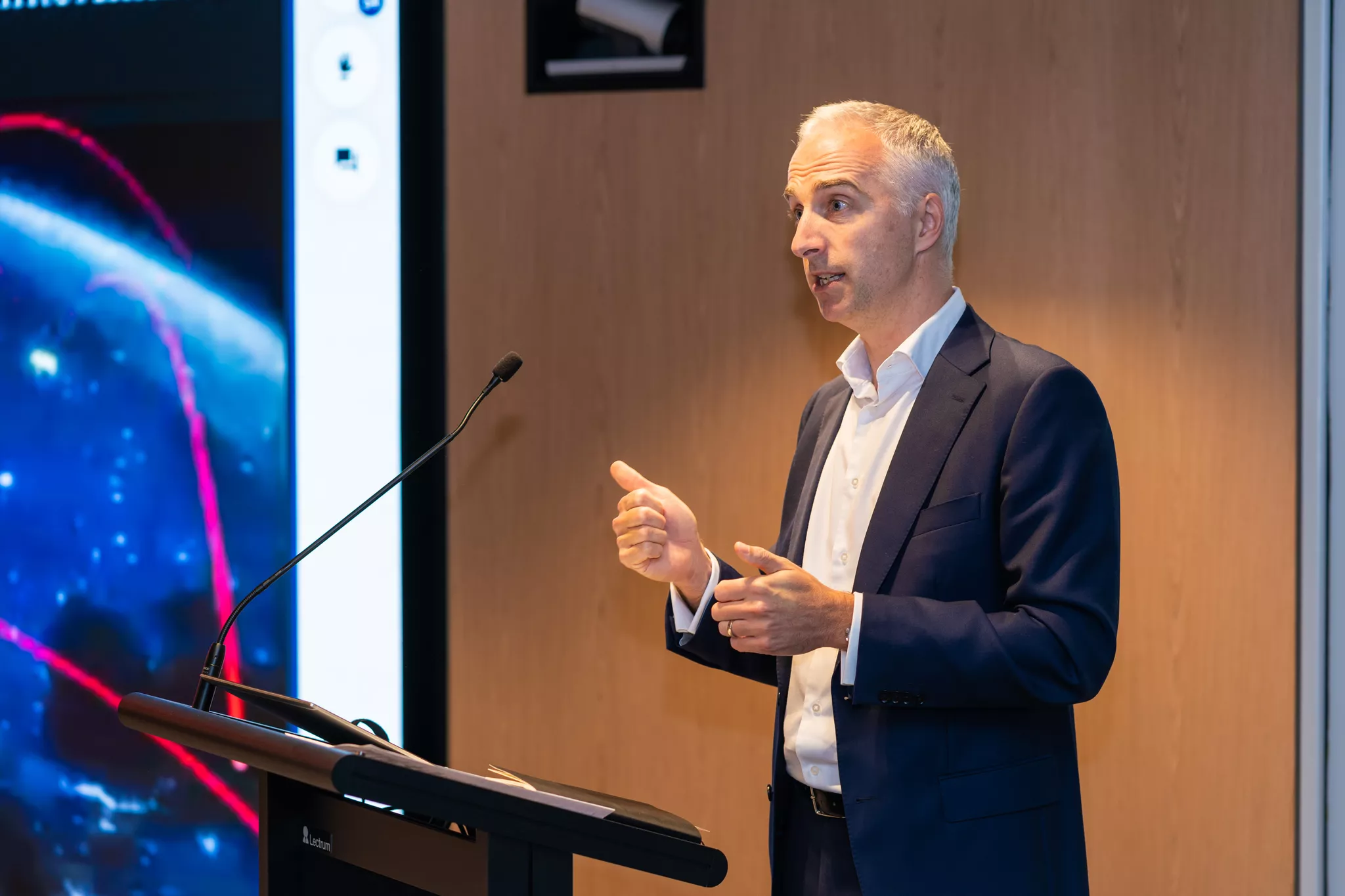
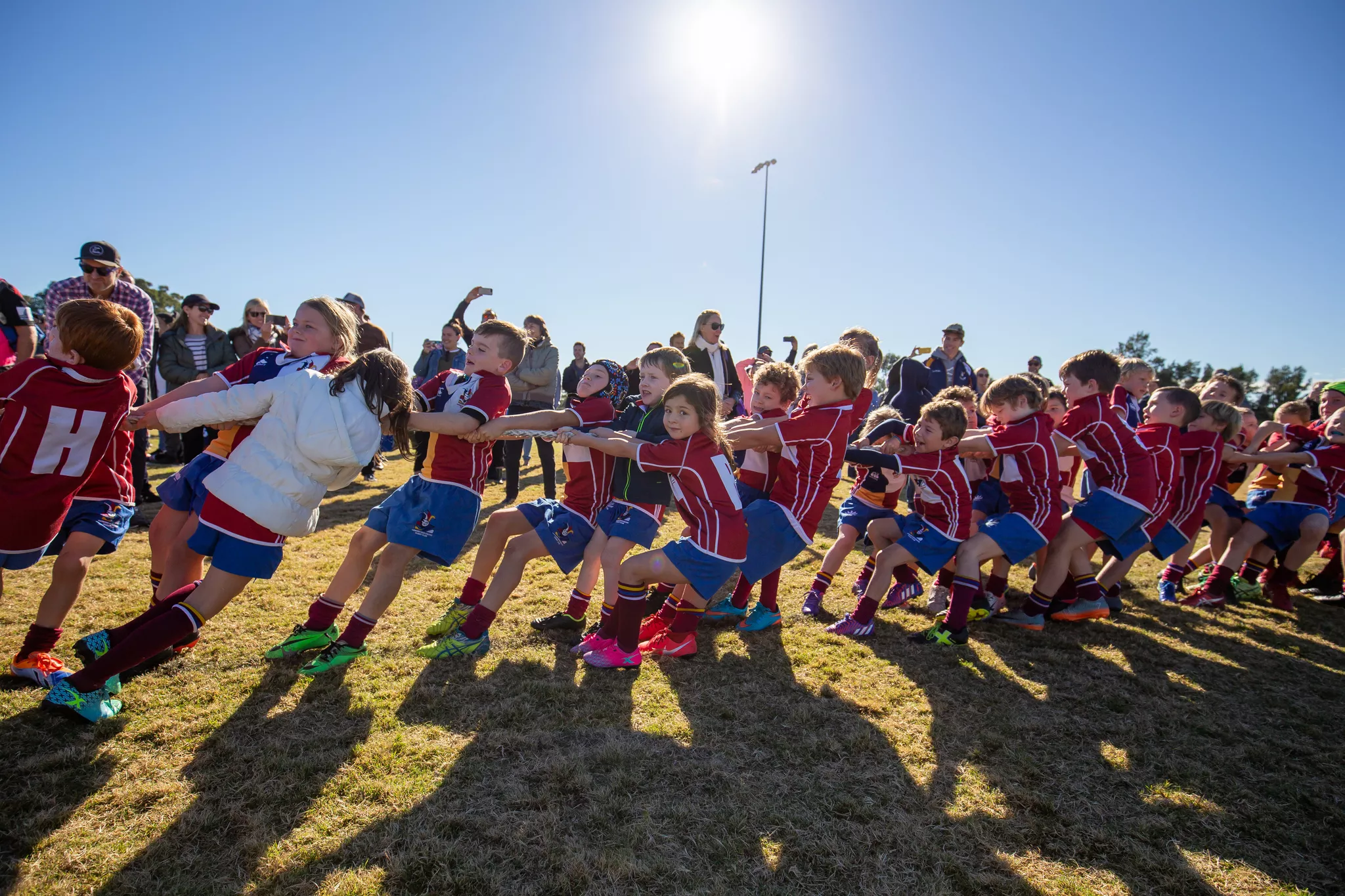
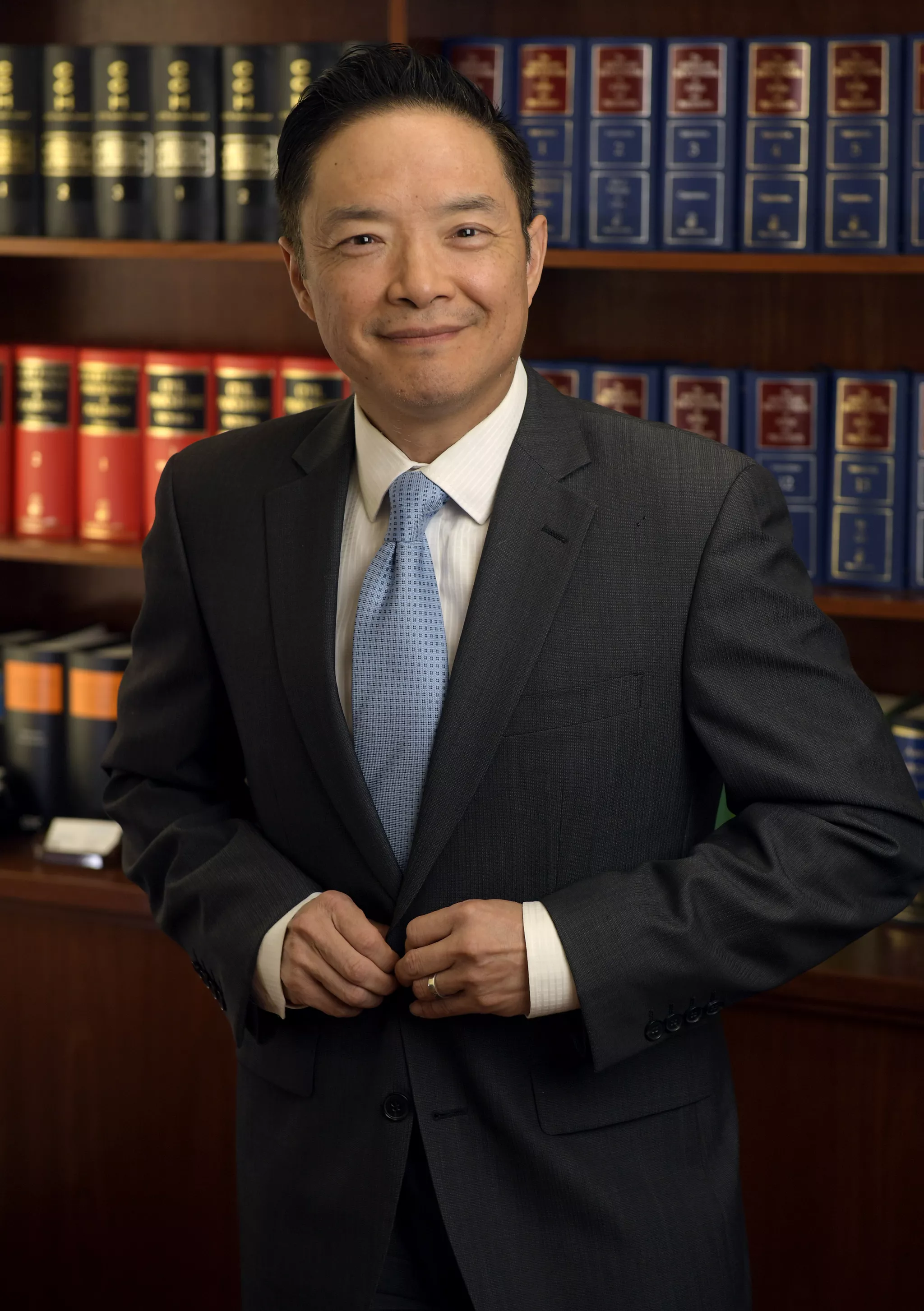
Portrait editorial captures a person's character for a profile or feature, the founder shot that has to say "visionary" without a caption. Lifestyle editorial places real people in real situations, styled to feel candid rather than staged. Still-life and food editorial arrange objects and dishes to illustrate a concept, the workhorse of magazine features and brand blogs. Event and conference editorial documents a live moment, a product launch or a summit, as a narrative gallery rather than a grab-bag of snapshots. This last category is where a lot of modern brand demand sits, and it overlaps with what strong event photography has always done well.
The business case: why brands commission editorial photography
Here is where most guides stop and this one keeps going. Editorial photography is no longer just a service publishers buy. It is a tool brands, platforms, and marketplaces use to earn trust, and trust is measurable.
Start with trust. Nosto's Stackla consumer research found that 90% of consumers say authenticity is important when they decide which brands to support, and that audiences rate polished, brand-made content as less authentic than imagery that looks real. Editorial photography lives on exactly that quality: it reads as observed rather than staged, which is why a reported-looking founder portrait or event gallery lands where a glossy ad bounces off. Audiences have learned to tune out the obviously commercial.
That trust converts. Snappr's own analysis found that replacing stock photos with professional images can increase leads by 45%, and that high-quality visuals drive materially more engagement than generic ones, which is why marketing agencies lean on original photography to lift client campaigns. The broader point is the one Snappr makes across verticals: professional photography is essential for nearly every business, because visual content is a revenue driver rather than a decoration. Editorial is the flavor of that content built specifically to earn belief rather than to demand a click.
How editorial photography gets made
Great editorial looks effortless and is anything but. The work happens before the shutter clicks.
It starts with a story and a brief
Every editorial shoot begins with a narrative. StudioBinder frames the first step as deciding the story you want to tell, then building everything else around it. On commissioned work, that story arrives as a creative brief. Format describes the brief as the editor's outline of the feature, specific enough to keep the shoot on track but open enough to leave the photographer room to interpret. The photographer's job is to hit the brief and bring a point of view.
Mood, styling, and location
With the story set, the photographer builds a mood board, casts subjects or models, and decides between a controlled studio and a real location. Styling carries a heavy load here: wardrobe, set dressing, and props all encode meaning, and StudioBinder treats styling as a core storytelling tool rather than a finishing touch. A founder photographed in a working warehouse tells a different story than the same founder against a seamless backdrop, and the choice is deliberate.
Shoot, then edit
On the day, preparation pays off and the photographer directs. Afterward comes post-production. As Format bluntly puts it, you never hand a client raw files: color, tone, and retouching are part of the editorial look, not optional extras. For a founder profile the retouching is subtle; for a fashion spread it can be extensive. Either way the edit is where the mood is finished.
Rights, licensing, and what editorial photography costs
Editorial pricing runs on a different logic than commercial pricing, and the difference is usage.
Because editorial images carry narrow usage rights, they are priced well below advertising work. The American Society of Media Photographers frames professional pricing around a creative fee or day rate plus usage fees, with how, where, and how long an image runs driving the final number. Format's guide reflects this at the assignment level: a major magazine might pay $500 to $1,500 for a series of editorial photos, and the average editorial photographer salary sits around $47,000 according to PayScale figures Format cites, lower than commercial specialties because editorial rights are limited by design.
The rights themselves are the reason. Editorial licenses cover use inside a story. Commercial use of the same frame, to sell or endorse a product, requires model and property releases and a separate, pricier license. For brands commissioning their own editorial content, the cleanest path is to license broadly and secure releases up front, so a strong image can move from a blog feature to a paid campaign without a legal scramble later.
Editorial photography for brands that act like publishers
The biggest shift of the last few years is that brands stopped only buying ads and started publishing. Company newsrooms, founder profiles, event recaps, and thought-leadership features all need editorial imagery, and they need it to look like a magazine made it, not a marketing team.
Snappr's own newsroom is a working example of this in action: editorial coverage of events in San Francisco, California like the AI Engineer World's Fair, Figma's Config launch, and deep-tech summits, shot as narrative galleries rather than snapshots. That is editorial photography doing brand work, telling the story of an event so the people who could not attend still feel its energy. The same instinct powers coverage across business events and the news and media work that publishers and platforms rely on.
For marketplaces and platforms, the stakes are higher still. Snappr has documented how great marketplaces depend on professional photography to build seller and buyer trust at scale. Editorial content is how those platforms tell their own story to the market, in blog features, investor updates, and launch coverage.
AI and the editorial workflow
Editorial is the one photography discipline where the human eye is hardest to automate, because the value is judgment: which moment, which expression, which frame carries the story. AI does not replace that. Where it earns its place is the workflow around the shoot.
AI-assisted editing now handles the repetitive back end, culling thousands of event frames to the strongest few, matching color and tone across a gallery, and cleaning up distractions, so a human editor spends time on judgment rather than mechanics. Snappr's approach pairs AI photo editing with human quality control, which is the right division of labor for editorial: machines accelerate turnaround, people protect the story. The result is conference coverage delivered in hours instead of days, without the flat, generic look that fully automated pipelines produce.
Scaling editorial photography across markets and events
A single editorial shoot is a craft problem. Fifty shoots across twelve cities on a publishing calendar is an operations problem, and it is where in-house teams break down. You cannot keep one staff photographer on call in every market, and stringing together freelancers city by city means renegotiating rates, style, and reliability every time.
This is the gap Snappr closes. As the largest on-demand photographer network, Snappr covers 95% of the United States and 90% of the English-speaking world, with vetted photographers bookable in about two minutes on 24-hour notice. Shoot guidelines are written once and applied to every booking, so a product launch shot in Austin and a summit shot in London come back looking like the same publication produced them. That consistency is the hard part of editorial at scale, and it is why more than half of the Fortune 500 have used Snappr. For a founder-profile series or a headshot refresh across a leadership team, the same network powers consistent business portraits in every office.
The 2026 outlook for editorial photography
Three shifts are reshaping the field. First, brands are becoming their own publishers, moving editorial budgets in-house and commissioning original coverage instead of licensing stock. Second, audiences are getting sharper at spotting generic imagery, which pushes the premium toward authentic, reported-looking editorial and away from the polished-but-empty. Third, speed expectations have collapsed: an event recap that once shipped the following week is now expected the same day, which rewards networks and workflows built for turnaround over lone freelancers.
The throughline is that editorial photography is becoming more valuable to brands precisely as it becomes harder to fake. The organizations that win will treat it as an always-on capability rather than a one-off purchase.
See editorial photography in the field
The fastest way to understand what modern editorial coverage looks like is to see it. Browse Snappr's newsroom for editorial galleries from real conferences and product launches, then, when you are ready to commission coverage of your own events or build an in-house editorial pipeline, talk to Snappr's enterprise team about running it at scale.
Frequently Asked Questions
What is editorial photography?
Editorial photography is image-making created to illustrate or support a story in a publication, such as a magazine, newspaper, online article, or brand newsroom. Its purpose is to inform, express, and engage rather than to sell a product directly, which distinguishes it from commercial and advertising photography.
What is the difference between editorial and commercial photography?
Commercial photography is made to sell a product or brand and is tightly art-directed by the client, while editorial photography is made to tell a story and gives the photographer more creative freedom. The practical difference is licensing: editorial images can run inside a story without model releases, but using them to sell something requires releases and a commercial license.
How much does editorial photography cost?
Editorial rates are lower than commercial rates because editorial usage rights are narrow. A magazine may pay a few hundred to around $1,500 for a photo series, and editorial photographers earn roughly $47,000 a year on average per PayScale figures. Brands commissioning their own editorial content typically pay a day rate plus a usage fee and should license broadly if the images may later support marketing.
What are the main types of editorial photography?
The most common styles are fashion editorial, portrait editorial, lifestyle editorial, still-life and food editorial, and event or conference editorial. Each supports a story: fashion spreads convey style with little text, portraits capture a subject's character, and event editorial documents a live moment as a narrative gallery.
Is editorial photography the same as photojournalism?
No. Photojournalism follows strict rules on staging and post-processing because it documents events as they happened, while editorial photography is more subjective and allows the photographer to compose, style, and light a scene to serve the story. Editorial can art-direct a scene; photojournalism cannot.
How do brands use editorial photography?
Brands use editorial photography for company newsrooms, event and product-launch coverage, founder profiles, and thought-leadership content, publishing original imagery that reads like a magazine made it. Done consistently across markets, it builds credibility and trust that advertising alone cannot buy.
Sources
1. MasterClass — editorial vs commercial photography and creative freedom
2. StudioBinder — editorial photography definition and shoot process
3. Format — editorial photography definition, fashion editorial, licensing, rates, and photographer income
4. 500px — editorial vs commercial use and model/property releases
5. Nosto / Stackla consumer content report — 90% of consumers say authenticity matters in choosing brands


