
Four ways to shoot the same shirt, four different sales results
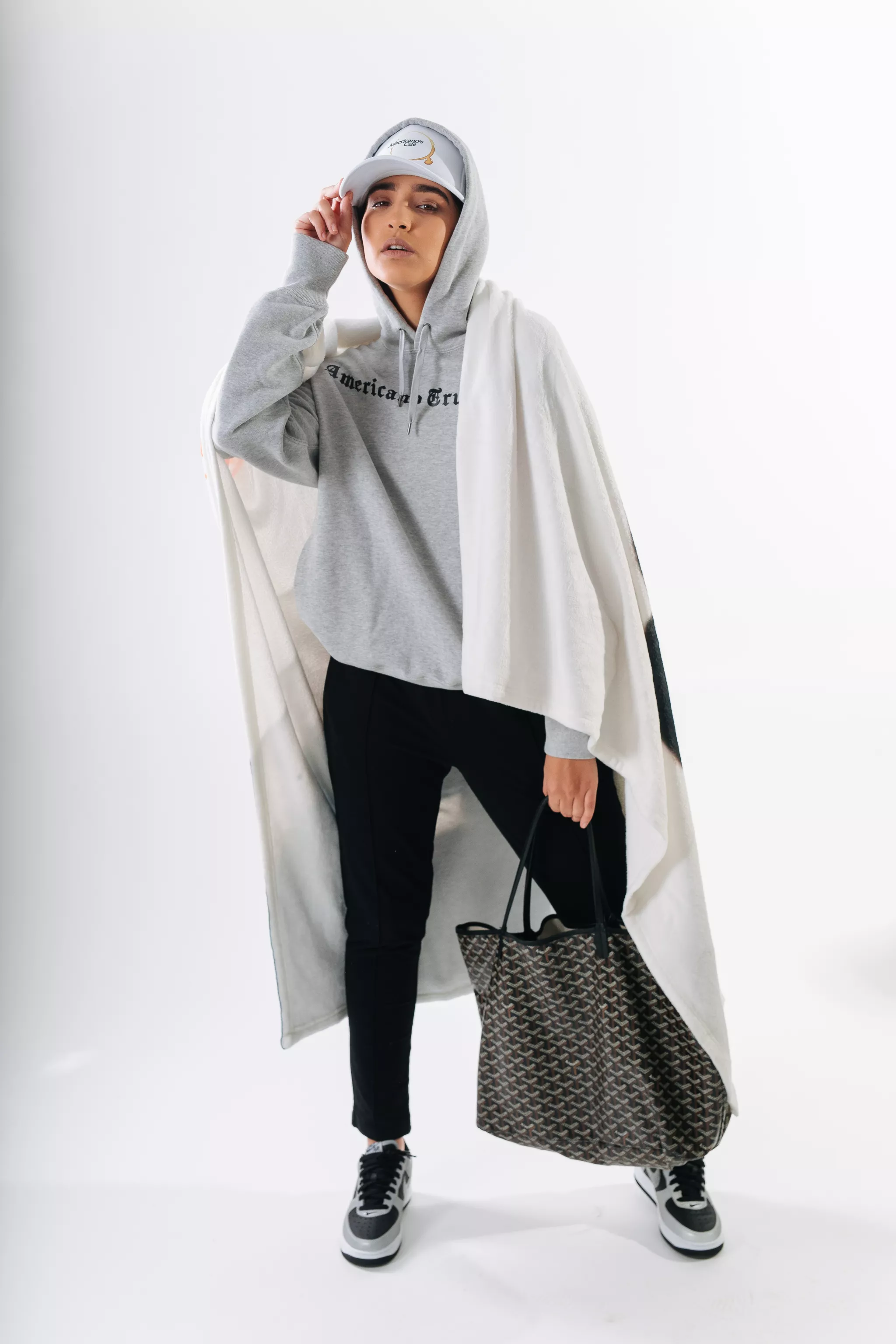
A customer scrolling a product page never touches the fabric, checks the seams, or tries it on. The photograph does all of that work for them. Get it right and the garment sells itself. Get it wrong and it comes back.
Clothing is already the single most returned category online. Statista's Consumer Insights survey found that 25% of U.S. shoppers had returned clothing bought online in the past year, more than any other category. A big share of those returns trace back to one thing: the item didn't look like the photo. When the image sets an honest, detailed expectation, fewer boxes come back.
That is why the type of apparel photography you choose matters as much as the photographer you hire. Research from Tilburg University shows product images actively shape how buyers judge quality before they ever add to cart. Here is what each of the four main apparel photography services actually does, and when to use it.
The flat lay

Flat lay photography shoots the garment laid flat, styled from directly overhead. It is fast, clean, and cheap to produce at volume, which makes it the workhorse of catalog and marketplace listings.
Flat lays work best for pieces where the shape reads clearly on a flat surface: t-shirts, knitwear, denim, accessories, kids' clothing. Styled well, with steamed fabric and consistent framing, a flat lay signals a tidy, trustworthy catalog. Styled badly, with wrinkles and crooked angles, it signals the opposite. This is also the category where competitors have a head start, so a sharp, consistent flat lay library is an easy way to stand out.
The limit of the flat lay is fit. It shows what a garment is, not how it hangs on a body, so it rarely carries a hero image on its own.
The ghost mannequin
Ghost mannequin photography (also called invisible mannequin or hollow-man) shoots the garment on a mannequin, then edits the mannequin out so the clothing appears to hold a 3D shape on its own. You see the collar, the drape, the way a jacket sits at the shoulder, without a model or a visible form.
This is the sweet spot for apparel that needs to show structure but stays brand-neutral: button-downs, outerwear, tailored pieces, uniforms. It gives dimension a flat lay can't while keeping the focus entirely on the product. The tradeoff is production: it requires careful shooting and skilled post-production to composite the front and interior cleanly, which is why it costs more per shot than a flat lay.
The on-model shot
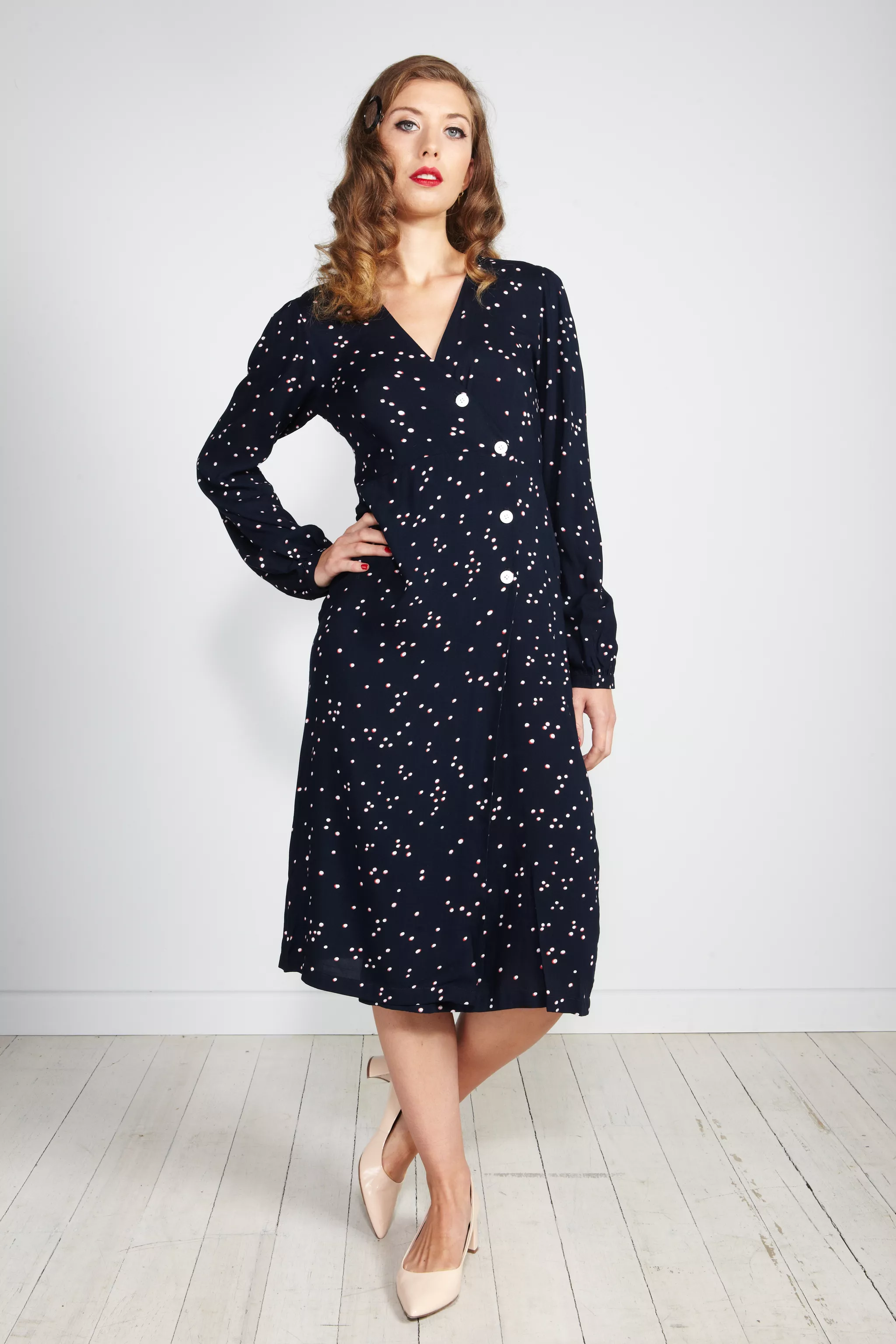
On-model photography puts the garment on a real person. It is the most persuasive format because it answers the question every apparel shopper is silently asking: what will this look like on someone? Fit, movement, proportion, and styling all become visible at once.
The payoff shows up in confidence. Search Engine Journal, citing eMarketer data, reported that 62% of consumers are more likely to buy a product when they can see real photos of it rather than a shot in isolation. On-model taps the same instinct: seeing a garment worn on a body is what lets a shopper judge fit, and it is the format most likely to head off appearance-mismatch returns.
The cost is real: models, styling, hair and makeup, location or studio time, and scheduling. That is why most brands reserve on-model for hero products and lean on flat lay or ghost mannequin for the long tail.
The 360-degree spin
A 360 shot captures the garment from every angle in a single interactive frame the shopper can rotate. It is the closest thing to picking the item up in a store. For premium pieces, footwear, and bags where construction and detail justify the price, a 360 removes doubt that a single static frame leaves behind.
It is the most production-heavy of the four, so it earns its place on flagship products rather than every SKU.
Matching the service to the product
There is no single best apparel photography service. There is the right one for each garment. A working catalog usually blends all four: flat lay for volume, ghost mannequin for structured pieces, on-model for heroes and category pages, and 360 for premium items. Consistency across the mix matters more than any single frame, because a shopper judges your whole store by whether the images look like they belong together.
The operational problem is doing that consistently. Poor or mismatched photos don't just lose a sale; they invite returns, and Snappr has written before about return rates and the real cost of bad photos. The same investment works the other way, too: professional product imagery can lift conversions by up to 90% when it is done well and applied across the catalog.
Where Snappr fits
Booking a different specialist for flat lay, ghost mannequin, on-model, and 360, then holding them all to one visual standard, is the part that breaks down at scale. Snappr runs the largest on-demand photographer network in the world, with coverage across 95% of the U.S., so a brand can book any apparel format on 24-hour notice and apply the same shoot guidelines to every order automatically. Photos come back professionally edited, and Snappr's own team handles quality control, so a 5,000-SKU catalog looks like one brand shot it, not fifty freelancers. For teams scaling clothing catalogs, our e-commerce and fashion solutions are built for exactly this.
Ready to standardize your apparel photography across every product? Talk to Snappr's enterprise team about a catalog assessment.
Frequently Asked Questions
What are the main types of apparel photography services?
The four most common apparel photography services are flat lay (garment shot flat from overhead), ghost mannequin (shot on a mannequin that is edited out to show 3D shape), on-model (worn by a real person), and 360-degree (an interactive rotating view). Most catalogs use a blend of all four.
Which apparel photography service is best for ecommerce?
There is no single best option. Flat lay is most cost-effective for high-volume listings, ghost mannequin shows structure for tailored pieces, and on-model is the most persuasive for hero products because it shows fit. Most successful stores combine them and keep the styling consistent across the catalog.
How does apparel photography reduce returns?
Clothing is the most returned online category, and many returns happen because the item looked different from the photo. Accurate, detailed apparel photography, especially on-model and ghost mannequin shots that show fit and structure, sets honest expectations, so fewer customers are surprised when the package arrives.
How much do apparel photography services cost?
Cost varies by format: flat lay is the cheapest per shot, ghost mannequin costs more because of post-production, and on-model and 360 cost the most because of models, styling, and studio time. Booking through an on-demand network keeps per-shot pricing predictable across large catalogs.
Sources
1. Statista Consumer Insights — clothing is the most returned online purchase category (25%)
2. Tilburg University — how product images influence online purchase decisions
3. Search Engine Journal — 62% of consumers say photos influence purchase decisions


