
The photoshoot that produced 40 headshots and nothing else

You booked a photographer for a day. Everyone wore something reasonable. Forty people rotated through a corner of the office against a grey backdrop, there was an awkward group shot in the parking lot at 4pm, and the gallery arrived a week later.
Six months on, the headshots are on the team page. Everything else on the site is still stock: the smiling woman at a laptop, the diverse team high-fiving in a conference room nobody works in, the handshake. Your careers page uses a photo of a building that is not your building.
This is the standard outcome, and it is expensive twice. You paid for a shoot day and still pay for stock, and the parts of your brand doing the most persuading are running on images that belong to eleven of your competitors.
The stakes have moved. Gartner's survey of 646 B2B buyers found 67% now prefer a rep-free buying experience. Most of the people evaluating you will form a view of your company without a single conversation. What they look at instead is your site, and Nielsen Norman Group's eyetracking work found users ignore stock photos of generic people while giving real portraits sustained attention. In one study, users spent 10% more time looking at portrait photos than reading the biographies beside them.
Stock does not just underperform. It gets skipped entirely.
What a company photoshoot should produce beyond headshots

Headshots are the easy part and the smallest part. A day of shooting should fill five buckets.
Individual portraits, consistently lit. One background treatment, one lighting setup, one crop standard, so a leadership page does not look like six different photographers shot it across four years. This is also the shoot where you replace the CEO photo from 2019.
The work actually happening. Engineers at whiteboards, the support team on calls, the warehouse floor mid-shift, hands on whatever your company makes. These are the images that fill product pages, case studies, and every deck slide that currently has a stock photo on it. Brief them as reportage, not as posed recreations.
The space. Wide environmental frames of your office, floor, lab, or facility, shot with people in them. Empty-room architectural shots look like a real estate listing and get used once.
Small-group and candid frames. Two or three people in conversation, a standup, a team lunch. These carry the careers page. Job seekers are doing homework before they apply: Glassdoor's research with Harris Poll found 83% of job seekers are likely to research company reviews and ratings when deciding where to apply, and Glassdoor's internal data shows candidates who view a company's brand ten or more times are seven times more likely to apply. Every one of those views is a chance to look like a real place.
Vertical crops of everything. Half your imagery ends up on LinkedIn, in stories, or in a mobile hero. Ask for it during the shoot, not after.
Our piece on why your team photos can make or break your company image covers the brand side of this in more depth.
Photograph the people, because they are the trusted voice
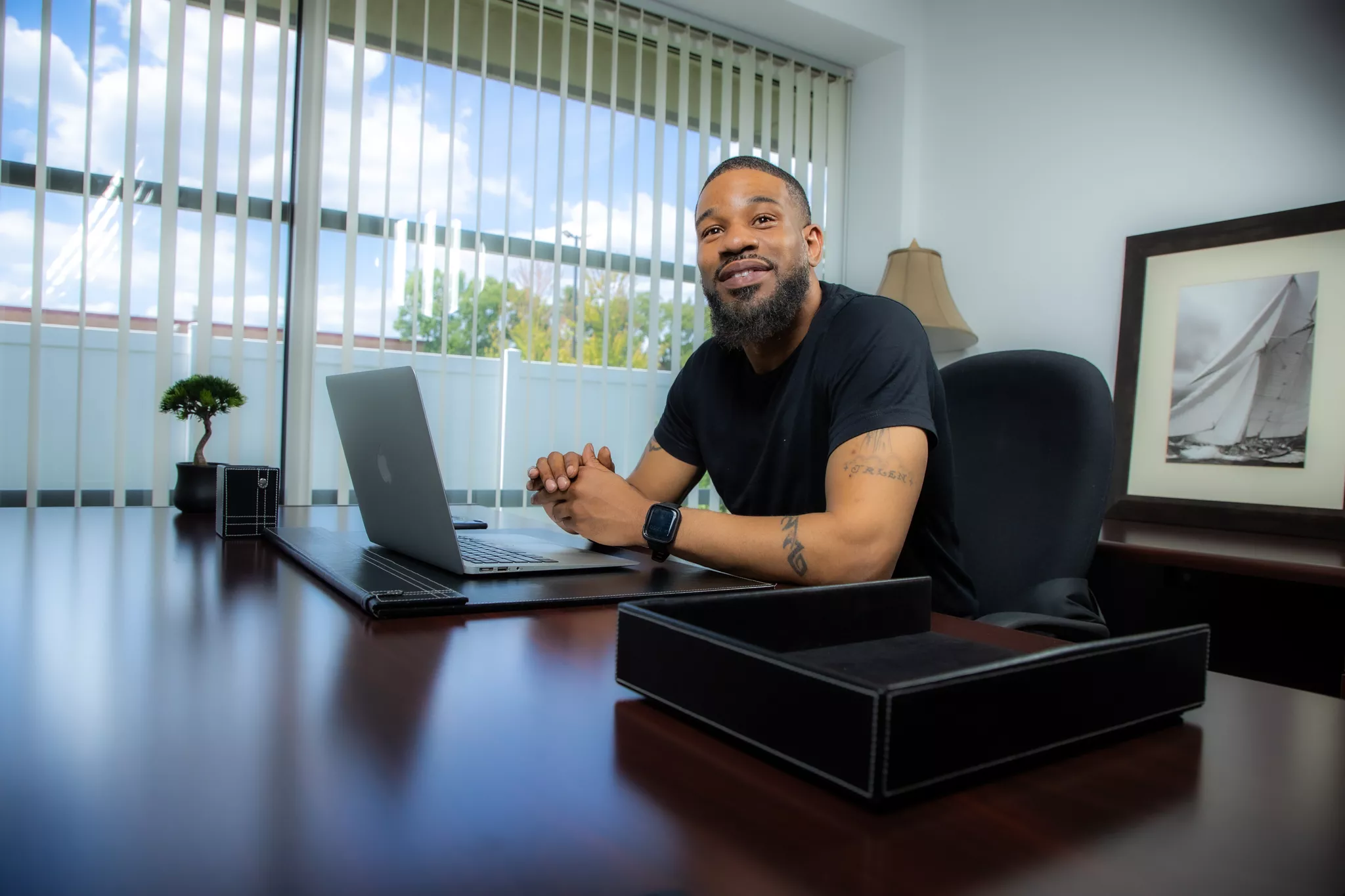
There is a reason employee-centered imagery outperforms polished corporate art direction. The 2026 Edelman Trust Barometer, based on nearly 34,000 respondents across 28 countries, found "my employer" is trusted by 78% of employees, running 14 points ahead of business generally and 25 points ahead of government.
The institution people still believe in is the one made of colleagues. Photograph that. A frame with a recognizable person doing recognizable work carries more weight than any amount of gradient-and-icon design, which is the same reason professional headshots measurably raise trust and credibility.
Running this across offices without the quality drifting
One office and one photographer is a calendar invite. Nine offices in six countries is where it falls apart. Each location books locally, each photographer has a house style, and within eighteen months the leadership page is a patchwork of backgrounds, colour temperatures, and crops that quietly signals a company that does not have its act together.
Snappr's business portraits coverage exists for this: guidelines keep lighting, framing, and backgrounds consistent so every portrait looks like part of the same team, and brand standards are centralised once rather than re-explained to each local photographer. Portraits come back in days rather than weeks, and new hires in new offices get shot without manual coordination, so the team page stays current instead of going stale between annual refreshes. Snappr powers visual content for 73% of the Fortune 500, most of which have exactly this problem.
Getting consistent imagery should not require a procurement cycle. Book a company photoshoot and pay per shoot at a fixed price with no retainer to negotiate first. Booking takes 90 seconds, runs with as little as twenty-four hours' notice, and edited photos land within 48 hours. Start with one office and add the rest as you go.
Frequently asked questions
What should be included in a company photoshoot?
Individual headshots, candid shots of people doing real work, wide environmental shots of your workspace with people in frame, small-group and team interaction shots, and vertical crops for social and mobile. Headshots alone leave most of your website and sales collateral still running on stock.
How much does a company photoshoot cost?
Cost depends on shoot length, number of people, locations, and whether editing and retouching are included. Most corporate shoots are priced per half day or full day rather than per image. Multi-office programs are usually cheaper per location when booked through one provider at a fixed rate.
How long does a company photoshoot take?
Budget roughly five minutes per person for headshots, plus two to three hours for environmental and candid coverage. A 40-person office typically fits in one full day. Larger teams work better as a two-day booking or a headshot station running alongside general coverage.
How should employees prepare for a company photoshoot?
Send a note a week ahead with what to wear, avoiding busy patterns and logos that will date. Ask people to bring an alternative top. Publish the schedule so nobody is surprised, and let anyone who prefers not to be photographed opt out quietly.
How often should a company redo its photos?
A full refresh every two to three years keeps imagery current, with new-hire headshots shot as people join so the team page never lags. Environmental and candid shots age faster if you move offices, rebrand, or change what the work physically looks like.
Sources
1. Gartner — Sales Survey Finds 67% of B2B Buyers Prefer a Rep-Free Experience, March 2026 — 646 B2B buyers surveyed; 67% prefer a rep-free buying experience
2. Nielsen Norman Group — Photos as Web Content — users ignore generic stock imagery; 10% more viewing time on portraits than bios
3. Glassdoor — Essential Employer Branding Statistics — 83% of job seekers research reviews and ratings; 7x application likelihood at ten or more brand views
4. 2026 Edelman Trust Barometer — nearly 34,000 respondents; "my employer" trusted by 78% of employees


