
You have about a tenth of a second
Someone clicks your name. A small square loads next to it. Before they've read your title, they've already decided whether you look competent, likeable and worth trusting.
That isn't a figure of speech. In a set of timed experiments, Princeton psychologist Alexander Todorov and Janine Willis found that people form judgements about a face within a tenth of a second, and that giving them more time mostly made them more confident in the call they'd already made. The British Psychological Society's summary of the same study notes that trustworthiness was the trait judged most consistently at that speed.
So the headshot does its job, or fails at it, before anything else on the page gets a look in. The good news is that the elements that move those snap judgements are mostly within your control. Photofeeler's analysis of more than 60,000 ratings across 800 profile photos found that expression, framing, clothing and editing all shifted how competent, likeable and influential people appeared, while the setting itself made no statistically significant difference.
This guide is a reference library of headshot examples, organised the way you'd actually plan a shoot: by style, by crop, by background and by where the photo will live. For each one you'll get what makes it work, who it suits and what to tell your photographer. Then we'll cover the common mistakes, how to make a whole team page look like one set, and a brief you can copy.

What every strong headshot example has in common
Browse enough professional headshot examples and the same five traits keep showing up, whatever the industry or style.
1. Soft, controlled light. The face is evenly lit with a gentle fall of shadow on one side. No harsh overhead light, no hot spots on the forehead.
2. A real expression. Photofeeler's data found a smile showing teeth raised likability by an average of 1.35 points, while a closed-mouth smile had about half the effect on likability and no significant effect on competence.
3. A confident eye line. Photofeeler found a slight "squinch," a gentle narrowing of the lower eyelids, lifted competence, likability and influence scores, because wide-open eyes read as uncertain.
4. A crop that leaves room for the face. LinkedIn's own guidance is that your face should take up about 60% of the frame, cropped from the top of the shoulders to just above the head.
5. A recent, honest likeness. LinkedIn advises using a photo from within the past few years that matches how you look day to day, down to glasses and facial hair.
One more detail separates the good from the great: jaw definition. Photofeeler found a clear shadow line along the jaw added 0.24 points to competence ratings. Experienced headshot photographers get there with light direction and a slight forward lean, which is part of why a professional session looks different from a well-lit phone snap. If you want the posing side of this, our guide to headshot poses walks through angles and body positions in detail.
Headshot examples by style
Style is the first decision, because it shapes everything that follows: wardrobe, location, lighting and how much of the setting shows. Here are the styles that cover almost every professional need.
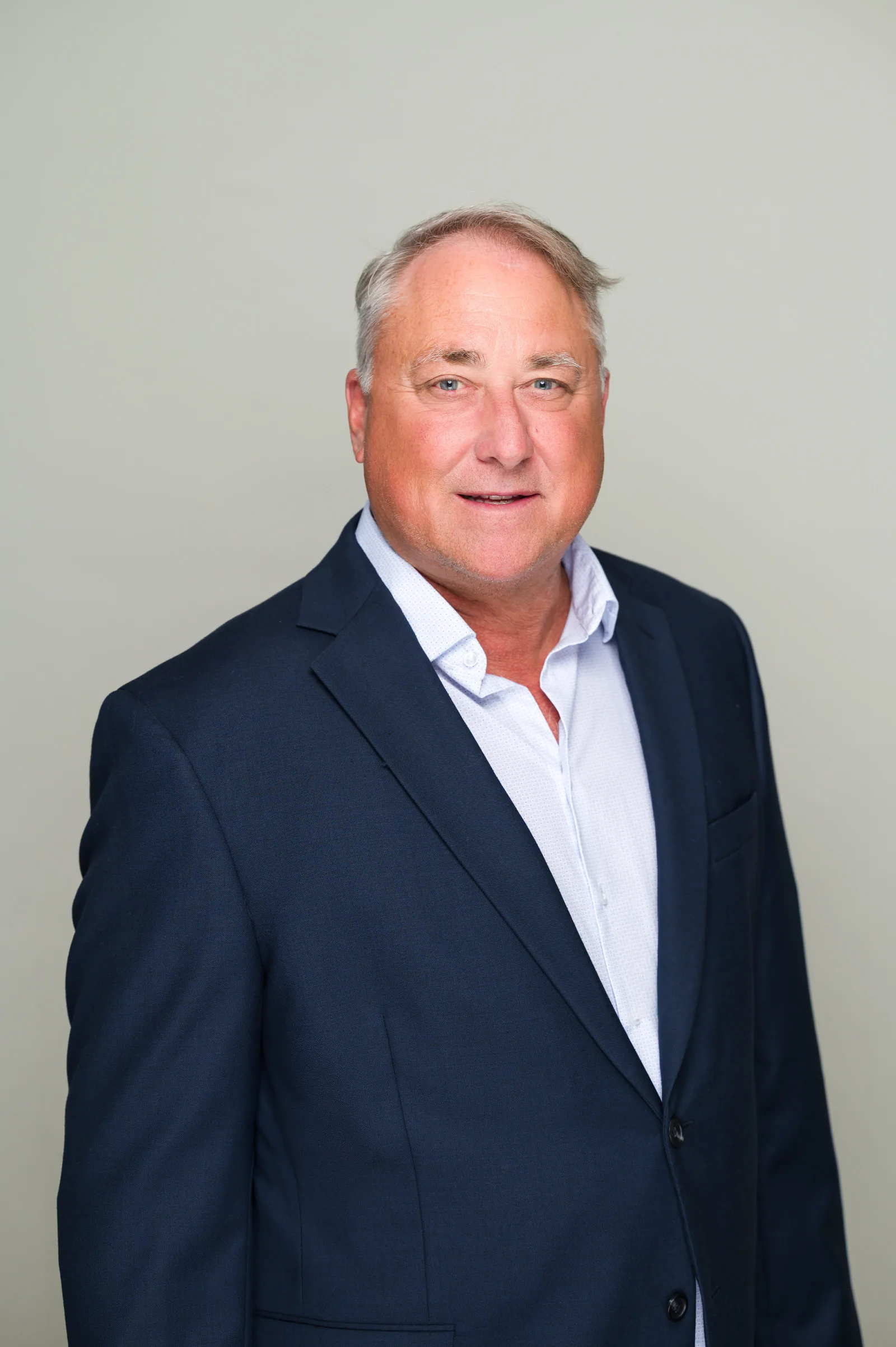
Traditional corporate headshot
The classic. Plain or softly graduated backdrop, business attire, even studio lighting and a head-and-shoulders crop. It's what most people picture when they search for corporate headshot examples, and it still fits law, finance, healthcare, government and any company that wants a directory to feel uniform.
What makes it work is restraint. Nothing in the frame competes with the face, and the formality does some heavy lifting too: Photofeeler found formal dress produced the biggest gains of anything tested for perceived competence (+0.94) and influence (+1.29).
Tell your photographer: "Classic corporate, gray or white backdrop, head and shoulders, soft key light, two expressions: warm smile and neutral."
Environmental (at-work) headshot
An environmental headshot places you in your real working context: an office, a studio, a workshop, a clinic. The background is recognisable but softened with shallow depth of field, so it adds context without taking over.
This style suits founders, consultants, architects, clinicians and anyone whose workplace tells part of their story. It's also the one that looks most "current" on a company website, because it feels less like a passport photo and more like a person.
Tell your photographer: "Environmental, shot on location at [place], background soft but recognisable, half-body crop, natural light plus fill."

Casual and creative headshots
Casual headshots drop the jacket and lean into personality: a sweater or open collar, a looser crop, a brighter or colored backdrop, a bigger laugh. Creative headshots go further, with bolder color, unusual angles or props that relate to the work.
This style fits startups, designers, writers, coaches and customer-facing roles where approachability matters more than authority. The trade-off is real, though. Photofeeler found a full laughing smile pushed likability even higher (+1.49) but erased the gains in perceived competence and influence. If your role depends on both, aim for the big genuine smile just short of the laugh.
Tell your photographer: "Casual and warm, open collar, bright background or colored wall, some shots mid-laugh and some settled."
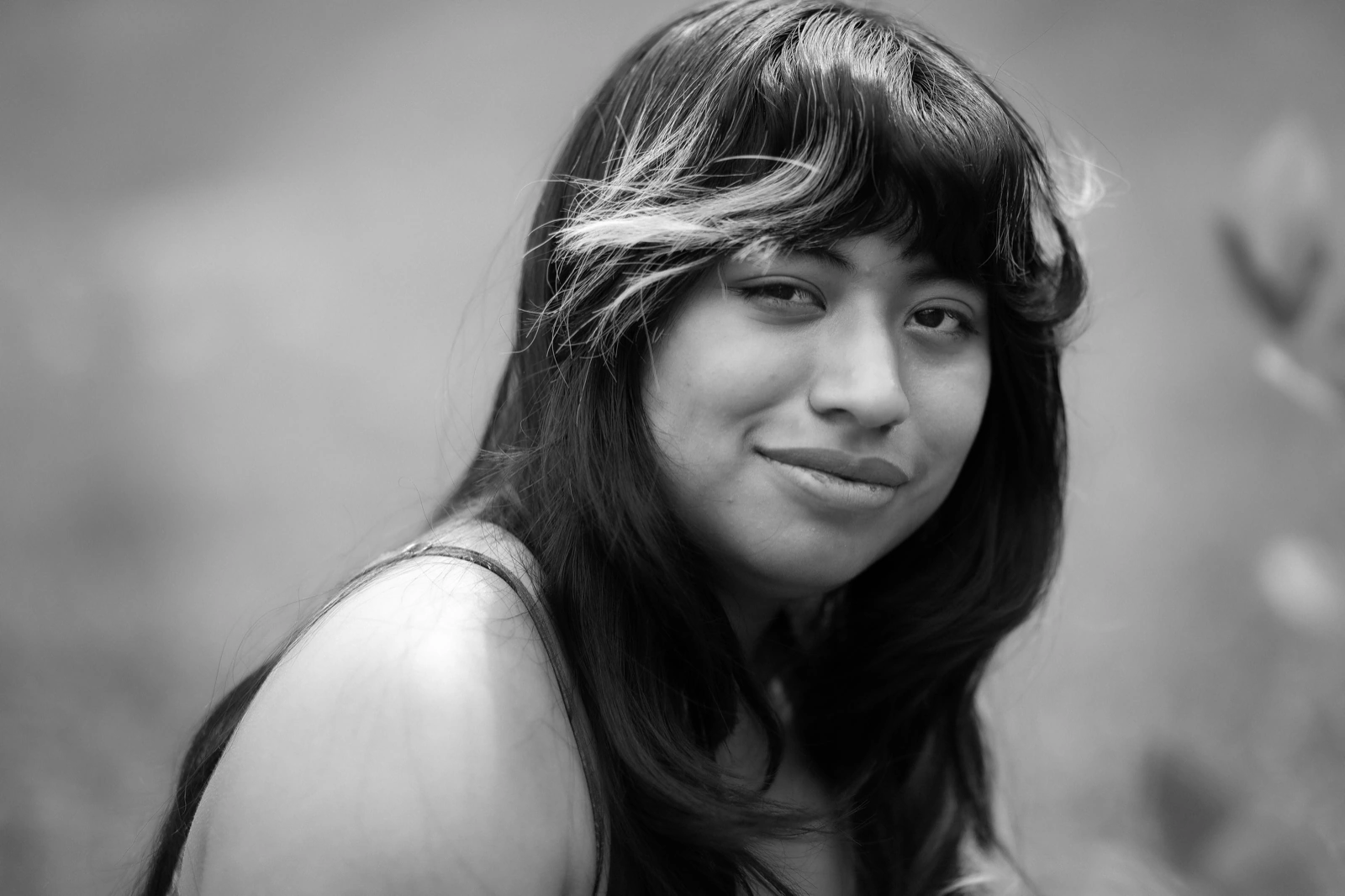
Black and white headshots
Monochrome strips out color distractions and puts everything on light, shape and expression. It reads as editorial and timeless, which is why it's popular for speaker bios, authors, architects and creative leads.
Here's a useful reassurance if you're torn: Photofeeler tested black and white against color and found no statistically significant effect either way on how competent, likeable or influential people looked. So choose it for brand fit, not because you think it will score better. Ask for a color version from the same session too, since plenty of platforms and directories want color.
Tell your photographer: "Deliver a black and white edit alongside the color files, with slightly more contrast and a defined jaw shadow."
Outdoor natural-light headshots
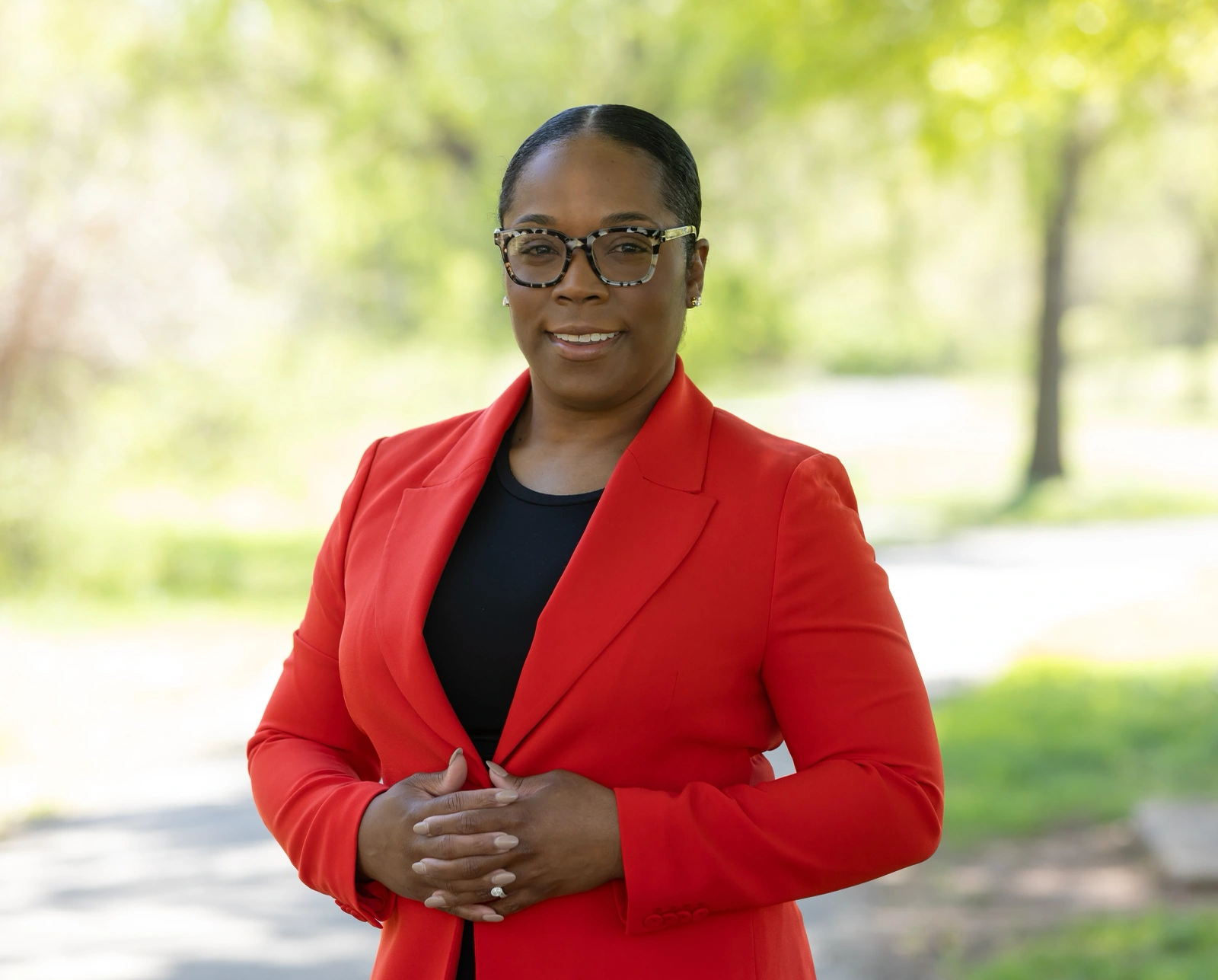
Outdoor headshots use open shade or late-afternoon light and a background of greenery, brick, water or city texture, thrown softly out of focus. They feel relaxed and human, and they're a smart option for real estate agents, coaches, wellness professionals and anyone whose brand is about place.
The craft is in the light. Direct midday sun makes people squint and throws hard shadows under the eyes. Good outdoor portrait photographers look for open shade, backlight at golden hour or an overcast sky, then bounce light back into the face.
Tell your photographer: "Outdoors in open shade or late afternoon, background of [greenery / brick / skyline] blurred, half-body crop, one or two shots walking or leaning."
Studio light vs natural light
This choice cuts across every style above. Studio light (one or two softboxes, sometimes a hair light) is fully repeatable, so it's the default when many people need to match. Natural light from a window or open shade looks softer and more lived-in, but it changes with the weather and the hour.
A simple rule: if more than one person needs to match, go studio or a portable studio setup on location. If it's just you and warmth matters more than uniformity, natural light is hard to beat.
Framing and crop: head-and-shoulders vs three-quarter
Crop is the most underrated decision in any headshot brief, because the same photo gets cut several different ways across the places it ends up.
A head-and-shoulders crop (sometimes called a bust) is the workhorse. It fits LinkedIn's circular frame, company directories, email signatures and ID systems. A three-quarter or half-body crop, from roughly mid-thigh or waist up, shows posture, hands and wardrobe, so it works on website bio pages, speaker pages and press features.
Photofeeler's data backs the middle ground. Bust and torso shots rated best, while face-only close-ups pulled likability down by an average of 0.21 and full-body photos cost 0.29 points on both competence and influence.
The practical move is to ask for both. A photographer who shoots slightly wider than your tightest crop gives you room to cut a square profile image and a vertical or horizontal bio image from the same frame, without losing the top of the head or cutting off an elbow awkwardly.
Headshot backgrounds: how to choose the right one
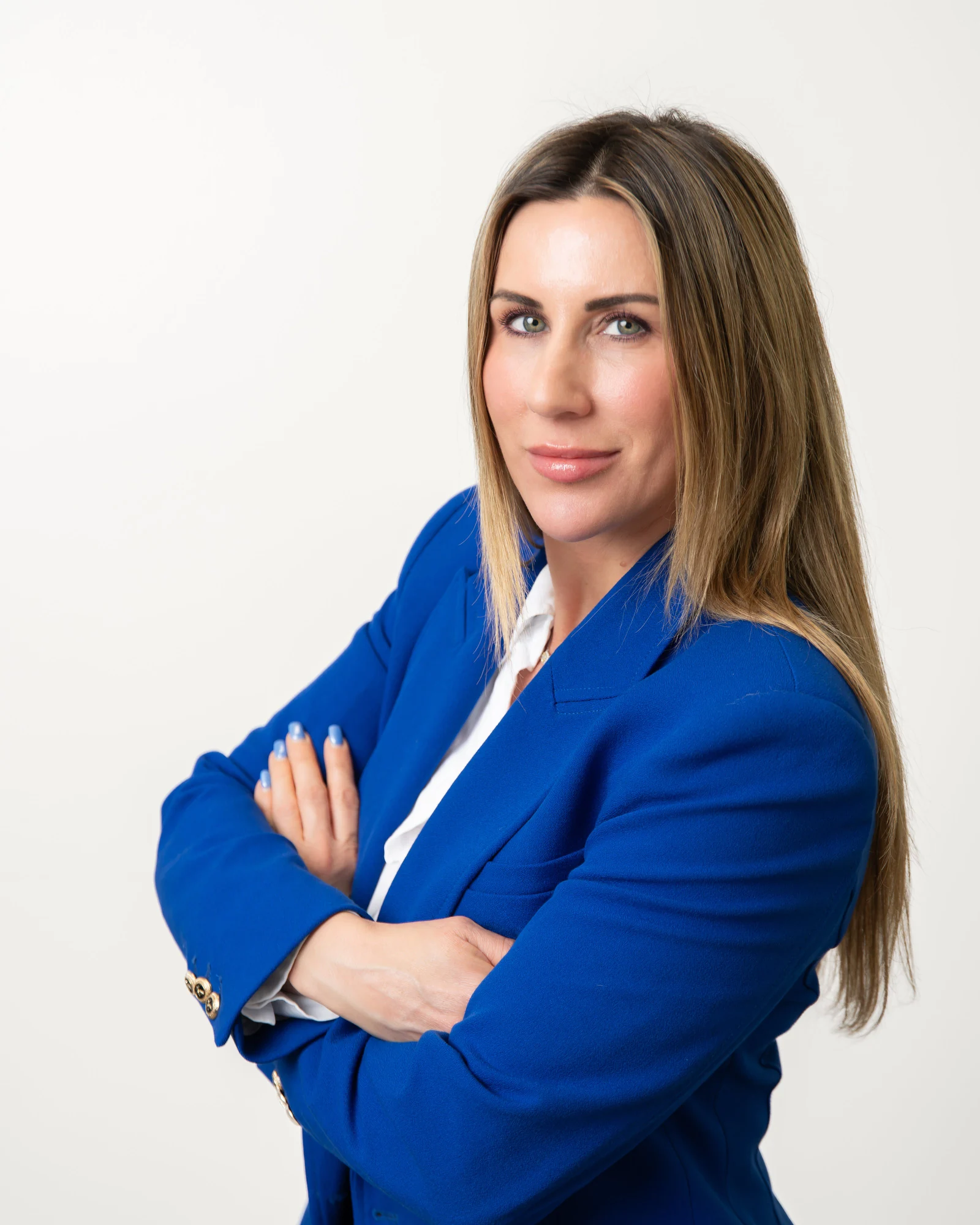
Of all the questions people ask when planning a shoot, the background is the one they overthink most. Here's the reassuring part: Photofeeler found the setting of a photo had no statistically significant effect on ratings. So there's no single "best" headshot background. There's only the one that fits where the photo will be used and what your brand needs to say.
Plain studio backdrops (white, gray, black, navy)
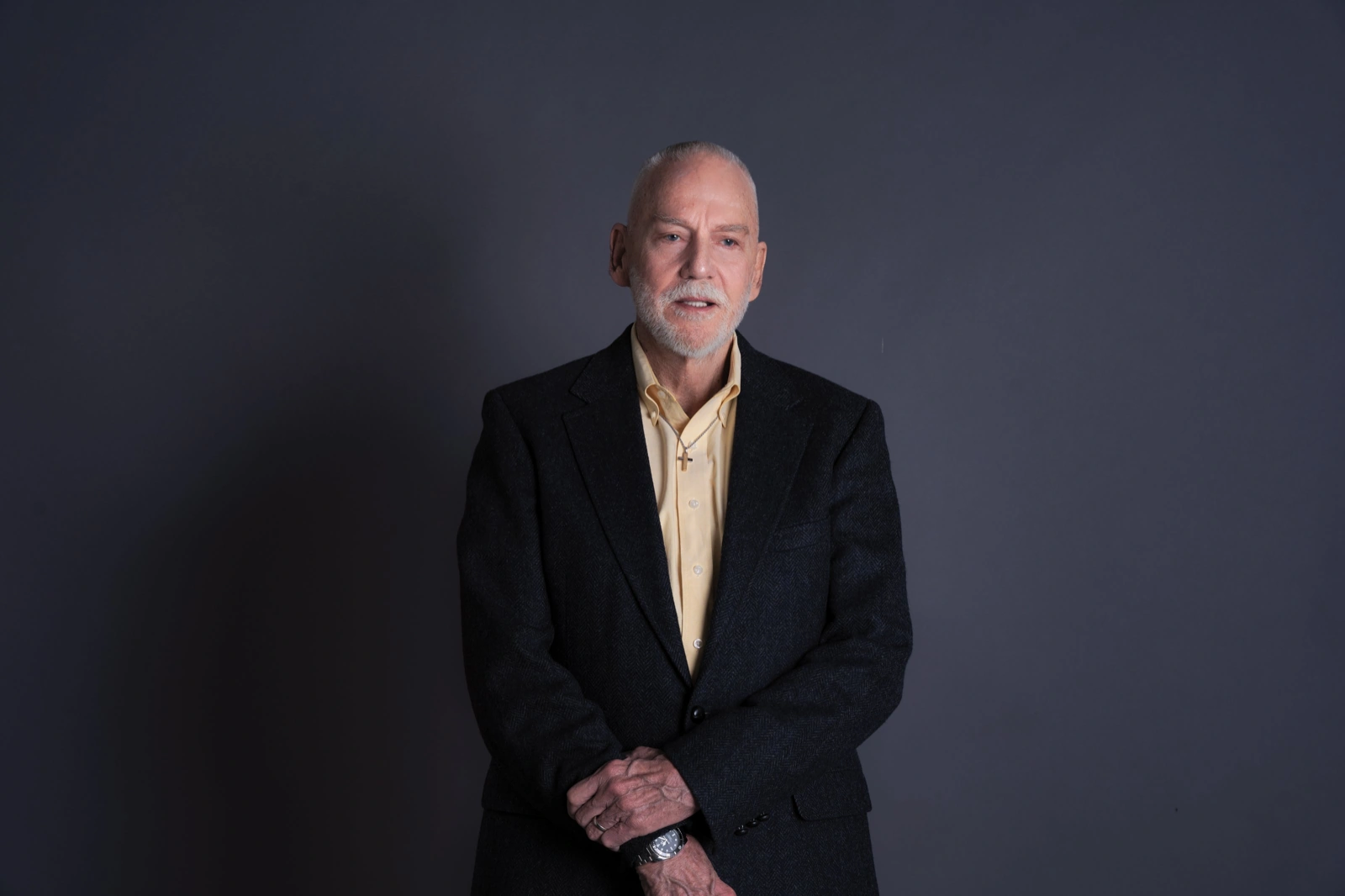
Plain backdrops put the full focus on the face and are the easiest to keep consistent across a team. White feels clean and clinical, which suits healthcare and directories. Mid-gray is the most forgiving for skin tones and prints well. Charcoal, navy and near-black look premium and executive, and they make a strong choice for leadership pages.
Office and workplace backgrounds
A softly blurred office, meeting room or reception area signals "real company, real people." It works best when the space is tidy and the depth of field is shallow enough that no screen, whiteboard or logo is readable behind you.
Outdoor backgrounds
Greenery, brick, stone, water and city streets add warmth and a sense of place. Keep the background at least a few meters behind the subject so it melts into soft shapes rather than reading as detail.
Branded color backgrounds
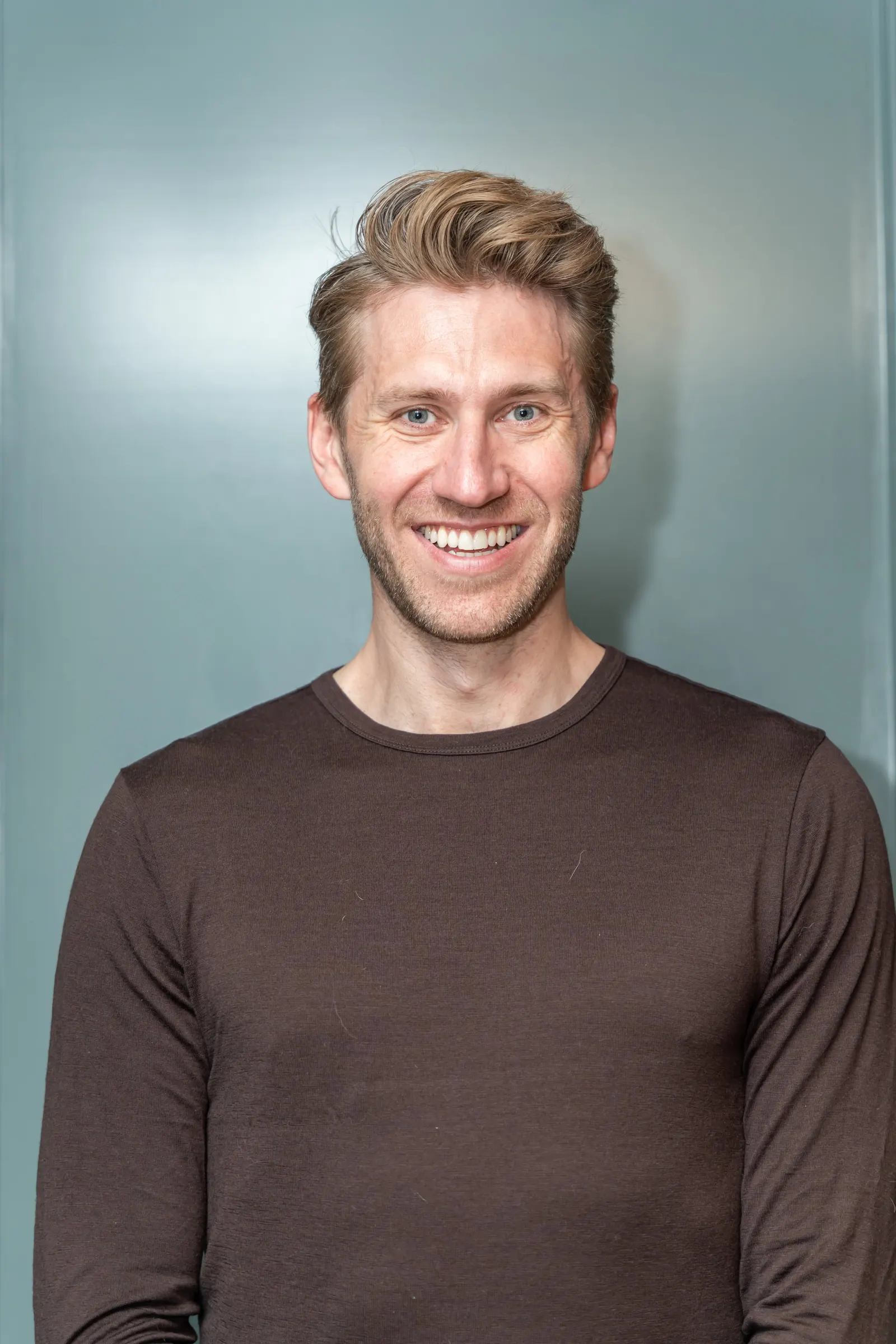
A painted wall or seamless paper in a brand color is an increasingly common way to make headshots feel owned rather than generic. It's also the most effective background for team consistency, because the color itself becomes the signature. Bring a swatch or hex code so the photographer can match it, and confirm the color works with most skin tones before committing a whole company to it.
Headshot examples by where you'll use them
The same person often needs different headshots for different jobs. Planning for the destination up front saves a reshoot later.
LinkedIn headshots
LinkedIn is where most professional headshots end up, and it's worth getting right. LinkedIn's own research says just having a photo makes your profile 14 times more likely to be viewed, and an earlier LinkedIn Sales Blog post put the gap at 21 times more profile views and 9 times more connection requests.
What works: a head-and-shoulders crop with your face filling about 60% of the frame, a simple background, and a file between 400 x 400 and 7680 x 4320 pixels under the 8MB cap, all per LinkedIn's photo tips. Remember that the square is displayed inside a circle, so keep your head centered and leave a little space above the hair. For a data-driven look at what stands out on the platform, see Snappr's study of who has the best and worst LinkedIn profile photos.
Website team and about pages
Team pages are one of the few places visitors genuinely study photos. In a Nielsen Norman Group eyetracking study of a company team page, a user spent 10% more time looking at the portrait photos than reading the biographies, even though the bios took up 316% more space. Nielsen's point was that this only works because they were real people who actually worked at the company; stock photos of generic people got ignored.
For a team page, consistency matters more than any individual shot. We'll cover how to get it in the next section.
Speaker bios, press kits and media features
Event organisers and journalists need more than a small square. Give them a high-resolution file, at least one horizontal and one vertical crop, and a version with space on one side for text overlays. A black and white edit often gets used for print programmes. Put all of it in one downloadable folder with a consistent file name, so nobody pulls a cropped screenshot of your LinkedIn photo instead.
Actor headshots
Acting headshots follow their own rules: they're about range and castability rather than corporate polish. Commercial headshots are bright and smiling; theatrical headshots are moodier and more serious. Casting directors expect the photo to look exactly like the person who walks into the room, so retouching stays minimal and styling stays close to everyday.
Industry notes
• Real estate agents: approachable and outdoorsy often beats formal. The photo appears on yard signs and listing sites, so a clean background and strong contrast help at small sizes.
• Healthcare: white or light backgrounds, a warm smile, and scrubs or a white coat if that's what patients will see.
• Law and finance: traditional corporate, darker backdrops, formal dress.
• Tech and startups: casual or environmental, often shot in the office.
• Creatives: bolder color, black and white or an environmental shot with the tools of the trade.
A strong headshot also does quiet work for your wider personal brand. Our piece on why your headshot is a key component of your personal branding goes further into that.
Corporate headshot examples: making a team look like one set
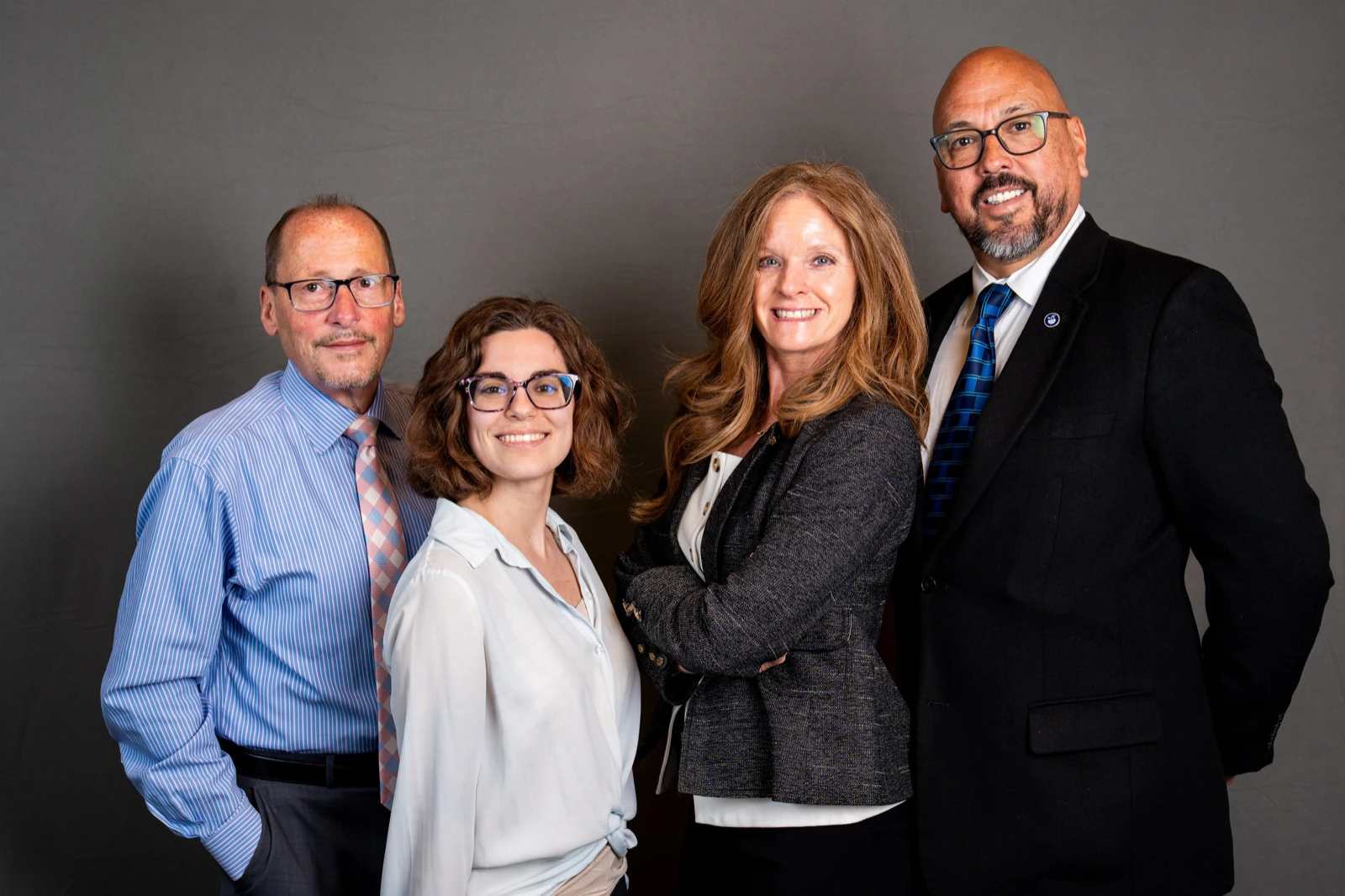
Individual headshots can each be good and still make a company page look chaotic. One person shot outdoors in summer, another on a white wall, a third cropped from a wedding photo: the page reads as a patchwork, and visitors notice.
The fix is a written spec that every session follows, whether it's one photographer in one office or dozens of photographers across cities and new hires months apart. Here's what to lock down:
1. Background: exact backdrop color or location type, and how blurred it should be.
2. Light: direction (for example, key light from camera-left) and style (soft studio or natural window).
3. Camera height and angle: lens at eye level, subject turned slightly, face to camera.
4. Crop line: where the frame starts and ends, and whether you need a square and a vertical.
5. Wardrobe guidance: a palette and formality level, plus what to avoid (logos, busy patterns).
6. Expression range: for example, one warm smile and one neutral per person.
7. Retouching level: blemish cleanup and flyaway control, but no reshaping.
8. File delivery: sizes, color and black and white versions, and a naming convention like firstname-lastname-2026.
This is also where a company-wide headshot day beats asking everyone to "get a headshot done." Snappr's business portraits service is built around exactly this, with guidelines that keep lighting, framing and backgrounds consistent so every portrait looks like part of the same team, and Snappr has completed more than 47,000 portrait shoots to date. For more on planning the day itself, our guide to corporate headshots covers logistics, scheduling and what employees should bring.
If you want to see how visible this gets at the top, Snappr's review of the Fortune 500 CEOs with the best and worst headshots shows how much the same few details separate the strong from the weak.
Good vs bad headshot examples: the mistakes to skip
Most bad headshots fail for one of a handful of reasons, and every one of them is avoidable.
The selfie
Arm's-length selfies distort the face. Researchers at Rutgers and Stanford, publishing in JAMA Facial Plastic Surgery, calculated that a selfie taken about 12 inches away increases perceived nasal size by around 30% compared with a distant camera, while a photo from 5 feet, a standard portrait distance, shows essentially no distortion. LinkedIn's tips add that the front-facing phone camera usually produces a lower-quality image than the rear one. If you must shoot on a phone, have someone else take it from a few feet back.
The cropped group photo
A stray shoulder, a half-visible hand or a slice of someone else's hair at the edge of the frame gives it away instantly. LinkedIn specifically advises against cropping a group photo for your profile picture for this reason.
Heavy filters and extreme edits
Photofeeler found that very high color saturation dropped perceived competence by 0.31 and influence by 0.35, and an overly dark photo dropped likability by 0.38. Beauty filters and aggressive skin smoothing create a different problem: the photo stops looking like you, which is exactly what the viewer is trying to assess.
The outdated photo
A ten-year-old photo feels harmless until someone meets you and doesn't recognise you. LinkedIn's guidance is to use a photo from within the past few years and retake it after any major change in appearance.
Hidden eyes
Sunglasses cost an average of 0.36 points on likability in Photofeeler's study, and eyes obscured by hair, glare or shadow cut competence and influence scores. Anti-glare coatings or a slight tilt of the glasses solves the reflection issue.
The busy background
A readable whiteboard, a cluttered bookshelf or a bright window behind your head pulls attention from your face. If the background is interesting enough to look at, it's too interesting for a headshot.
The AI stand-in that isn't you
LinkedIn's profile photo guidelines say the picture must reflect your likeness and can be removed if it shows someone else, stock imagery or a fictional character. An AI-generated headshot that smooths away your actual face walks close to that line, and it fails the moment someone meets you on a video call.
What to wear for a professional headshot
Wardrobe shapes how formal the whole image feels, and it's the easiest part to get right with a little planning.
• Match the formality to the role, then go one step up. Photofeeler's biggest single effect on perceived competence came from formal dress.
• Choose solid colors that complement your skin tone. LinkedIn's Sales Blog advises avoiding busy textures, patterns and logos.
• Layer for shape. A jacket over a shirt or a sweater over a collar gives structure to the shoulders.
• Keep jewelry and accessories minimal, so they don't compete with your face.
• Bring two or three options. Most photographers can shoot a formal and a casual look in the same session, which gives you a LinkedIn photo and a website photo in one go.

How to brief a photographer using examples
The single most useful thing you can do before a headshot session is collect examples. A photographer can read three reference images faster than three paragraphs of description, and it takes the guesswork out of the session for both of you.
Here's a brief you can copy and fill in:
1. Use: where the photos will appear (LinkedIn, team page, speaker bio, press kit).
2. Style: corporate, environmental, casual, black and white or outdoor.
3. Crop: head-and-shoulders, three-quarter, or both.
4. Background: backdrop color, office location or outdoor setting.
5. References: two or three example headshots you like, with a note on what you like about each (the light, the crop, the expression).
6. Anti-references: one example you don't want, and why.
7. Outfits: how many looks, and which is the priority.
8. Deliverables: square and vertical crops, color and black and white, file size needs.
Notes on each reference matter more than the images themselves. "I like the soft light from one side and the relaxed smile" gives a photographer something to act on. "I like this one" doesn't. If you're still choosing who to hire, our guide to finding a professional headshot photographer covers what to look for in a portfolio and what questions to ask.
Get headshots that look like the examples you saved
You've got your references, your crop list and a clear idea of the background. Now you need a photographer who can deliver it without a two-week back-and-forth.
That's what Snappr is built for. You can book a vetted portrait photographer in under two minutes with as little as 2 hours' notice, at fixed prices from less than $100, and your edited photos arrive within 48 hours. Share your references and brief when you book, and your photographer turns up with the gear to match.
Book a professional headshot session with Snappr today.
Planning headshots for a whole team or several offices? Talk to Snappr's Enterprise team about a company-wide headshot day with shared guidelines, so every new hire's photo matches the rest.
Frequently asked questions
What is a good example of a professional headshot?
A good professional headshot is a recent, head-and-shoulders or chest-up photo with soft, even light, a genuine expression and a background that doesn't compete with the face. Your face should fill roughly 60% of the frame, and the photo should look like you do on a normal working day.
What are the main headshot styles?
The main headshot styles are traditional corporate, environmental or at-work, casual and creative, black and white, and outdoor natural light. Choose based on your industry and where the photo will be used: corporate for law, finance and healthcare directories, environmental or casual for startups and founders, outdoor for real estate and coaching.
What is the best background for a professional headshot?
There isn't one best headshot background. Plain gray, white or dark backdrops are the most consistent and versatile, office backgrounds signal a real workplace, and outdoor or branded color backgrounds add warmth and personality. Pick the one that fits your brand, and keep it soft enough that nothing behind you is readable.
Should I smile in my headshot?
In most cases, yes. A natural smile showing teeth tends to make people look more likeable and approachable, while a full laugh can make you seem less serious. A good photographer will shoot both a warm smile and a more neutral expression so you can choose.
How often should I update my headshot?
Update your headshot every two to three years, or sooner if your appearance changes noticeably, such as a new hairstyle, glasses or facial hair. The goal is for anyone meeting you in person or on a video call to recognise you immediately from your photo.
How do I make team headshot examples look consistent?
Write a short spec covering background, lighting direction, camera height, crop line, wardrobe palette, expression range and retouching level, then use it for every session. Booking all team headshots through one provider that applies shared guidelines makes consistency far easier across offices and new hires.
Sources
1. Princeton University, "Snap judgments decide a face's character, psychologist finds" (2006): Willis and Todorov, judgements of a face within a tenth of a second; more time raised confidence
2. British Psychological Society Research Digest, "Your trustworthiness is judged in a tenth of a second, or less" (2006): trustworthiness showed the strongest correlation at 100ms
3. Photofeeler, "New Research Study Breaks Down 'The Perfect Profile Photo'": 60,000+ ratings of 800 photos; smile, squinch, jawline, dress, crop, setting, editing, black and white and sunglasses effects
4. LinkedIn Talent Blog, "10 Tips for Taking a Professional LinkedIn Profile Photo" (2024): 14x more likely to be viewed, 60% face, image size, recency, group crops, selfie camera quality
5. LinkedIn Sales Blog, "Picture Perfect: Make A Great First Impression with Your LinkedIn Profile Photo" (2018): 21x profile views, 9x connection requests; wardrobe guidance
6. LinkedIn Help, "Profile photo guidelines and conditions": profile photo must reflect your likeness
7. Nielsen Norman Group, "Photos as Web Content": team page eyetracking, 10% more time on photos than bios that took 316% more space; real people vs stock
8. Ward et al., "Nasal Distortion in Short-Distance Photographs: The Selfie Effect," JAMA Facial Plastic Surgery (2018), via PubMed Central: selfies at 12 inches increase nasal size by about 30%
9. Rutgers University, "Selfies Drive Self-Image and May Lead Many to Seek Plastic Surgery" (2018): 5 feet as a standard portrait distance; Rutgers-Stanford model


