
.jpg)
Most of us are weary of the phrase "the new normal." We yearn for the good old days before everything was "unprecedented" or "upended." But, at the same time, we know we need to prepare ourselves for some long-lasting post-COVID lifestyle changes.
Impact on the Restaurant Industry
Perhaps no industry has been hit harder by the pandemic than the restaurant business. Yet, as members of a trade that has proven its resiliency through the years, successful restaurant and food marketplace managers have been meeting the challenges — and preparing for the future — with innovation and ingenuity.
Here are four trends that have defined COVID for the restaurant industry — and more importantly, how savvy restaurateurs are making them work for their bottom line.
1. COVID closures have crushed the breakfast and late-night industry
In late June, a Stanford University study found that a whopping 42% of Americans were working from home (WFH) full-time. The study found that another 33 percent were not working, and the remaining 26 percent were mostly essential service workers.
These numbers reveal why the high-profit breakfast business has taken a steep nosedive during the pandemic.
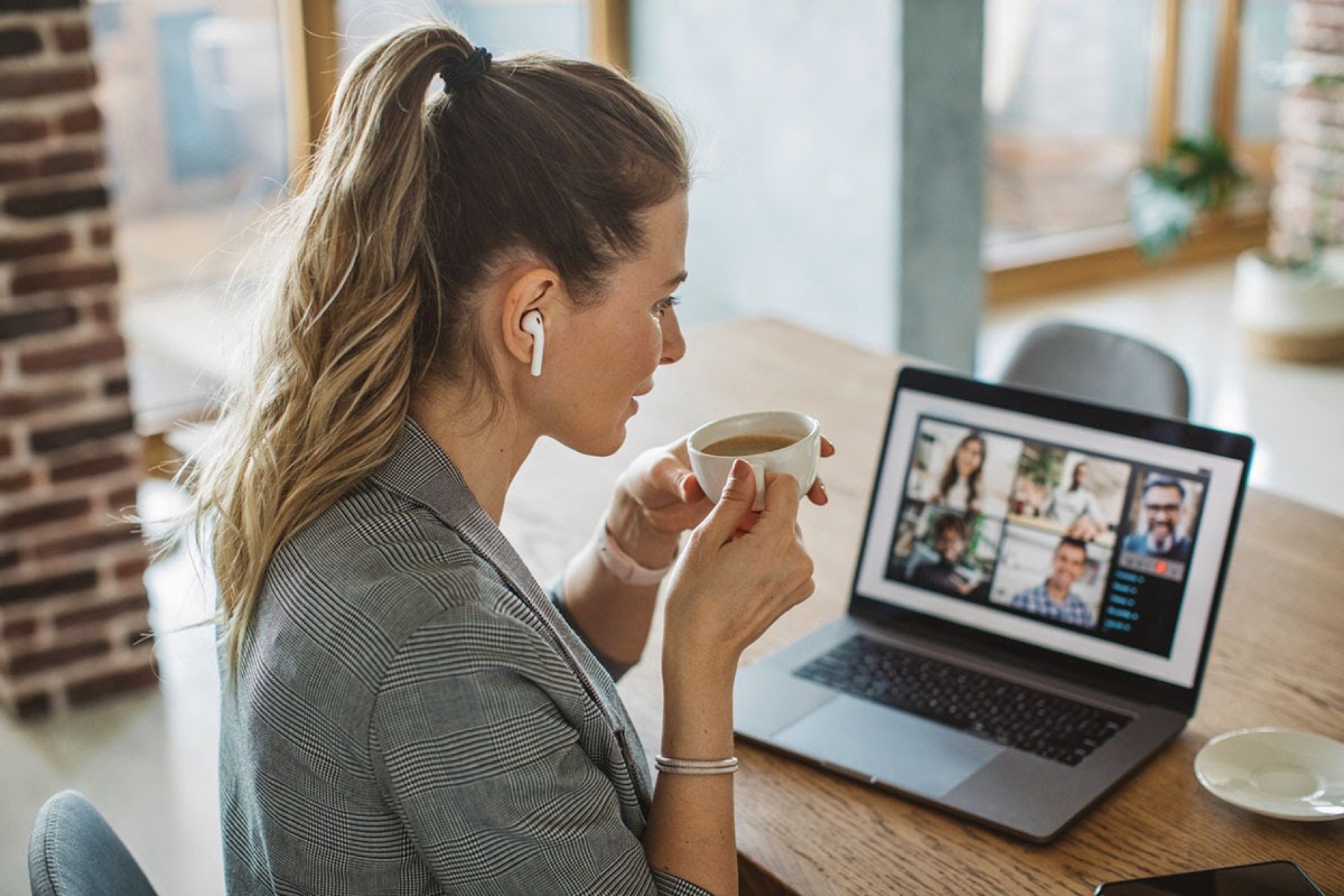
That regular customer who grabs a coffee and a breakfast meal on the way to the office is staying home.
In addition, shutdowns have kept late-night revelers from stopping for a bite to eat after attending concerts, films, or other evening events.
As many surveys show that the WFH trend will continue even after the crisis ends — either full-time or as part of a hybrid work schedule — and that people may remain wary of large-group events for a long time to come, how is the restaurant industry coping?
Some chains known for their breakfasts, like Denny's and IHOP, have cut their menus to simplify operations and reduce costs. Many brands are shifting their focus to "snack" concepts and putting more emphasis on dinner.
Even though people's routines are still disrupted, many are tired of eating at home 24/7. A renewed focus on group or family meals may be one way to regain lost breakfast and late-night revenue.
Here's an example:
Roti Modern Mediterranean, a Houston-based 42-unit operation, now offers family meal boxes for both take-out and delivery. "We always hoped to strengthen our dinner business," McGrath said in an interview with Restaurant Business. "And these have been a good way to introduce families and kids to Roti."
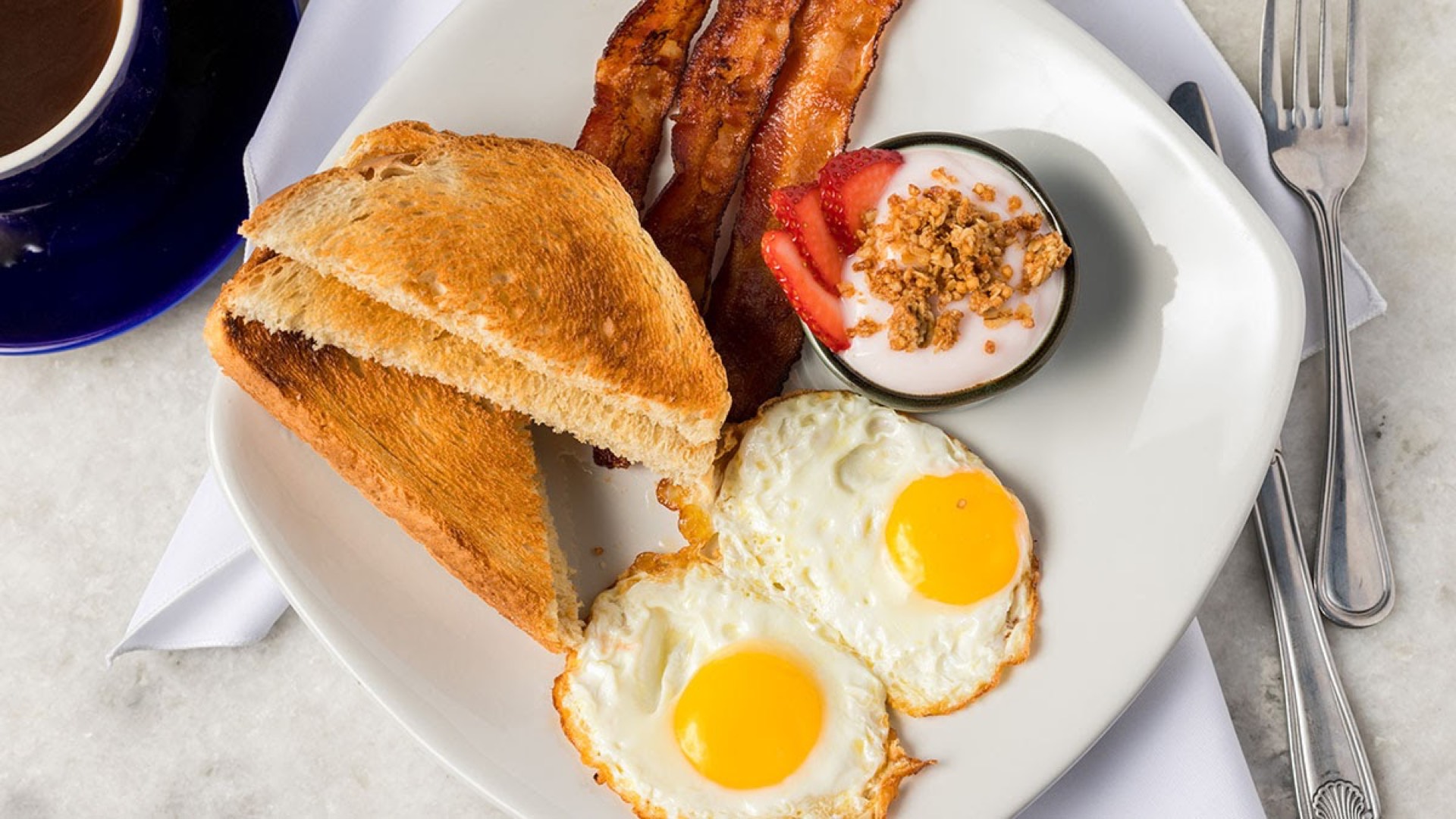
How can you showcase your adjusted menu or new menu options? Professional photography will grab your customers' attention and whet their appetites.
Adding high-quality food photos to your online menus can increase sales by at least 30%, and a study by Deliveroo, the UK's largest food delivery platform, shows that more online orders go to restaurants with more photos in their menus.

2. Diners are loving the convenience and safety of take-out and delivery
Off-premises dining options have kept the restaurant industry afloat during the pandemic, and industry experts do not see the trend slowing down even after the health crisis is over.
Restaurants that are in it for the long haul are reducing their footprint by offering smaller indoor dining rooms, expanded outdoor seating, curbside delivery, and order-ahead drive-through options.
Shake Shack is a good example of a business that meets its customers' needs through this multi-layered trend. Last summer, the restaurant opened its first drive-thru location, and all new "Shack Tracks" will have either drive-up or walk-up windows, with meals available for pickup through mobile ordering.
According to an estimate by John Glass, lead equity analyst for Morgan Stanley, food delivery through both online platforms and restaurant self-delivery will reach 13% of the addressable market by year-end and 16% by 2022. The firm's pre-COVID prediction was for the segment to reach those numbers in 2025.
Casual dining to-go sales volumes increased threefold during the shutdowns, Glass points out.
Mobile ordering is also expanding into grocery-store-like approaches. Some restaurants, like Garbanzo, offer delivery of staples like milk, juice, and eggs along with their meals.
The best way to beat the competition in pick-up and delivery is with knock-out visuals. Don't make the mistake of merely downloading your menu and thinking that is enough.
It's not as if we need proof, but a Statista survey shows that people stuck at home during the early days of the lockdown were on their social media accounts more than ever. You can catch a hungry scroller's eye by posting mouth-watering images taken by professionally trained food photographers.
3. Americans are heading back to the burbs
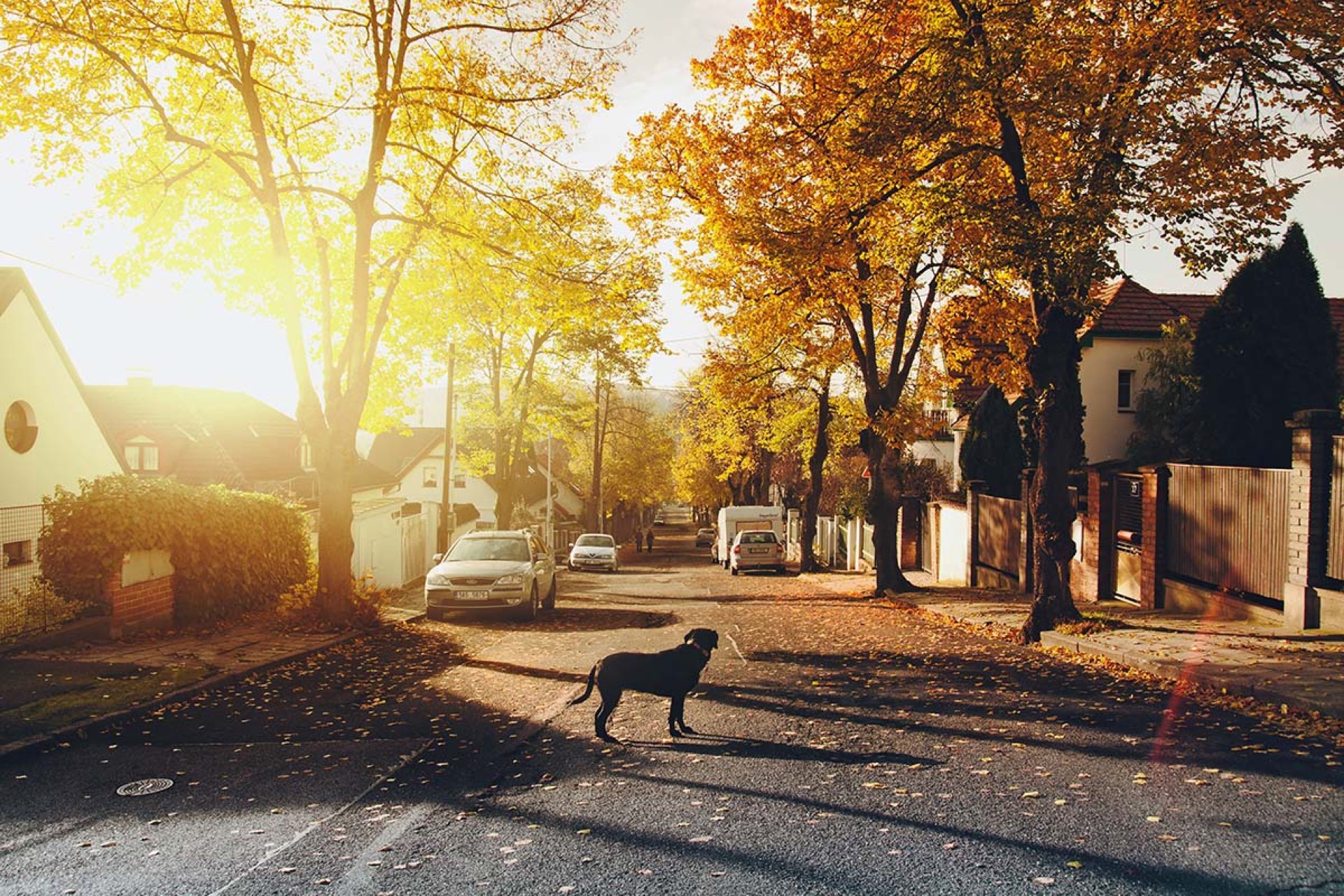
As dense city centers struggle due to office and business closures, many metropolitan areas are experiencing a suburban revival.
According to a Harris Poll taken earlier this year, about 40 percent of adult urban residents are considering moving "out of populated areas and toward rural areas."
Smart restaurateurs are looking to go where their customers want to be by focusing on new suburban locations.
Besides being closer to popular bedroom communities, the advantages include more space for social distancing, drive-thru operations, pickup-order parking, and outdoor dining.
Chipotle is an example of a chain that is capitalizing on the extra room of suburban locations.
In July, it opened its 100th Chipotlane, its drive-thru digital order concept, and announced its "We Are Open. We are Growing. We Are Hiring" campaign.
You can tell your customers about your new space and services in words, or show them with high-quality photos.
Which one do you think will have the better results? You're right. Photos can get your message across in a way that words cannot. A study by Buzzsomo found that including images on Facebook posts more than doubles engagement!
4. Flexibility wins the day
"Pivot" is another one of those words you're probably sick of hearing this year.
But the fact remains that the restaurants and food marketplaces that have kept their doors open have made major pivots this year.

New, expanded takeout and delivery menus have created a need for better packaging, for example.
Kyle Welch, CEO of Epic Burger in Chicago, is considering new packaging for burgers and fries, which notoriously don't travel well. "We're looking at ventilated plastic bags that release the steam without sacrificing safety or sustainability," he said in an interview with Restaurant Business.
Ghost kitchens, which are warehouse-style spaces that can accommodate several delivery-only restaurants, are another way the industry is staying nimble.
Because of the pandemic, pop-up restaurants have become much more than just a foray into the business. Some established brick-and-mortar locations are using the pop-up concept to offer a safer dining experience.
Are you trying something new in your restaurant or your delivery service?
Professional photos or videos are the best way to market your plans. Half of all marketing strategists say quality photography is essential to their current storytelling strategies.
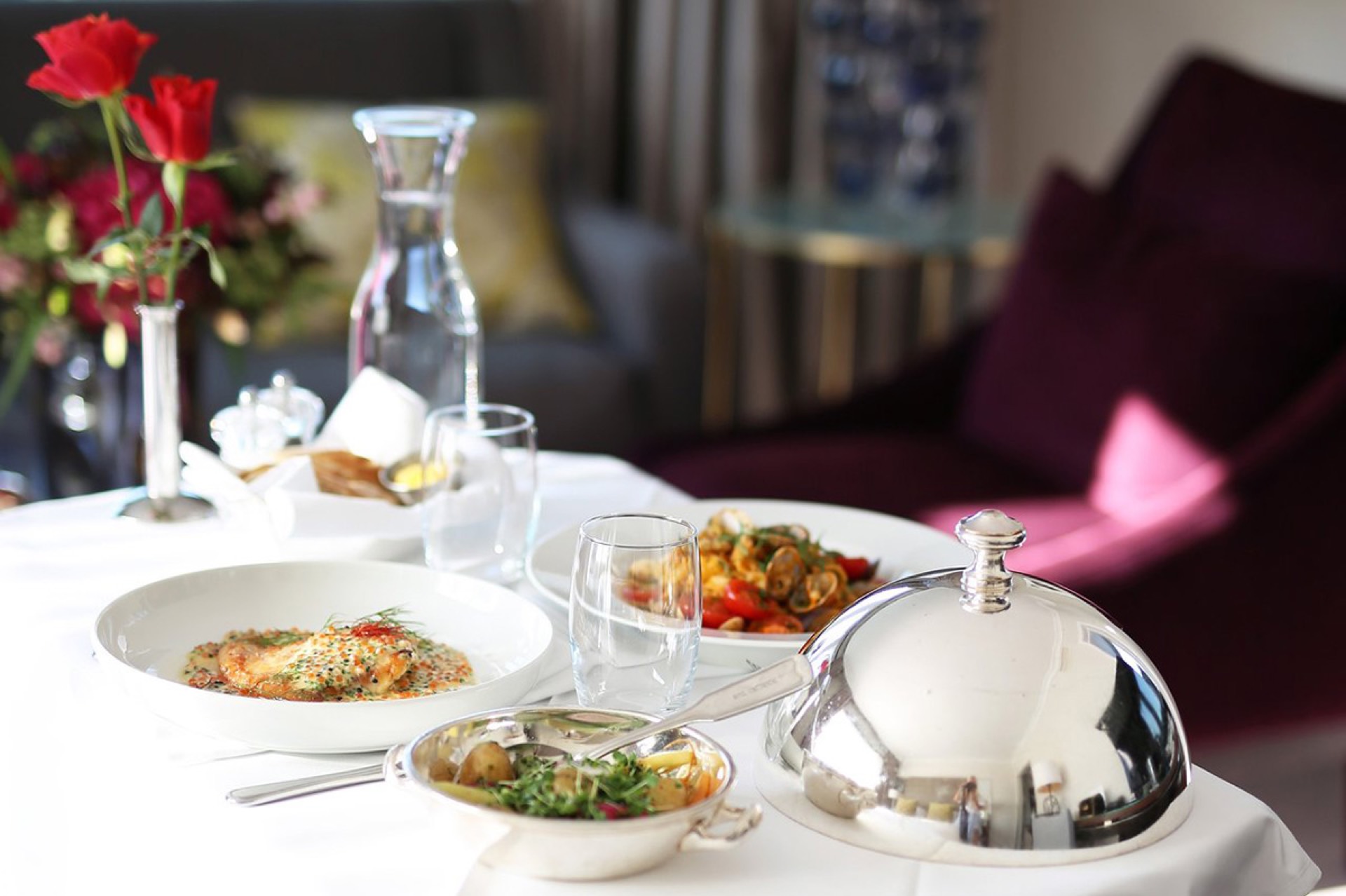
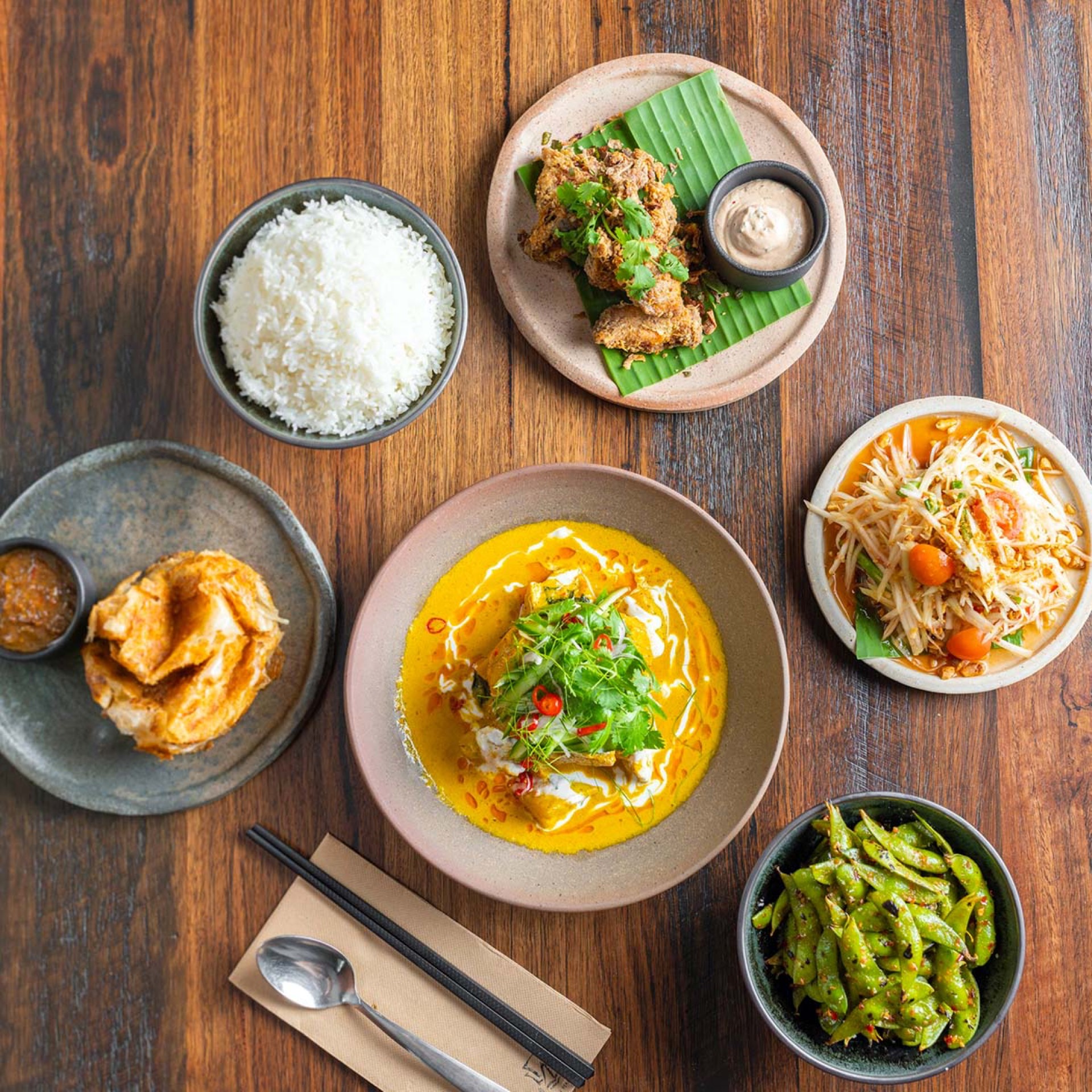
If you are looking to boost your restaurant or delivery sales during these “challenging times” (another overused 2020 phrase), it's time for you to call Snappr.
Snappr is your one-stop shop for professional food photography. With Snappr's nationwide network of professional photographers, you can have an expert at your door in as little as two hours, or you can hire hundreds of photographers at once, all over the country, to shoot your company’s menus on a national scale.
So, contact Snappr today and watch a new trend — and an upward one — grow at your restaurant.


