
The 12-Second Decision: What Wins Orders on DoorDash and Uber Eats in 2026
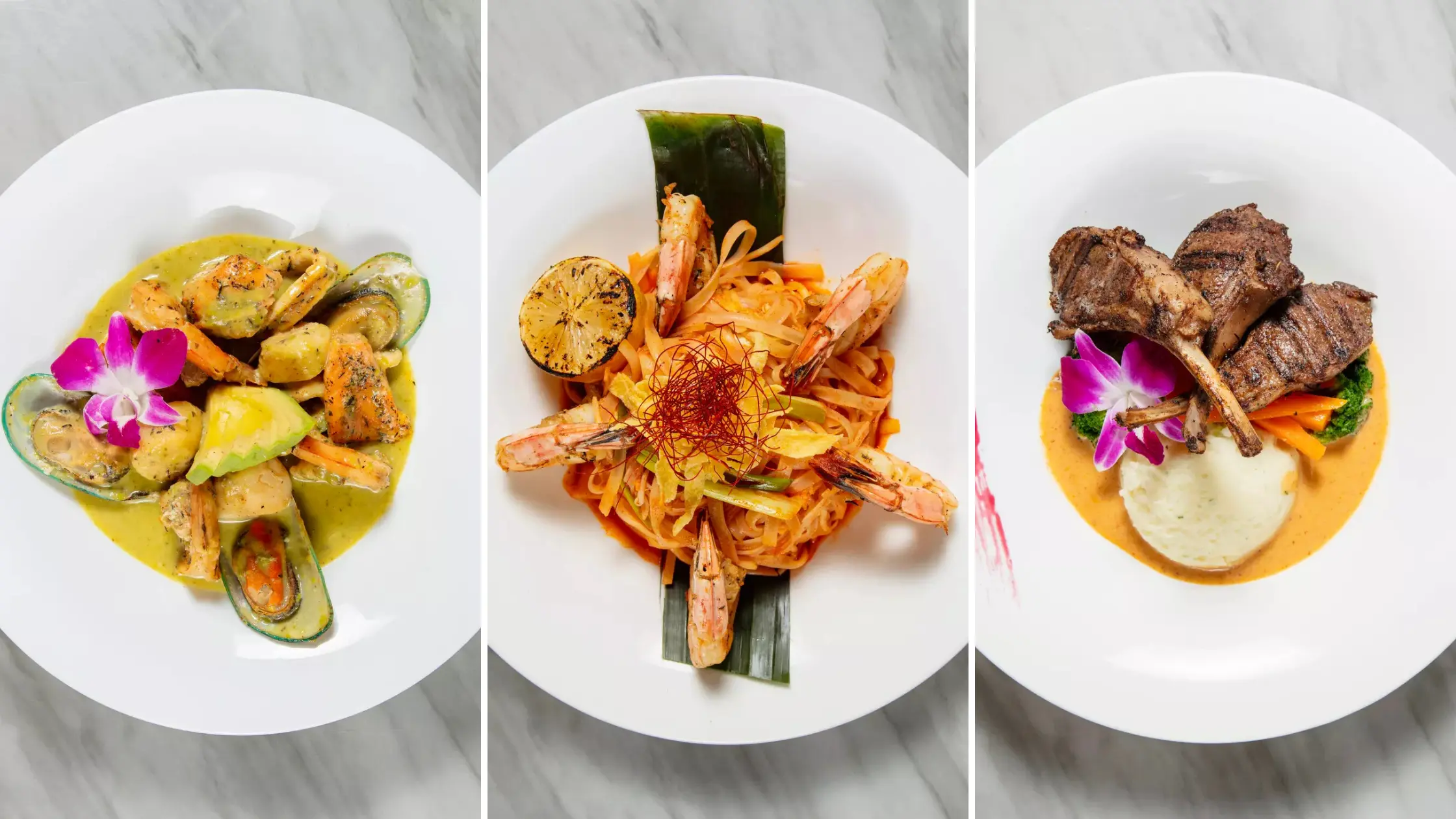
A diner picks up their phone at 6:47 PM on a Wednesday. They are tired, they are not browsing. They are scrolling. They will spend a few seconds on your DoorDash tile before they swipe to the next restaurant. Snappr's consumer research shows that 70% of diners decide what to order based on menu photos. Their thumb does not pause for a clever name or a poetic description. It pauses for an image.
If your restaurant operates multiple locations, that 15-second window occurs thousands of times a night. Get the visual right, and your basket-add rate climbs across every store at once. Get it wrong, and the loss is not theoretical. It is the difference between Tuesday's velocity and Wednesday's silence.
The good news is the data on what works is unusually clear. DoorDash's own 2026 trends report, drawn from a Dynata survey of 3,001 US consumers and 500+ restaurant operators, found that restaurants pulling 50% menu photo coverage see an average 13% sales lift with no ad spend, no new channel, just a more complete profile. Adding descriptions to at least half the menu adds another 6% on top of that. DoorDash itself reports that joining DashPass can lift take-home delivery sales by over 30%. Grubhub's own research has shown a 30% sales increase tied to menu photography. Deliveroo measured 24%.
The Market in 2026: Why This Is A Bigger Lever Than It Was Three Years Ago

The US food delivery market hit $119.46 billion in 2025 and is projected to reach $130.28 billion in 2026. DoorDash owns roughly 56% of US share, Uber Eats holds 23%, and Grubhub trails at around 16%. For a multi-location operator, this is no longer a side channel. Third-party delivery is now the top driver of new customer acquisition, cited by 30% of restaurant owners in DoorDash's 2026 survey as the single largest source of new-customer reach.
Two structural shifts make the order-acquisition lever more leveraged than it was even a year ago.
First, DashPass and its competitors have changed the diner pool. As of Q4 2025, DoorDash reported 35 million paid memberships across DashPass, Wolt+, and Deliveroo Plus. Those subscribers order, on average, three times a week and filter the app to DashPass-eligible restaurants. If you are not on DashPass, you are invisible to a fast-growing slice of the highest-frequency customers on the platform.
Second, AI-driven discovery is shifting where the decision happens. DoorDash's research found that restaurant listing sites account for more than 41% of the sources AI tools like ChatGPT and Google AI Overviews cite when recommending restaurants. Diners are increasingly asking an AI assistant what to order. That AI is reading your DoorDash and Uber Eats listing. Whatever it sees there is what it tells the customer.
The implication: the highest-ROI optimizations on DoorDash and Uber Eats in 2026 are not new tactics. They are the ones that have always worked, executed at higher coverage and higher quality than your competitors.
Lever 1: Menu photos — the single most measurable change

If you do one thing on a multi-location DoorDash and Uber Eats program in 2026, it is hit 100% menu photo coverage on every item, on every store, with photographs that hold up at thumbnail size.
The data on photo lift is unusually consistent across primary sources. DoorDash's 2026 internal data shows a 13% average sales lift from photo coverage above 50%. Grubhub's research shows a 30% sales increase tied to food photography. Deliveroo measured a 24% lift. Snappr's own consumer study found that 70% of customers decide what to order based on menu photos. Claid's analysis of food tech visuals reported that DoorDash itself estimates "adding high-quality photos to your menu can increase delivery volume by 15%."
The pattern across the data: photos beat words, photo coverage beats hero shots, and consistent quality across the menu beats one beautiful image and forty empty tiles.
The silent killer: photo coverage gaps
The number that does not get talked about enough is photo coverage. A restaurant with eighty items and twelve photos has a 15% coverage rate. That restaurant is leaking orders on every item without an image. Diners scroll past, attribute the absence to laziness, and assume the item is not worth ordering. Snappr's own analysis of delivery app photo issues walks through exactly how those gaps compound across a menu. The fix is not "shoot the bestsellers." The fix is shoot the whole menu, at quality, and update it when items change.
For a multi-location operator, the math gets uglier fast. If your average store has 20% photo coverage and your competitors are sitting at 60%, every store in your footprint is bleeding orders simultaneously. Closing that gap is not a marketing project. It is operations.
DoorDash photo specs in 2026
DoorDash's current specs for menu item photos:
- 1400 x 1400 pixels minimum, square aspect ratio
- JPG or PNG, under 10 MB
- Bright, well-lit, single dish per frame
- White or neutral light background preferred
- No text, watermarks, or logos overlaid on the image
- No collage formats, no before/afters, no people in frame
Uber Eats photo specs in 2026
Uber Eats requires:
- 1080 x 1080 pixels minimum, square aspect ratio
- JPG or PNG
- Dish centered, well-lit, no garnish that obscures the item
- No promotional copy, no pricing, no overlays
- Single dish, top-down or three-quarter angle
The good news is that 1400 x 1400 satisfies both platforms; shoot to DoorDash's spec and you can deploy the same asset across both apps. That cross-platform reuse is one of the biggest cost-savers a multi-location program can build in.
Common photo rejection reasons
Across both platforms, the rejections that keep tripping up multi-location operators are the same handful of issues: dish too small in frame, harsh shadows from overhead flash, distracting background clutter, items partially obscured, low resolution, or text baked into the image. The fix is operational, not creative. A shoot brief that every photographer follows, applied consistently across every location.
Lever 2: Menu descriptions that actually move orders
DoorDash's 2026 data showed that adding descriptions to at least half the menu produces an additional 6% sales lift on top of the photo lift. Descriptions on a delivery app are not menu copy from your dine-in printed menu. They are search-result snippets. They have to answer three questions in the first sentence: what is in it, what does it taste like, and why should the diner pick this over the four other items on screen.
The pattern that works:
- Lead with the headline ingredient, not the dish name (the dish name is the title field).
- Two sensory adjectives that signal what experience the diner is buying.
- One specificity hook (origin, technique, or pairing) that separates this dish from a generic version.
Example: "Slow-braised oxtail with scotch bonnet, allspice, and butter beans, served over yellow rice with a side of fried plantains. Cooked four hours, finished hot."
Avoid the things every other restaurant does: "Delicious, mouth-watering, our famous braised beef." Those words tell the diner nothing because every menu uses them.
Lever 3: Promotions, sponsored listings, and DashPass
DoorDash's promotional toolkit is now mature enough that the question is not whether to use it, but which mix delivers ROI without cannibalizing margin.
The 2026 DoorDash data shows 87% of consumers say a credit, discount, or perk influenced them to reorder. The categories that consistently drive new-customer acquisition for multi-location operators are:
- First-order discounts (20-30% off, capped at a fixed dollar amount)
- Free delivery thresholds ("Free delivery on orders over $25")
- DashPass enrollment. DoorDash reports the average DashPass member orders three times more frequently than non-members
- Sponsored Listings, paid placement in category searches; useful for new stores building velocity in the first 90 days
- Limited-time menu items with their own photo asset
DashPass is the lever with the most asymmetric payoff. DoorDash's own data claims DashPass enrollment can increase take-home delivery sales by over 30%, and the 35 million paid members across DashPass, Wolt+, and Deliveroo Plus actively filter the app to enrolled restaurants. Not being enrolled is a structural disadvantage that compounds over time.
The trap to avoid: stacking three or four promos at once so the order goes out at zero margin. The promo mix is a tuning problem, not a maximization problem.
Lever 4: Reviews, ratings, and the algorithmic flywheel
Both DoorDash and Uber Eats lean heavily on customer ratings as a ranking signal. Restaurants holding 4.7+ on either platform see disproportionate visibility in category and "near you" searches; restaurants below 4.5 get demoted in surface area regardless of how much they spend on promotions.
The mechanics of building reviews are unglamorous but they compound:
- Every order leaves with a receipt-card insert that asks for the rating directly, names the platform, and quotes the time the diner has to leave it.
- Negative reviews get a response within 24 hours, signed by a named human, with a make-it-right offer.
- The systematic 2- and 3-star reviewers are tagged and excluded from future direct outreach.
- The kitchen reads a weekly digest of review themes. "The wings ran out at 9 PM three times this week" is an operations signal, not a complaint.
For a multi-location operator, a centralized review-response workflow is non-negotiable. Letting individual store managers respond ad hoc produces inconsistent tone, slow response times, and the occasional viral PR incident.
Lever 5: Peak hours, off-peak, and the rhythm of the week
DoorDash and Uber Eats both surface restaurants partly based on real-time conversion velocity. A restaurant that converts views to orders well at 7 PM on a Friday rises in the rankings during that window; a restaurant that fails to convert at the same window gets crowded out by the ones that did.
The implication is operational. The hours that matter most for multi-location operators are:
- Weekday lunch (11:30 AM – 1:30 PM): the largest single-window order pool for QSR and fast-casual, and the most competitive
- Weekday dinner (5:30 PM – 7:30 PM): the largest order pool overall
- Late night (10 PM – 2 AM): low competition, high tip propensity, frequently abandoned by operators who think the math does not work
- Weekend brunch (10 AM – 1 PM Sat/Sun): underexploited; a real opportunity for breakfast-capable brands
The off-peak windows are where multi-location operators can build velocity without bidding against everyone else for the same eyeballs. A breakfast-capable concept that turns on a 7-10 AM Uber Eats window in a market where its competitors don't is not competing. It is the only choice on screen.
Lever 6: Menu engineering for delivery economics
The dine-in menu and the delivery menu should not be the same menu. Delivery economics break for items that arrive cold, items that look unappetizing in a clamshell, and items that cannibalize margin once the platform commission is deducted.
The framework that works:
- Categorize every menu item into one of four buckets: stars (high margin, high order rate), workhorses (high order rate, low margin), puzzles (high margin, low order rate), and dogs (low margin, low order rate).
- Stars get hero photo treatment and top-of-section placement.
- Workhorses get bundled into combos that lift basket size without lifting your variable cost much.
- Puzzles get repositioned, repriced, or rephotographed; one of those three usually fixes them.
- Dogs come off the delivery menu. Always.
For multi-location operators, the corporate menu architecture also has to flex for local performance data. A bowl that is a star in Austin might be a dog in Denver. Allowing limited per-store SKU changes inside a centrally controlled brand framework is one of the cleanest ways to lift system-wide order volume without breaking brand consistency.
Lever 7: Packaging, prep time, and the after-photo experience
The order journey does not end when the diner taps order. Two operational realities determine whether they reorder.
Prep time accuracy. DoorDash and Uber Eats both track your stated prep time against your actual completion time. Restaurants that consistently overrun their stated time get throttled in the search results, and customers who waited 45 minutes for a 25-minute promise do not come back. The fix is uncomfortable: stop quoting aggressive times to win the order, start quoting honest times. The relationship between accuracy and rebooking is direct.
Packaging that survives the trip. A dish that photographs beautifully in the kitchen and arrives looking like soup in a box trains the customer to never reorder it. The packaging spec that holds up across delivery apps:
- Vented containers for any item with steam
- Separate compartments for any item with a sauce
- Sealed lids that signal the order has not been tampered with
- Branded packaging that turns the unboxing into a continuation of the brand experience
For a multi-location operation, packaging consistency is a brand-standards problem, not a procurement problem. The same store that ships a beautifully packaged order on Tuesday will ship a leaking bag on Saturday unless the standard is enforced.
Lever 8: Cross-platform consistency — what to keep the same, what to flex

The cleanest multi-location DoorDash and Uber Eats program treats the two apps as channels in a single visual program, not as two separate marketing operations.
Keep the same across both apps:
- Menu item names, descriptions, and prices
- Photographs (shot once to DoorDash's 1400 x 1400 spec, deployed everywhere)
- Hours of operation and prep times
- Promotional themes during a campaign window
Flex per platform:
- The promo mix. Uber Eats and DoorDash have different promo product surfaces, and the optimal mix per dollar of subsidy is not the same
- Loyalty enrollment. DashPass on DoorDash, Uber One on Uber Eats
- Category placement. Each app has its own algorithm for slotting restaurants into category pages
- Sponsored Listings spend. The same dollar buys different visibility on the two apps
The system that fails is the one where DoorDash and Uber Eats are owned by different teams who never compare notes. The system that wins is the one where one person owns "delivery channels" and the menu, photos, and prep times move as a single coordinated program.
Scaling Photo Coverage Across 50 Locations: The Operational Reality

This is the section nobody else writes. Most "how to get more orders on DoorDash" guides assume one location, one menu, one marketing manager. For a multi-location operator running 20, 50, or 200 stores, the lever that matters most, full menu photo coverage at consistent quality, is also the hardest to execute.
The in-house approach typically fails for the same reasons every time:
- Booking individual photographers per market is slow. By the time the photographer is in the kitchen, the menu has changed.
- Quality varies wildly across photographers. The Houston store's photos look nothing like the Brooklyn store's photos. The brand collapses on screen.
- Editing is inconsistent. Some stores' photos have a warm filter; others are cold and clinical. The DoorDash tile starts looking like four different restaurants.
- New items get added to the menu faster than the photo backlog gets cleared. The coverage gap reopens within ninety days.
- The corporate marketing team becomes a project-management bottleneck for a hundred small photo decisions.
The system that works for multi-location operators has four properties. First, a single shoot brief (composition, lighting, background, plating style) applied identically across every store. Second, a vetted photographer network that covers every metro your stores are in, so booking is hours, not weeks. Third, centralized editing with QC, so the final assets look like they came from the same team even when they did not. Fourth, an asset pipeline that pushes the right photo to the right platform for the right store automatically, with no manual uploads and no version drift.
This is the gap Snappr was built to close. Snappr's photographer network covers 95% of the US, every photographer follows a shoot brief written once and applied automatically, editing runs through Snappr's central QC team, and Snappr's platform pushes finished assets directly to DoorDash, Uber Eats, your POS, and your website. The same brief that produces the Atlanta store's tikka masala photograph produces the Phoenix store's. The dish in the kitchen changes; the visual language does not.
For operators inside enterprise programs at DoorDash, UberEats, or other major platforms, Snappr can also does the leg work. We have teams call each franchisee location, coordinates the shoot windows, and walks owners through what the photographer needs from the kitchen, so corporate teams are not stuck managing a multi-state photo project by spreadsheet.
Where AI fits — and where it doesn't
The 2026 conversation around AI food photography has gone from novelty to operational tool inside the last twelve months. The honest read on where it works and where it doesn't:
AI image generation and editing work well for:
- Filling photo gaps fast. When a new menu item launches and the next shoot is six weeks out, AI-generated and AI-enhanced images can get coverage live in 24 hours.
- Editing and consistency normalization. AI background removal, color correction, and lighting cleanup can bring a mixed-quality archive up to a single brand standard at scale.
- Hero variants. Once a dish has a strong photograph, AI can produce platform-specific crops and seasonal variants without re-shooting.
AI is still not a substitute for:
- Hero shots that establish the brand language for a new menu launch
- Items where ingredient transparency matters (signature dishes, items with allergy implications, items where customer trust depends on what they see)
- Markets where the dish is genuinely visually distinct from any reference image (regional specialties, fusion concepts, off-menu items)
The pattern that works is hybrid. Snappr Magic is built on this model. AI generation for menu gaps and editing efficiency, blended with on-demand professional photography for hero items and brand-defining work, with human QC on every asset before it ships to a delivery app.
DoorDash itself has been rolling out AI tools for image and menu optimization in 2026; the platforms are signaling clearly that this stack matters to them. Restaurants that build a hybrid photography operation now are positioned for what the platforms are about to require by default.
What's changing in 2026 and beyond
Five shifts that matter for any multi-location operator planning the next 18 months on DoorDash and Uber Eats:
- AI-driven restaurant discovery is now real. DoorDash's research confirms restaurant listing sites account for more than 41% of the sources AI tools cite when recommending restaurants. The diner is increasingly asking ChatGPT or Google AI Overviews "what should I order for dinner?" The AI is reading your DoorDash page to answer.
- Hybrid in-person plus delivery models are becoming the default. DoorDash's 2026 data found 86% of consumers say dine-in is their channel of choice for a special occasion, while the same diners default to delivery on a long week. Operators have to win both channels, and they share the same visual content.
- Ghost kitchens and virtual brands continue to expand. Snappr's analysis of the ghost-kitchen category points to a structural shift: a single physical kitchen can serve four or five visual identities on delivery apps. Each one needs its own coverage, its own photography, its own consistent brand presentation.
- Loyalty programs are the new growth lever. DoorDash's 2026 trends report shows 66% of consumers order more often from restaurants where they actively use a loyalty program. The restaurants that build loyalty into the DoorDash and Uber Eats experience (not as a separate app) pull repeat order share faster than the ones that don't.
- Visual consistency across channels is becoming a brand-standards requirement, not a nice-to-have. The same dish appears on the DoorDash tile, the Uber Eats tile, the restaurant's own website, the Instagram grid, and increasingly the AI-generated recommendation card. Operators who treat those as five different photography projects are creating their own brand drift; operators who treat them as one program are pulling ahead.
Where Snappr fits in
For a multi-location restaurant program, whether it is a 25-unit franchise group, a 200-store QSR chain, or a ghost-kitchen operator running multiple virtual brands, the Snappr platform is built to close the gap between the photography you need and the photography you actually have on screen.
Snappr books an on-demand professional food photographer at any store in your footprint in two minutes, with as little as 24 hours' notice. Every shoot follows a brand-standards brief written once and applied automatically, so the Atlanta store's tikka masala photograph and the Phoenix store's photograph look like they came from the same team.
Snappr Magic fills the gaps in between (new menu items, seasonal limited-time offers, the long tail of low-volume SKUs) at a fraction of the cost of a full photography shoot, with human QC on every asset.
Snappr Workflows pushes the finished assets directly to DoorDash, Uber Eats, your POS, and your own website. No manual uploads. No version drift between platforms.
Snappr already supports more than half the Fortune 500. The platform is built for the operational reality of a multi-location program, not just for the single photoshoot.
Ready to close the menu photo coverage gap?
Book time with Snappr's Enterprise Team for an assessment of your multi-location DoorDash and Uber Eats visual content operation. The team will walk through your current photo coverage, identify the highest-leverage gaps, and scope what full coverage across your footprint actually looks like.
Contact Snappr's Enterprise Team, or book a single-store shoot to see the system in action first.
Frequently Asked Questions
How long does it take to see more orders on DoorDash after adding menu photos?
Most restaurants begin seeing measurable order lift within two to four weeks of pushing full menu photo coverage to DoorDash. The DoorDash algorithm reweights restaurant visibility based on profile completeness and conversion velocity, and a fully photographed menu typically converts at a higher rate immediately. DoorDash's 2026 trends data points to a 13% average sales lift once photo coverage clears the 50% threshold.
What menu photo size do DoorDash and Uber Eats require?
DoorDash requires menu item photos at 1400 x 1400 pixels minimum, square aspect ratio, in JPG or PNG. Uber Eats requires 1080 x 1080 pixels minimum, also square. Shooting to 1400 x 1400 satisfies both platforms, so a single shoot can be deployed across DoorDash, Uber Eats, the restaurant's website, and Instagram without re-cropping.
How much does professional menu photography cost for a multi-location restaurant?
Per-shoot pricing for professional food photography ranges from $300 to $800 per location for a standard menu shoot, depending on item count and market. Multi-location programs typically run on a per-shoot or volume-discounted basis, with editing, QC, and platform-ready file delivery included. The all-in cost for a 50-store program is materially less than the incremental delivery sales lift documented by DoorDash, Grubhub, and Deliveroo's own data.
Should I use AI-generated food photos or hire a photographer?
The pattern that works for multi-location operators is hybrid. Use professional photography for hero items, brand-defining dishes, and new menu launches where ingredient transparency matters. Use AI-generated and AI-enhanced images to fill gaps fast for new SKUs, limited-time offers, and the long tail of low-volume items where the cost of a full shoot does not pencil. The two stacks complement each other when run on a single platform with human QC.
How do I get more orders on Uber Eats specifically?
The Uber Eats algorithm prioritizes restaurants that hit four operational signals: high menu completeness (photos and descriptions on every item), accurate prep times that match your stated quote, strong customer ratings (4.7+ is the working threshold), and conversion velocity in peak hours. Restaurants that pull all four levers see compounding visibility lifts; restaurants weak on any one of them get crowded out regardless of how much they spend on promotions.
Does DashPass enrollment actually help small and multi-location restaurants?
DoorDash's data shows DashPass enrollment can lift take-home delivery sales by over 30%. The 35 million paid subscribers across DashPass, Wolt+, and Deliveroo Plus actively filter the app to DashPass-eligible restaurants, and they order on average three times per week. For a multi-location operator, not enrolling is a structural disadvantage that compounds with every quarter the subscriber base grows.
How often should multi-location restaurants update their delivery app photos?
Menu photos should be refreshed any time the dish changes, when seasonal items launch, and on a planned 18-24 month full-menu refresh cycle to keep the brand visual language current. For multi-location operators, the practical rhythm is a corporate refresh window every 18 months plus per-store catch-up shoots triggered by menu changes. A managed photo operations program keeps the cycle running without corporate marketing having to drive every store individually.


