
.jpg)
The Impact of COVID-19 on Restaurants
According to a nationwide survey by the National Restaurant Association, 78 percent of U.S. adults agree that going out to their favorite restaurant was one thing they missed the most during the COVID-19 shutdowns.
More than half — 56 percent — of survey participants also said that they knew a restaurant in their community that permanently closed during the outbreak.
Those findings echo a July report from the online review site Yelp that said 60 percent of the nation’s restaurants have shut down for good. These numbers represent the highest total number of business closures, even surpassing the hard-hit American retail industry.
Strategies for Restaurant Survival and Success
The restaurants that have made it this long have not done it by luck. They have been nimble enough to adapt and provide services in different ways, or to offer new ways to meet shifts in customer demand. Here are four strategies that are helping restaurants not only stay afloat but succeed during this challenging time.
1. Offer Outdoor Seating and Curbside Pickup
Many of the nation’s reopening timelines coincided with warmer temperatures. Yet, indoor seating was either banned or limited.
At the same time, people who were tired of being stuck at home began looking for ways to enjoy restaurant food while keeping safe.
The solution? Curbside delivery and outdoor dining. Restaurants that had outdoor dining areas prior to COVID expanded them, and others added new spaces.
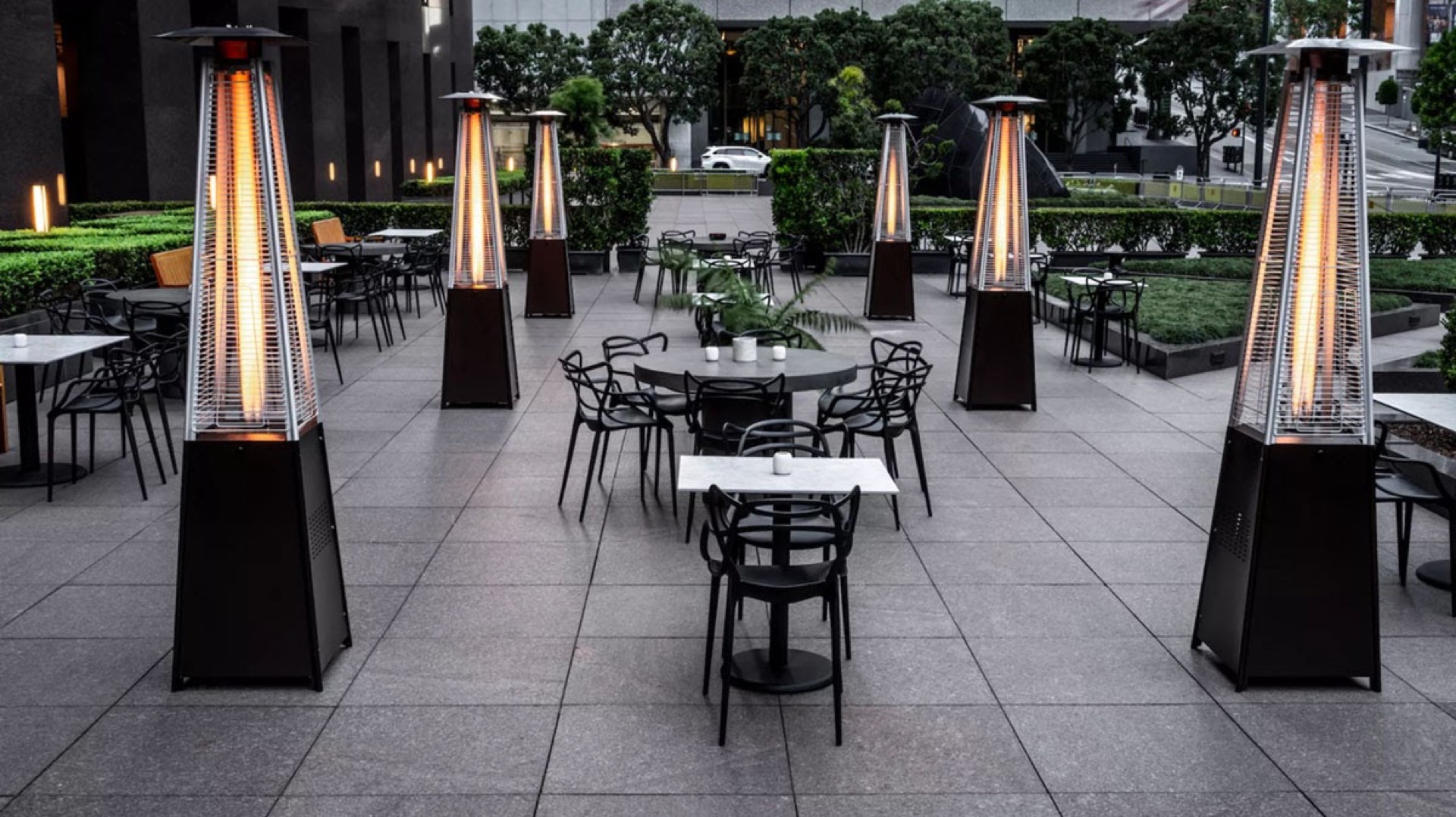
Many cities relaxed outdoor dining restrictions, allowing restaurants to temporarily use sidewalks, adjacent parking lots, and even street spaces to encourage outdoor dining.
In addition to outdoor dining, many restaurants focused on optimizing to-go orders by delivering orders curbside. They also introduced or expanded home delivery options by hiring new employees, furloughing employees, or using popular food apps like DoorDash and GrubHub.
According to research by the financial services company Rewards Network, 42 percent of the nation's restaurants added delivery options, and 31 percent said they planned to continue the service in the long term.
2. Engage with Customers on Social Media
It’s no surprise that results from a survey by Statista reveal that folks stuck at home during the pandemic spent more time on their social media accounts than ever before.
That statistic also explains why the restaurants that drew customers back in after the shutdowns were the ones that actively engaged with them online.
These establishments shared posts about new dishes and ordering options, and they highlighted changes that focused on safety, such as new hours and seating options.
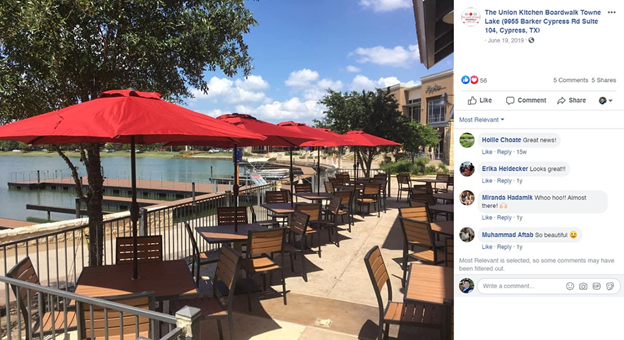
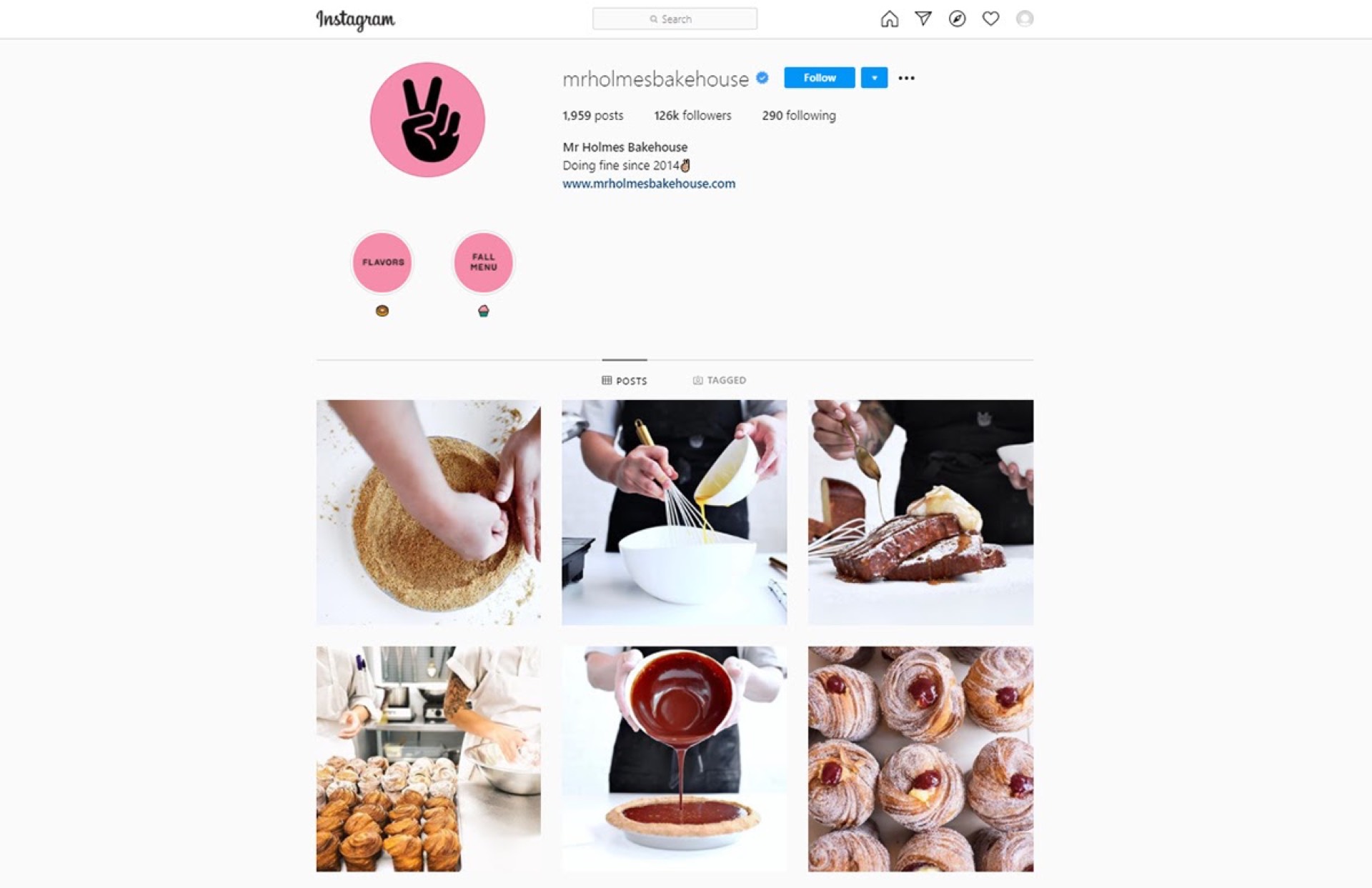
To keep their customers engaged, restaurants should post fresh new content on their Facebook and Instagram accounts and consider adding other platforms such as Twitter and YouTube.
These accounts will not only help attract new customers but will help encourage existing customers to reorder. A Buzzsomo study found that including images on Facebook increases engagement by 2.3X!

3. Build Loyalty with Rewards Programs
Today’s restaurant loyalty programs go way beyond the punch cards of the past.
They leverage social media accounts, phone numbers, and emails to track points and re-market to customers, reminding them to order more to earn that free meal or discount.
Building customer loyalty makes sense at any time, but it can be critical to a restaurant’s success today. Here’s why.
Attracting a new restaurant customer can cost up to five times more than retaining an existing one, and increasing customer retention rates by only 5 percent can boost your restaurant's profits by more than 25 percent, according to a research study by Bain & Company.
With many customers working from home, the added incentive of a loyalty program encourages them to place a pickup order or splurge on an outdoor meal at your business.
4. Attract Customers Using High-Quality Photography
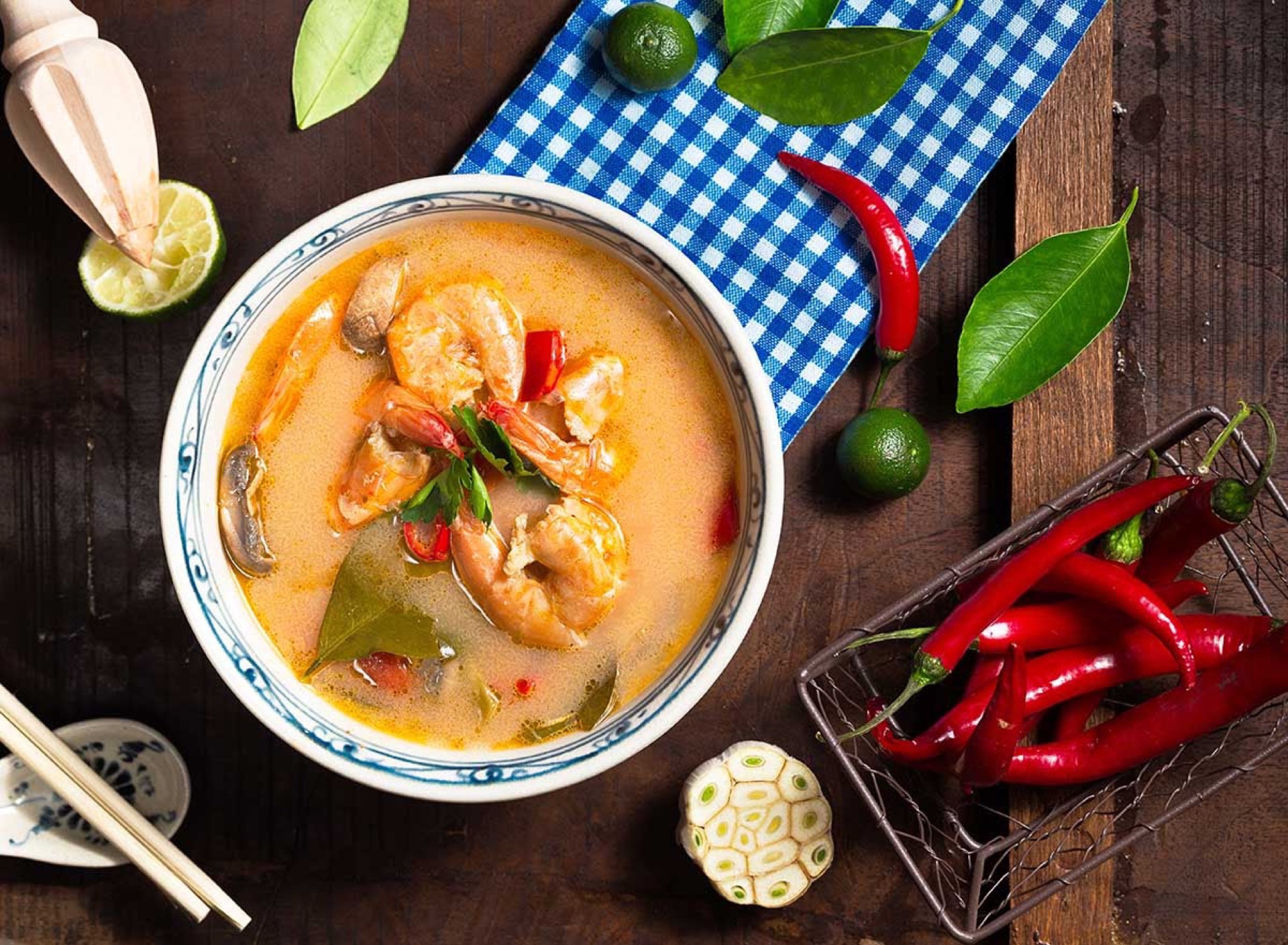
The common ingredient of implementing each of the previous strategies is the use of stunning photography.
Everyone has a camera in their pocket these days, but not everyone has the expertise to stage food and restaurant spaces to their best advantage.
That is why successful restaurants can attribute sales increases to their use of professional photographs. High-quality photos help build your brand identity.
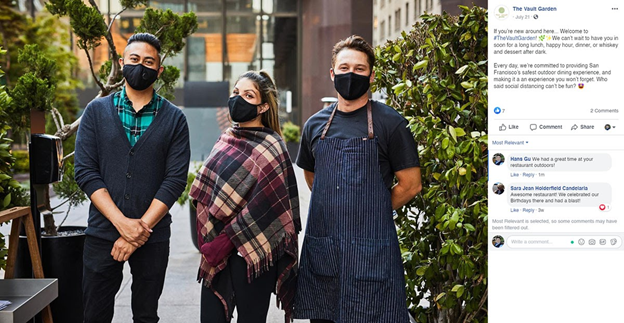
In our post-COVID world, professional photos also demonstrate that your restaurant is committed to health and safety.
Sure, you can list your health and safety precautions, but we are all becoming a little numb to the guidelines.
Images work better at conveying your message, since people tend to remember only 10 percent of what they read.
When you add an image, retention increases to 65 percent. So, why not let your professional photos do the talking as you show your staff wearing masks and disinfecting tables?
Using Menu Photography to Increase Online Orders
The key to getting more online orders is an irresistible menu with plenty of high-quality, professional food photos.
In fact, adding food photos to online menus is shown to increase online sales by at least 30 percent. Data from Deliveroo, the UK’s largest food delivery platform, shows that more online orders are going to restaurants that use more photos in their menus.

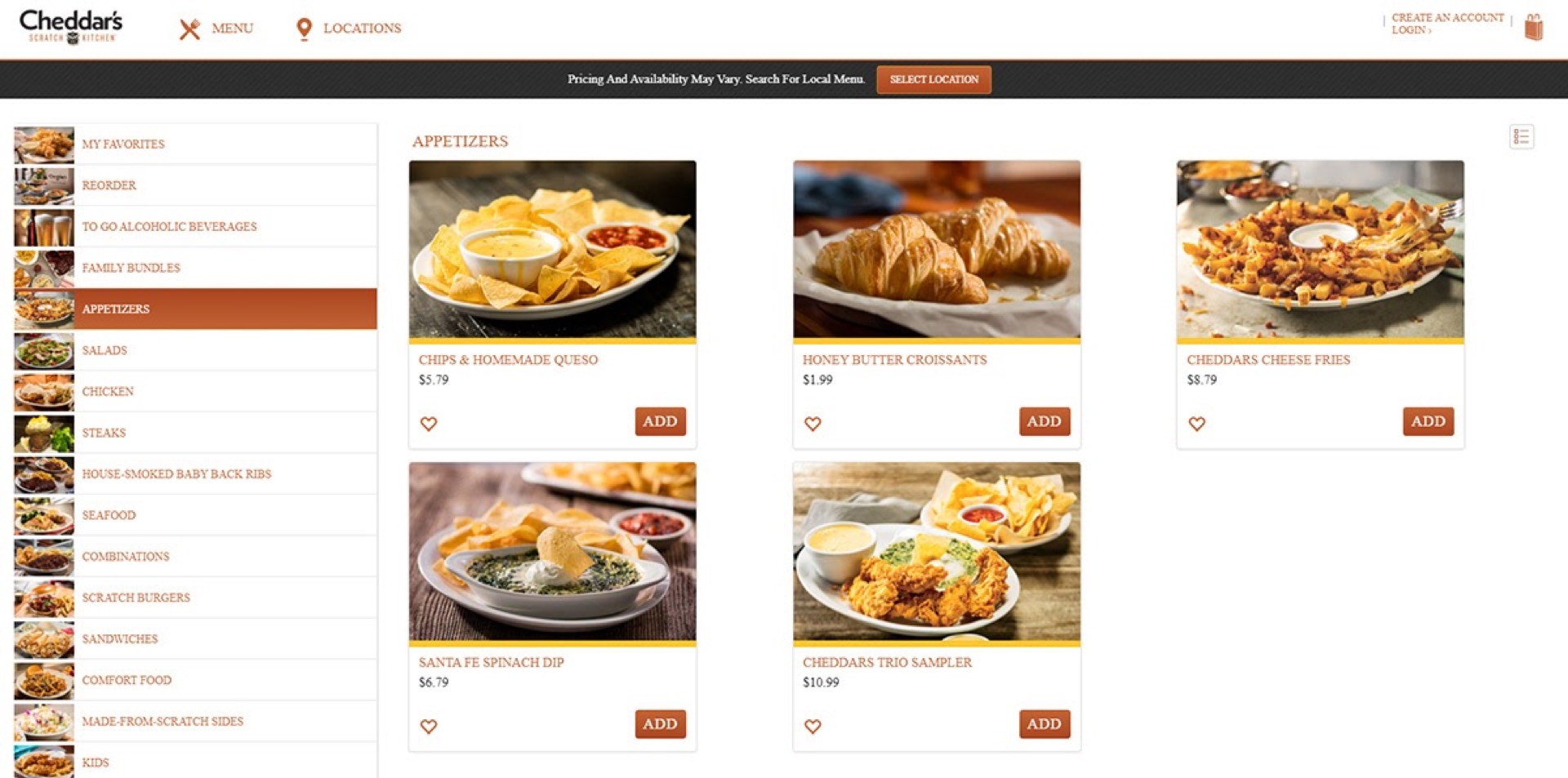
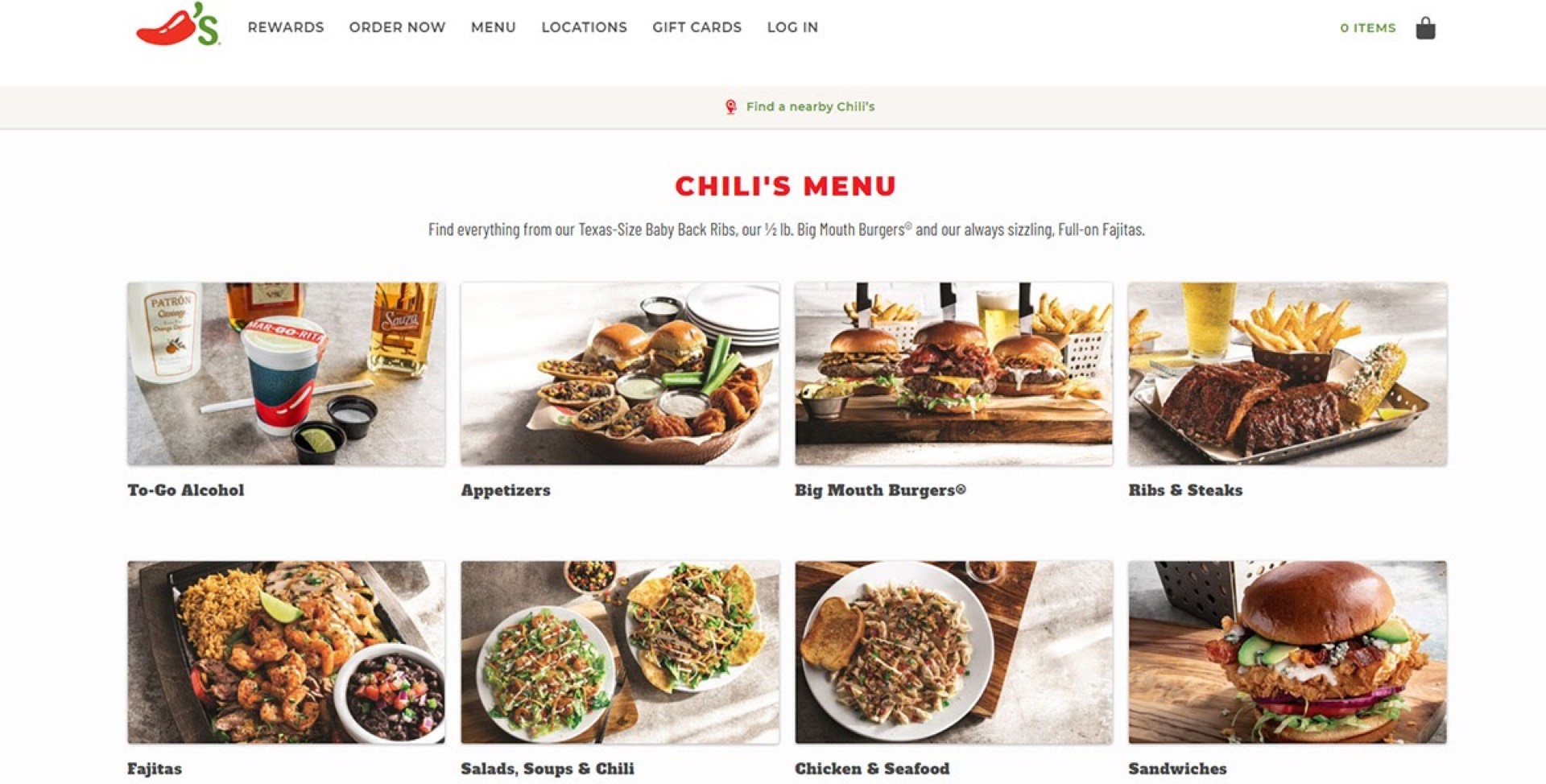
Many restaurants are making a big mistake by simply uploading a PDF of their physical menu without providing enough high-quality photos that are visually appealing.
Professional food photos are essential for a high conversion rate, and restaurants that don't use high-quality menu photos risk losing valuable online orders and customers. Take a look at these examples from some of the biggest brands that provide full photos on their online menus.
Having high-quality professional photos is now essential to getting online orders.
How can you find a professional photographer in your area? That’s easy with Snappr.
Snappr has the world’s largest network of trusted photographers, providing professional work on demand.
Photoshoots can be done anywhere, anytime — often with as little as 2 hours' advance notice.
And with the best-in-category tools and API, Snappr is the fastest and most effective way for companies to manage shoots at scale.
Best of all, every Snappr shoot is professionally edited by a single in-house team, resulting in high-quality images that are always consistent with your brand.
Take Your Restaurant to the Next Level
Ready to take your restaurant to the next level and make a real impact on your bottom line? Contact Snappr’s Enterprise Team today to learn how we can boost your restaurant’s brand with professional photography that is second to none.


