
Matching white tees had their moment
The shoot is booked. Now comes the part nobody warns you about: getting four, five or seven people into outfits that look good together, without anyone crying in the car.
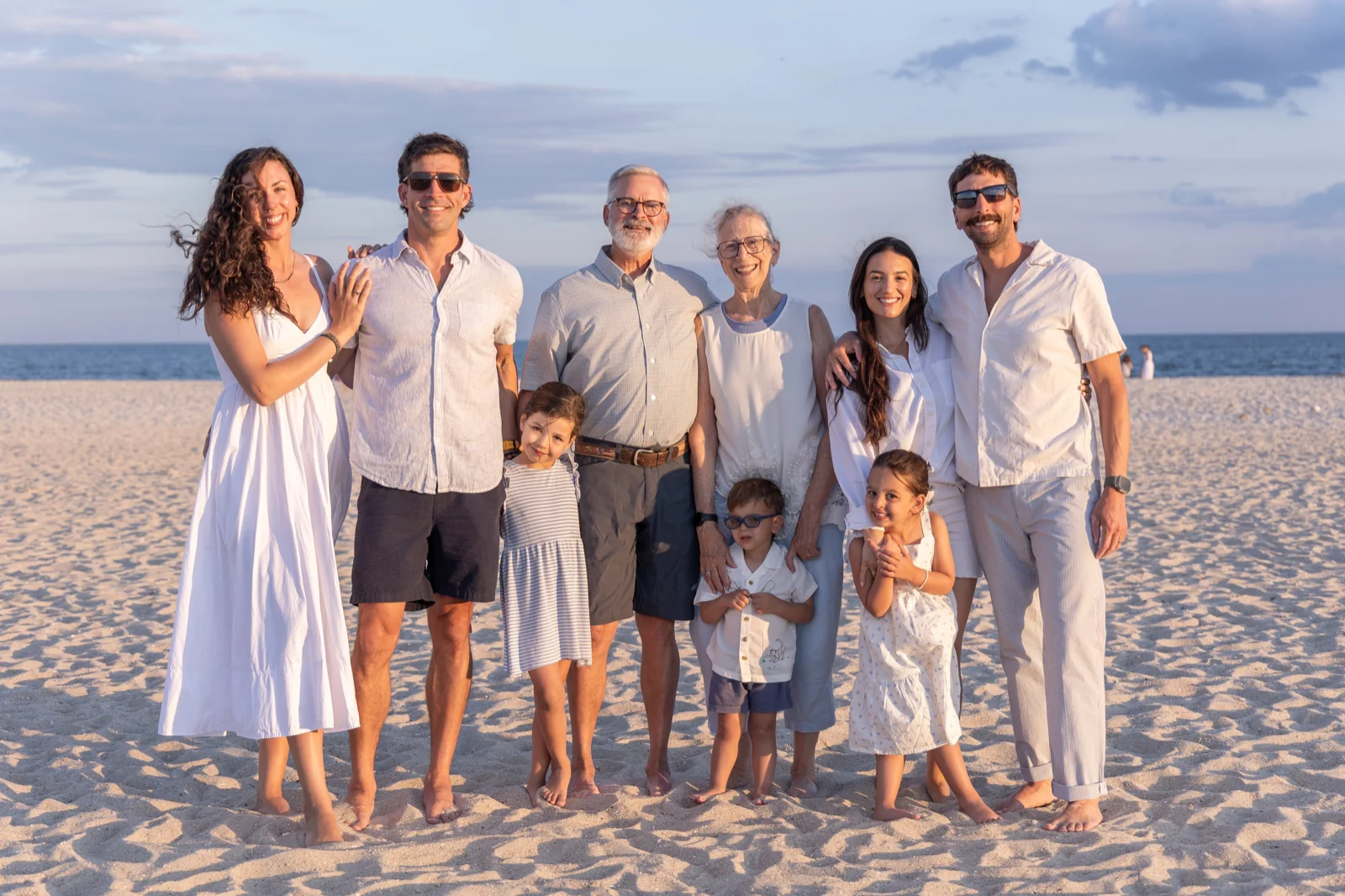
Here's the thing. The photos that look effortless are rarely matchy. Everyone wears something different, and it still reads as one family because the colors agree with each other. Here's the method, five palettes to copy, and the rules for patterns, kids and seasons.
Pick a palette, not a uniform
Start with three or four colors and give everyone a piece of it. One neutral base (cream, gray, tan or navy), one or two main colors and a small accent is plenty.
The easiest way to build it is to start with the hardest outfit. Usually that's a patterned dress or the one shirt your teenager will agree to wear. Pull your colors from it, then fill in everyone else. Lay the outfits out on a bed and take a phone photo. If one piece jumps out, swap it.
Five family photo outfit ideas by palette
• Soft neutrals: cream, oatmeal, camel and white. Calm and timeless. Pantone named Cloud Dancer, an airy white, its Color of the Year 2026, and warm whites like it work far better on camera than stark optic white.
• Earth tones: rust, olive, mustard and chocolate brown. Made for fall fields and wooded trails.
• Jewel tones: emerald, burgundy, sapphire and a gold accent. Rich against winter backdrops or city streets.
• Pastels: blush, powder blue, lavender and butter yellow. Spring gardens and beach sunsets.
• Denim and white: chambray, mid-wash jeans, crisp tops and one pop of red or mustard. The low-effort classic.

One pattern per photo, and texture everywhere else
Give one person the statement print and keep everyone else in solids pulled from it. If you want a second pattern, change the scale: a large floral next to a thin stripe works, two busy florals fight.
Very fine stripes and tight checks are worth skipping. Nikon notes that subjects with a fine regular pattern, like woven textiles, are more likely to show moiré, a wavy false pattern the camera sensor creates on top of the real one.
Texture fills the gap. Chunky knits, corduroy, linen, suede and lace add depth to a neutral palette without adding noise.
Dressing babies, toddlers and teens
Babies: comfort wins. The American Academy of Pediatrics' HealthyChildren.org suggests dressing a baby in one more layer than you'd wear to be comfortable in the same setting, so plan a removable cardigan or blanket rather than one heavy outfit. Soft knits and bare feet photograph beautifully.
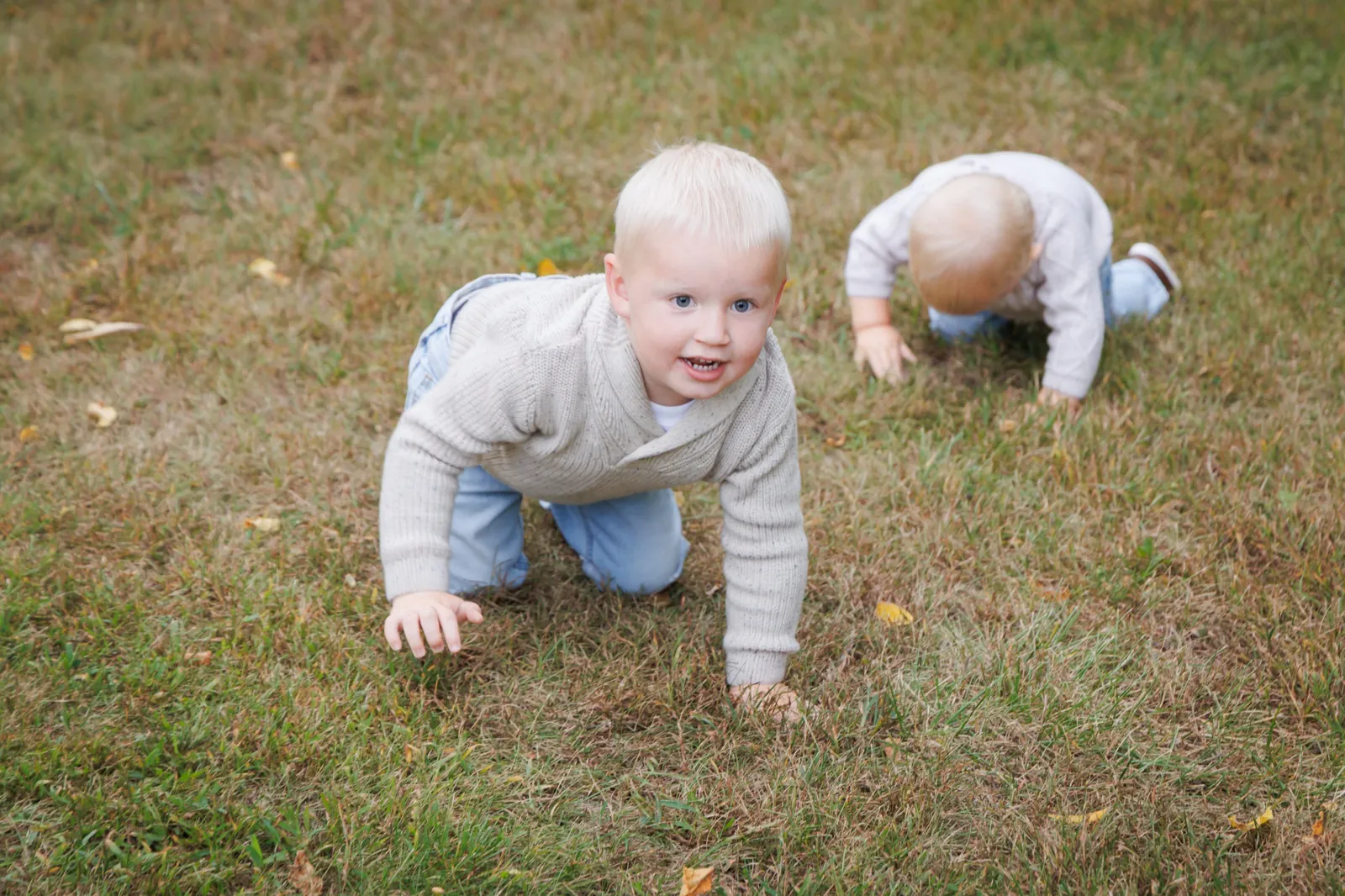
Toddlers: pick clothes they can run, sit and climb in. If your child has sensitive skin, the UK's National Eczema Society says cotton (preferably 100%) is the most commonly recommended fabric, while wool and synthetics can trigger itching. An itchy kid is a kid who won't sit still.
Teens: let them choose within the palette and they'll look like themselves, not hostages. If you're stuck on the individual pieces, our guide on how to pick outfits for a photoshoot covers fit and fabric in more detail.
Outfits by season and setting
Fall: earth tones, layered knits and boots.
Winter: jewel tones, wool coats for the adults (cotton underneath for the kids), scarves in your accent color.
Spring: pastels and light florals, with a denim jacket in case the wind picks up.
Summer and beach: linen, white and sand tones, bare feet. HealthyChildren.org says babies under 6 months should be kept out of direct sunlight, so book shade or bring a brimmed hat and light long sleeves. Timing matters too: our breakdown of the best and worst light for outdoor photos covers golden hour and when to book.
City or home: darker and tailored on the street, softer and cozier on the sofa.
What to leave in the closet
• Logos, slogans and characters. They pull the eye and date the photo.
• Neon. It reflects color onto skin and overwhelms everything around it.
• Busy all-over prints on more than one person.
• Brand-new or pinching shoes. Everyone walks between setups.
• Anything that needs constant tugging, like short dresses on a windy hill.

Hand the camera to someone who does this every week
Coordinating outfits is your job. Making them look good is the photographer's. A family photographer knows where to put the patterned dress and how to pose a wriggling toddler. If you're still weighing what a session should look like, our overview of family photography services walks through the options.
Snappr matches you with a vetted family photographer near you. According to Snappr's booking page, shoots start from less than $100, can be booked with as little as 2 hours' notice, and edited photos arrive within 48 hours. Book a family photoshoot with Snappr and send the outfit photo to your photographer before the day.
Frequently Asked Questions
What colors look best for family photos?
Neutrals, earth tones, jewel tones, pastels and denim with white all photograph well. Choose three or four colors, keep one as a neutral base, and let every outfit draw from that set.
Should families match in photos?
Coordinating looks better than matching. Identical outfits flatten the frame, while a shared palette with different pieces, cuts and textures looks natural and still reads as one family.
What should you not wear for family pictures?
Skip logos, slogans, neon, very fine stripes and uncomfortable shoes. Limit bold prints to one person so the photo has a single focal point.
How do you dress a baby for family photos?
Choose soft, comfortable layers you can add or remove. HealthyChildren.org suggests one more layer than an adult would wear in the same conditions, and keeping babies under 6 months out of direct sun.
Sources
1. Pantone Color of the Year 2026: Cloud Dancer: Cloud Dancer named Color of the Year 2026, described as a white hue
2. Nikon USA, Moiré and False Color: fine regular patterns such as woven textiles are more prone to moiré
3. HealthyChildren.org (American Academy of Pediatrics), Tips for Dressing Your Baby: one more layer than an adult would wear
4. HealthyChildren.org (American Academy of Pediatrics), Summer Sun, Heat and Air Quality: babies under 6 months kept out of direct sunlight; lightweight clothing and brimmed hats
5. National Eczema Society, Clothing and eczema: cotton (preferably 100%) most commonly recommended; wool and synthetics can trigger irritation


