
Why flat lay photography became the default product shot
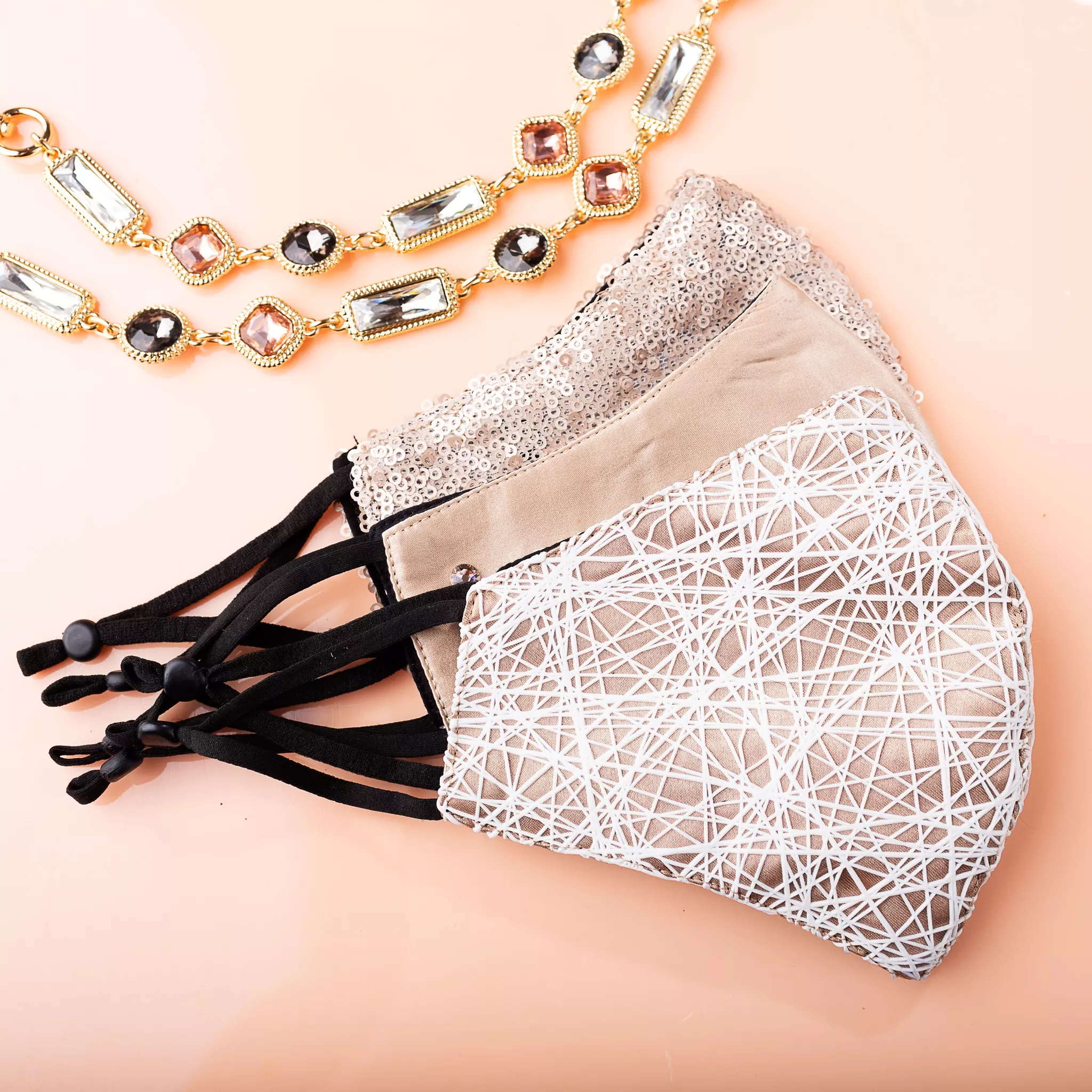
A shopper lands on your product page. Before a word of your description registers, the image has done its work. Your brain processes images in as little as 13 milliseconds and holds more than 2,000 of them with 90% accuracy over a week. The photo is the argument. Everything else is the footnote.
That is why the flat lay became the default shot for anything small enough to sit on a table. Shot from directly overhead, it gives you total control of the frame. Nothing hides behind anything else, and every item sits the same distance from the lens, so scale reads honestly. That matters: an estimated 19.3% of online sales will be returned in 2025, and a good slice of that is people opening a box that looks nothing like the picture.
Flat lays reward preparation far more than gear. Here is the prep, the setup and three arrangements that earn their place.
Do the boring work before the camera comes out

Most weak flat lays are preparation failures, not lighting failures.
Start with the surface. A flat lay is mostly background by area, so this is the biggest decision you make. Neutral linen, raw plywood, matte board and unpolished stone all photograph well because they add texture without competing. Skip anything glossy, which throws reflections back into your lens.
Then clean everything. Overhead shots are unforgiving, and lint, fingerprints and dust all show once the shot is lit and enlarged on a phone screen.
Finally, decide what the picture says. Adobe's guide frames flat lays as stories: a recipe story, a product story or a "what's in my bag" story. Pick one before you arrange anything. Pretty objects with no idea behind them read as clutter.
Get the camera level, then light it with one window
You need two things: a way to hold the camera steady and square above the scene, and one good light.
Adobe recommends a tripod that can face downward with a small bubble level, or a C-stand for larger setups. Level is not optional. A flat lay two degrees off axis looks subtly wrong in a way viewers feel but cannot name. Tethering pays for itself fastest, letting you adjust settings and see results without taking the camera off its rig.
For light, The School of Photography puts the rule plainly: the softer and brighter the light, the better, and a large window works perfectly as your main light source. If the sun is harsh, soften it with net curtains or chiffon fabric, then bounce light back into the shadows with white polystyrene, white card or a silver reflector.
One soft source plus fill. Two hard lights produce crossed shadows, which make a considered arrangement look accidental.
Composition rules that make a flat lay read

Turn on your camera's grid guide and align key items to the cross-hairs, which puts you on the rule of thirds without guesswork. Four habits do the rest:
• Leave real negative space. Filling the frame edge to edge removes the breathing room that makes an arrangement look designed.
• Group in odd numbers. Threes and fives settle the eye; pairs read as a comparison.
• Vary height slightly. A folded cloth under one item stops the frame going flat.
• Include something of known scale. A hand, a coin, a familiar object. That is your returns fix.
Photographer Doaa Elkady notes that a larger scene can be cropped into micro scenes, so the content goes further. One setup, one hero image, three social crops.
Three arrangements that consistently work
Ingredients and outcome. The finished dish in one corner, raw components fanned around it. Food suits the technique because it shows the promise and the proof in one frame.
Apparel laid flat. Sleeves shaped, folds set, shot square to the grid. Flat lay clothing photography lives or dies on steaming the garment first.
The kit shot. Related objects around one hero item: tech accessories, travel gear, a skincare routine. It sells context rather than a single product.
When one good flat lay is not the problem
Shooting a beautiful flat lay is a pleasant afternoon. Shooting four hundred, matched for surface, colour temperature and crop, across a catalogue that turns over monthly, is an operations problem wearing a photography costume.
Our breakdown of return rates and the cost of bad photos covers what drift does to a catalogue, and the product photography pricing guide sets out what coverage costs per shot. Snappr handles the version that no longer fits on your kitchen table: vetted photographers shooting to a fixed brief, so item four hundred matches item one.
Book a professional photography session with Snappr and get your flat lays shot to a consistent standard.
Frequently asked questions
What is flat lay photography?
Flat lay photography is a still life technique where objects are arranged on a flat surface and photographed from directly overhead. Adobe describes it as a bird's-eye, top-down perspective. It suits food, apparel, cosmetics and product photography because it gives complete control over the composition.
What equipment do I need for flat lay photography?
A camera or phone, a tripod that points straight down with a bubble level, and one soft light source. A white foam board and a tethering cable are the two cheapest upgrades that most improve results.
How do you light a flat lay?
Use one soft light and a bounce board. Position the arrangement near a window with a reflector opposite to fill the shadows, or use a diffused artificial light angled down toward the setup. Avoid two hard sources, which create crossed shadows.
Why do my flat lay photos look flat and boring?
Usually because everything sits at the same height on a busy surface. Add elevation under one or two items, leave more negative space at the edges, and switch to a neutral matte surface.
Sources
1. Shopify, How To Test Product Images: 6 Photography A/B Tests To Run — image processing speed and recall accuracy
2. National Retail Federation, 2025 Retail Returns Landscape — share of online sales returned in 2025
3. Adobe, Flat lay photography: a beginner's guide — technique, equipment and composition guidance
4. The School of Photography, Flat Lay Photography — lighting rules and reflector guidance


