
The secret is being reliable
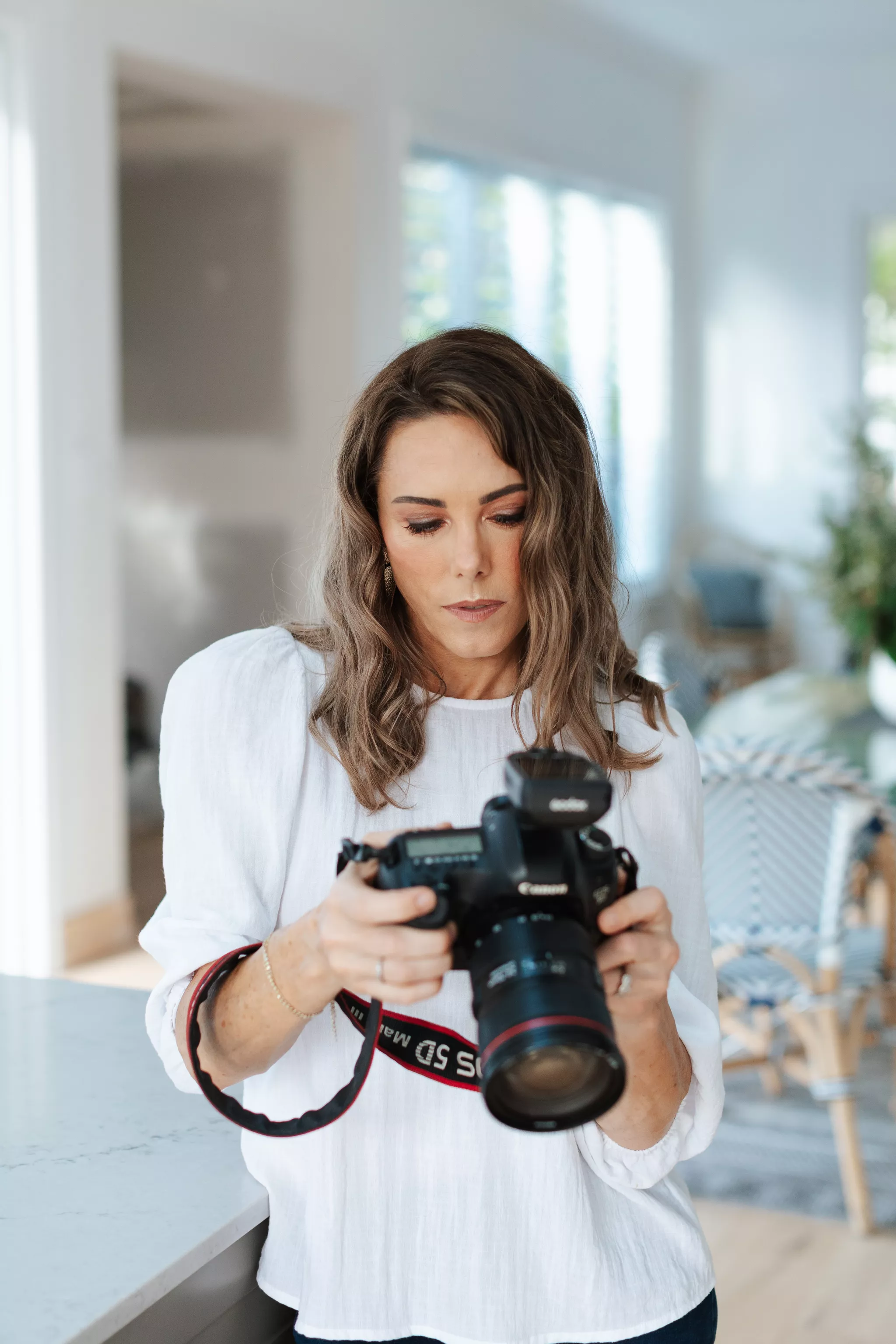
Most photography niches ask you to be interesting. Real estate asks you to be reliable. The agent has a seller expecting the listing to go up this week, a brokerage deadline, and no appetite for a photographer who wants three days to find their voice. Deliver clean, bright, honest rooms on time and you will get booked again next month, because that agent has another house.
That repeat cycle is what makes the niche worth entering. The customer base is large and habitual: 88% of buyers purchased their home through an agent or broker according to the National Association of REALTORS. Every one of those transactions started with a listing that needed pictures. Matterport's read of the sector puts US real estate photography revenue at an estimated $268.3 million in 2024.
The wider picture is more sober, and worth knowing before you quit anything. The Bureau of Labor Statistics puts median pay for photographers at $44,660 per year, or $21.47 per hour in 2025, with employment projected to decline 1 percent from 2025 to 2035. Even so, about 10,700 openings are projected each year, and BLS notes that many photographers are self-employed. The work is there for people who treat it as a business.
Buy the tripod before you buy the camera body
Real estate rewards stability and coverage over sensor bragging rights. Adobe's guide to the discipline is blunt about the basics: a tripod, extra batteries and backup storage are essential.
For glass, a focal length starting at 14mm or 16mm lets you capture a whole room with minimal distortion. Real estate photographer Jillian Lancaster adds a second lens to the bag: "Bring your wide-angle lenses, but also carry a macro lens for detail and close-up shots." Details sell. A tap, a fireplace tile, a window latch.
Outside, a 24mm to 70mm zoom is fine for most houses. When you can justify it, a tilt-shift lens keeps vertical lines such as walls, doorways or pillars straight instead of leaning when you tip the camera up at a two-storey facade.
Four settings that do most of the work
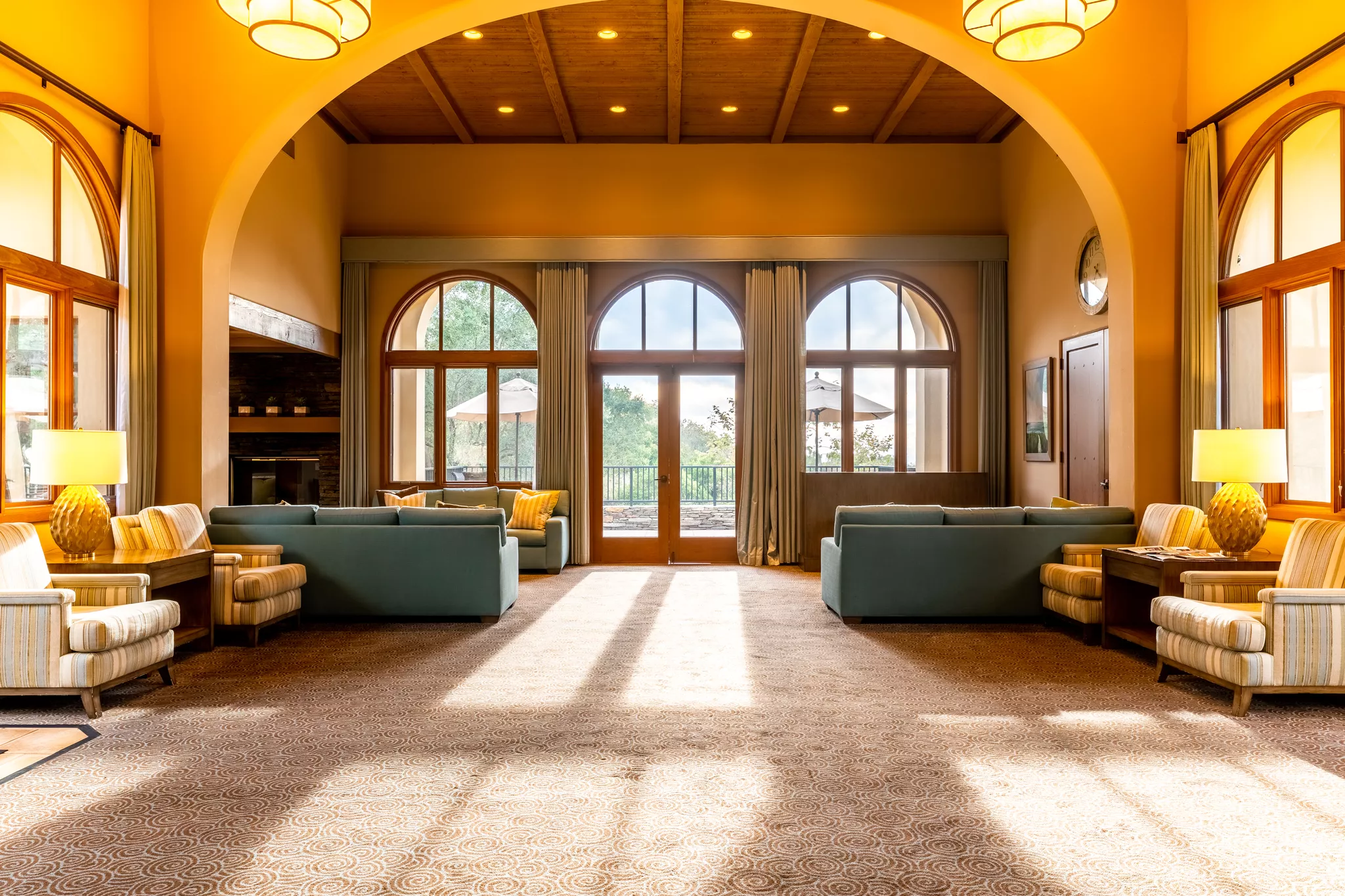
Interiors are a lighting problem more than a composition problem, and the same handful of settings solves most rooms.
Aperture: stick with f/8 to be sure every part of the room is in focus, opening wider only in unusually deep spaces.
Shutter: in dark interiors, anywhere between 1/60 and half a second lets in the light your overheads cannot.
ISO: keep it below 400 for clean, well-lit pictures. That is what the tripod is buying you.
Bracketing: this is the technique that separates amateurs from working pros. Photographer Crosby Dove frames the problem exactly: "If you were to look out the window, you could still see inside the room that you're in as well as outside. Cameras can't do that on a single exposure." Shoot the same framing at several exposures and merge them so the room and the view outside both hold detail.
Shoot the house honestly
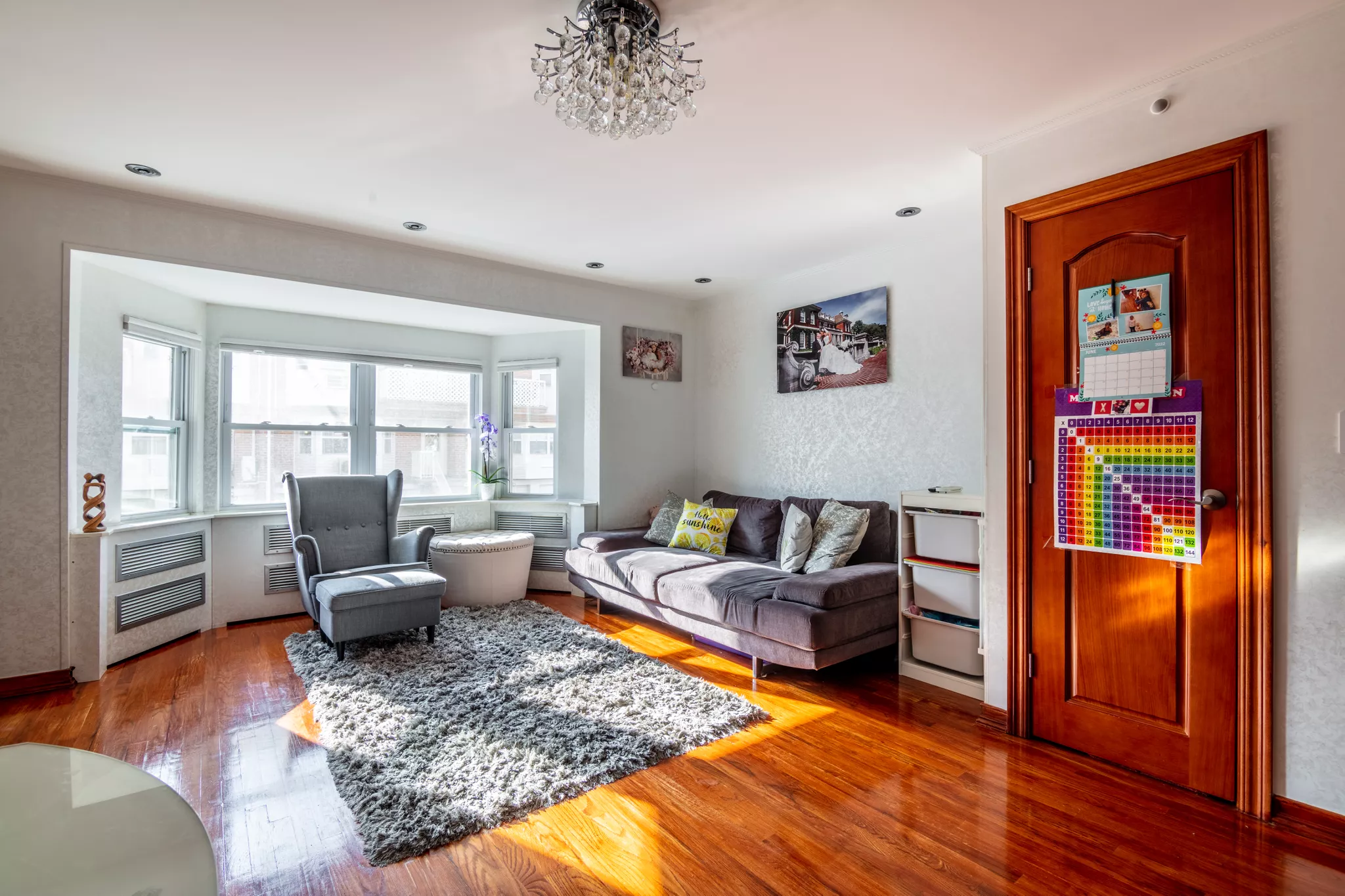
New real estate photographers reach for the flattering angle. Resist it. Photographer Gregory Boone describes the tell: "If you're in a kitchen, and your camera is up high pointing down, it feels like you're trying to make that kitchen look bigger than it is." Buyers read that instantly, and it costs the listing trust.
Level camera, honest focal length, real rooms. It also protects your client, which is how you keep them. Our guide to real estate photography goes deeper on shot lists and room order, and the numbers behind the craft are in our piece on how professional real estate photography helps homes sell 32% faster.
Finding the first clients is the actual hard part
The craft takes weeks. The pipeline takes years. Most new real estate photographers underestimate how much of the job is sales: cold-emailing agents, sitting in brokerage meetings, chasing invoices, covering the gaps when a listing cancels on the morning of the shoot.
There is a shortcut. Platforms that already hold the enterprise relationships send you the work instead. Snappr books shoots for property managers, brokerages and listing platforms across the country, and photographers on the network get jobs routed to them with the brief, the address, the shot list and the payment terms already settled. No cold outreach, no chasing.
If you have the tripod, the wide lens and a portfolio of rooms you are proud of, apply to shoot with Snappr and get booked shoots in your area.
Frequently asked questions
How do you become a real estate photographer with no experience?
Start by photographing rooms you have access to, including your own home and those of friends, until you have eight to ten clean, bracketed, level interiors. Learn exposure merging in Lightroom. Then approach local agents with that portfolio, or apply to a platform that supplies bookings so you build volume while you build a client list.
How much do real estate photographers make?
The Bureau of Labor Statistics puts median pay for photographers generally at $44,660 per year, or $21.47 per hour, in 2025. Real estate photographers typically charge per listing rather than per hour, so earnings depend heavily on how many shoots you complete per week and your local market rates.
What equipment do you need for real estate photography?
A camera body, a wide-angle lens starting around 14mm to 16mm, a sturdy tripod, extra batteries and backup storage. A macro lens for detail shots and a 24mm to 70mm zoom for exteriors round out the kit. A tilt-shift lens is a later upgrade for correcting vertical distortion.
Do you need a licence to be a real estate photographer?
No licence is required to photograph property interiors in the United States. Flying a drone commercially is different: that requires an FAA Part 107 remote pilot certificate. Many photographers also carry liability insurance, which brokerages sometimes ask to see before a shoot.
Sources
1. U.S. Bureau of Labor Statistics, Occupational Outlook Handbook: Photographers — median pay, employment projections and annual openings
2. National Association of REALTORS, 2025 Profile of Home Buyers and Sellers — share of buyers purchasing through an agent or broker
3. Matterport, How to Start a Real Estate Photography Business — sector revenue estimate
4. Adobe, Real estate photography — equipment, camera settings, bracketing and angle guidance


