
The visit still closes the sale
Every argument about retail being dead runs into the same wall: people keep showing up. E-commerce accounted for 16.9 percent of total US retail sales in the first quarter of 2026, per the Census Bureau. The overwhelming majority of retail spending still lands in a physical location.
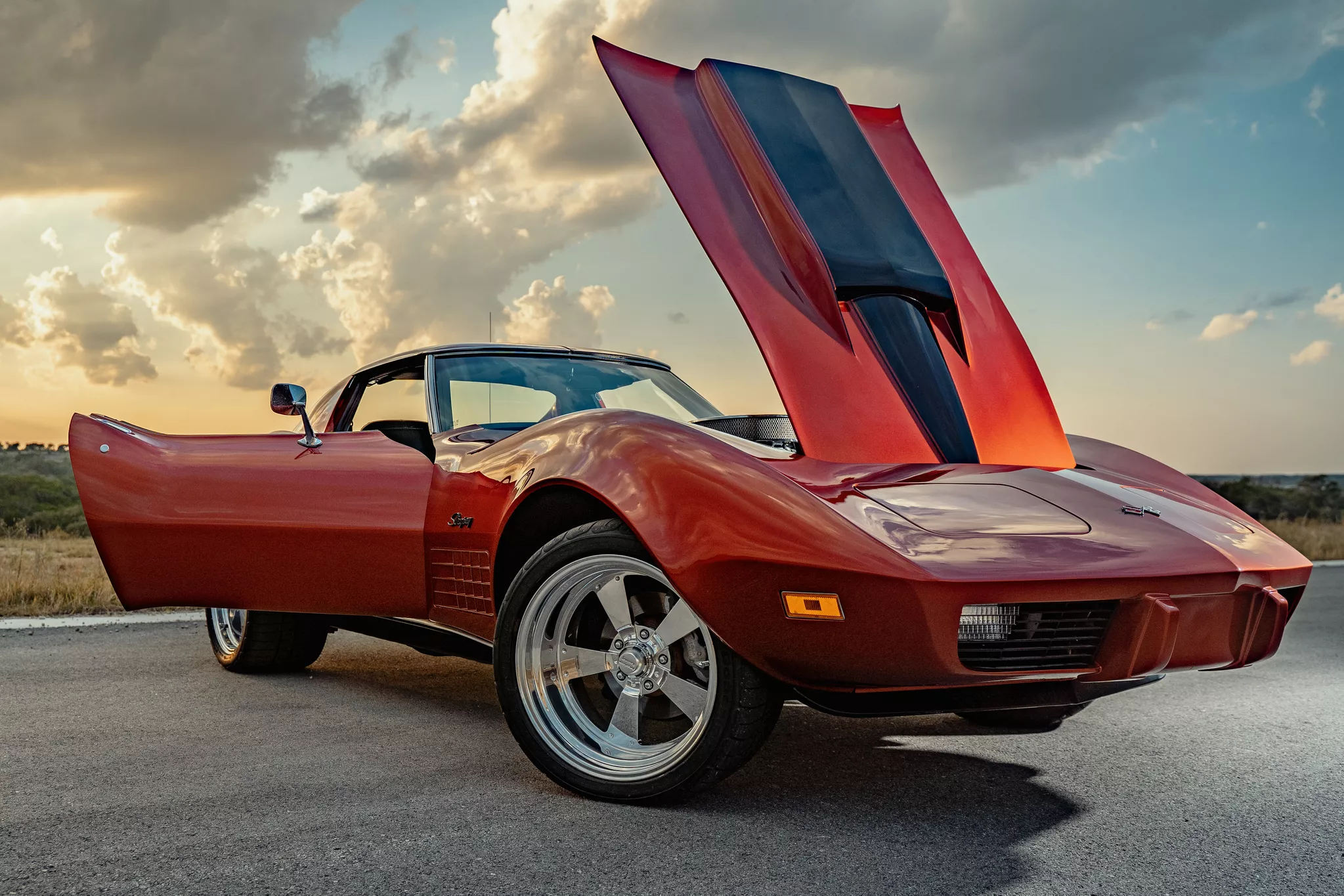
Cars make the point sharpest. CarGurus' 2025 Consumer Insights Report found that 86% of shoppers still choose to see the vehicle in person before buying, and that 61% visited two or more dealerships in 2025, up from 54% in 2024. Comparison shopping between physical locations is increasing, not declining.
So your showroom competes with the one eleven minutes away, entirely on a screen, before either of you knows a shopper exists.
Where the decision actually gets made
Cox Automotive's 2025 Car Buyer Journey Study clocked the average buyer at 13 hours and 13 minutes of total shopping time, of which 7 hours and 11 minutes went to researching and shopping online. More than half the process happens before anyone walks in. Cox also reported that 53% of buyers completed all steps of the purchase at the dealership while only 7% bought completely online.
Read those together and the role of showroom photography is obvious. Seven hours of screen time decides which locations earn a visit. Then the visit closes the deal. The photos are the funnel's front door.
Furniture behaves the same way. A 2026 consumer study by 3D Cloud, surveying 400 US furniture purchasers who had spent $500 or more in the past six months, found 42% shop both in-store and online and 33% shop in-store only. Three quarters of furniture buyers put a physical store somewhere in their path.
What makes showroom photos work
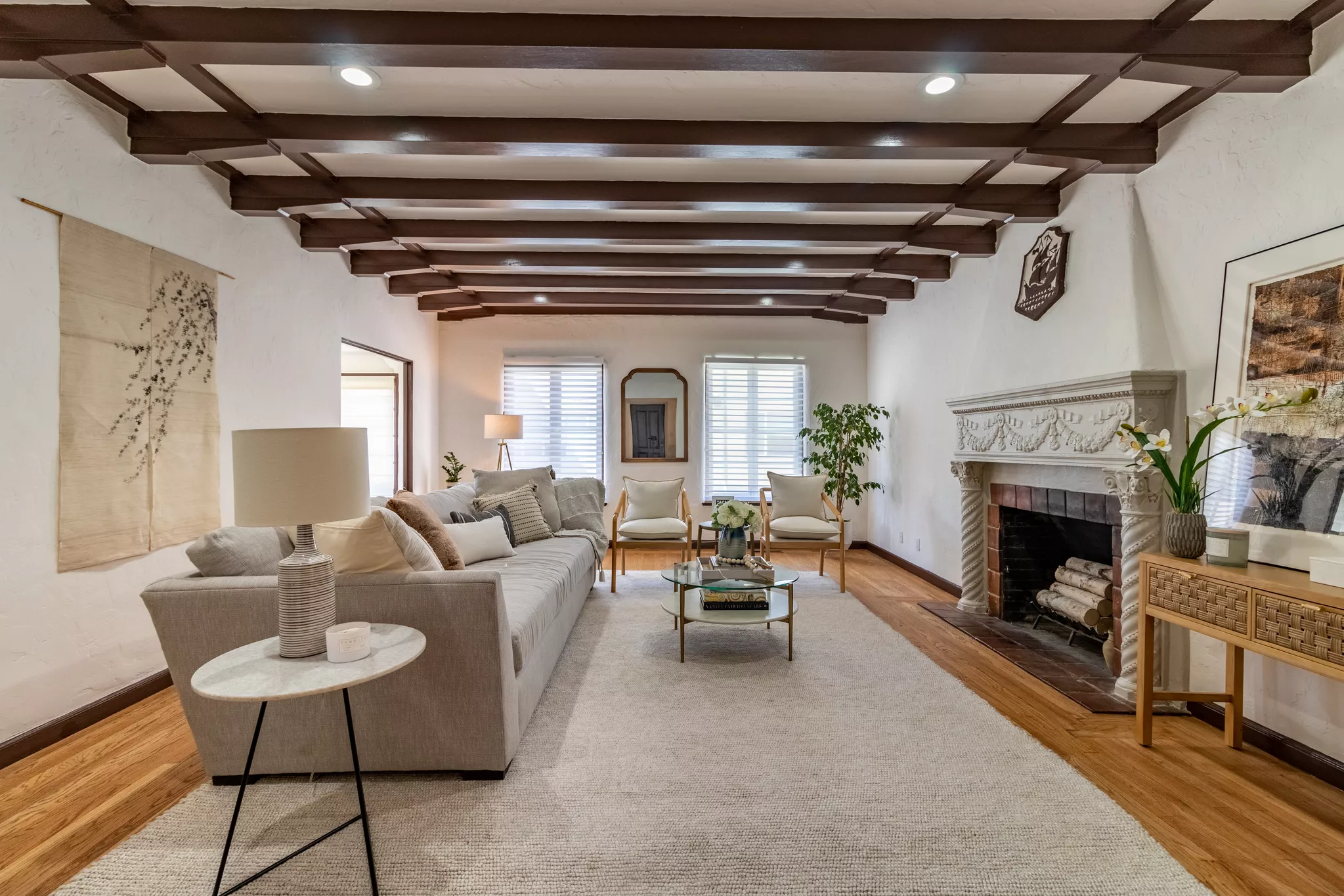
Most showroom galleries fail the same predictable ways. Shot at midday with the sun blowing out the glass. Shot on a phone at standing height, which flattens the space and tilts every vertical. Empty floor instead of product in context. And three years old, so the shopper who visits walks into a room that does not match the pictures.
What works instead:
• Dusk exteriors with the interior lights burning. The most effective frame a showroom can own.
• Wide-angle interiors shot low, around chest height, with verticals corrected. Standing height makes a showroom look like a warehouse.
• Product-in-context frames, not catalog isolations. The sofa in the styled room, the vehicle under display lighting.
• Detail and craft shots. Stitching, finish, badge, hardware. These make a room feel worth driving to.
• A refresh schedule tied to your floor plan, not to whenever someone notices.
Quality itself is measurable. The clearest study isolating it comes from outside retail: an academic analysis of Airbnb listings found rooms with verified photos were booked 9% more often, and that high photo quality specifically was worth an extra $2,455 in yearly earnings. Different industry, same mechanism.
Reviews and photos also travel together. BrightLocal's 2026 Local Consumer Review Survey found 31% of consumers visit a business location after reading positive reviews, and that 36% rate a photo or video attached to a review among the things that make it trustworthy. Imagery is doing work on your listing whether you commissioned it or not.
Doing it across every location
One showroom is a booking. Forty showrooms across nine states, each needing the same angles, dusk timing, and output specs so a regional page does not look like a patchwork, is an operations problem. Local sourcing means renegotiating quality, licensing, and turnaround every time.
Snappr covers 95% of US geography and 90% of the English-speaking world, with shoots bookable in minutes on as little as 24 hours' notice. Your shot list and style guidelines are written once and applied automatically at every location, so store 3 matches store 31. Edited galleries return within 48 hours, and the automotive team can push finished assets into your DMS, listing feeds, or CMS by API. Our breakdown of what professional photography does to car detail page views and the four fixes for a dealer's gallery cover the tactical side.
Visual discovery is getting literal about this. Google reports that Lens handles over 20 billion monthly visual searches, with 1 in 4 carrying commercial intent. Shoppers are searching with pictures. Give them yours.
Talk to Snappr's Enterprise team about showroom coverage that runs to one standard across every location you operate.
Frequently asked questions
What is showroom photography?
Showroom photography is professional commercial photography of a retail or dealership floor, covering wide interiors, exterior and dusk frames, product in context, and craft details. It is used on location pages, listing sites, Google Business Profiles, and paid campaigns to earn an in-person visit.
What is the best time of day to shoot a showroom?
Dusk, for exteriors, with all interior lighting on. The balance between fading daylight and interior glow is what makes a building look open and worth visiting. Interiors can be shot at any hour with controlled lighting, though window light is easiest to manage outside midday.
How often should showroom photos be updated?
Whenever the floor plan, inventory mix, or fit-out changes materially, and at minimum every 18 to 24 months. Photos that do not match what a shopper walks into are worse than none, because they break trust on arrival.
Does showroom photography work for non-automotive retail?
Yes. Furniture, appliance, kitchen and bath, flooring, and B2B equipment showrooms rely on the same mechanism: a shopper researches online, then decides which location earns the trip. The shot list changes, the logic does not.
How do multi-location brands keep showroom photography consistent?
By defining a written shot list and style spec once, then applying it to every shoot automatically rather than briefing each photographer individually. Consistency across locations is what makes a regional or national store finder look like one brand instead of forty independent businesses.
Sources
1. US Census Bureau, quarterly e-commerce retail sales — e-commerce share of total US retail sales
2. CarGurus 2025 Consumer Insights Report — in-person vehicle viewing and multi-dealership visits
3. Cox Automotive 2025 Car Buyer Journey Study — total and online car shopping time
4. Cox Automotive, Car Buyer Journey findings — where buyers complete purchase steps
5. 3D Cloud Furniture Shopping Trends Study, 2026 — in-store and online furniture shopping behavior
6. ICIS 2016, image aesthetic quality and demand — verified photos, photo quality and earnings
7. BrightLocal Local Consumer Review Survey, 2026 — review-driven store visits and trust in accompanying photos
8. Google, retail marketing insights — Google Lens monthly visual searches and commercial intent


