
How long does real estate photography take?
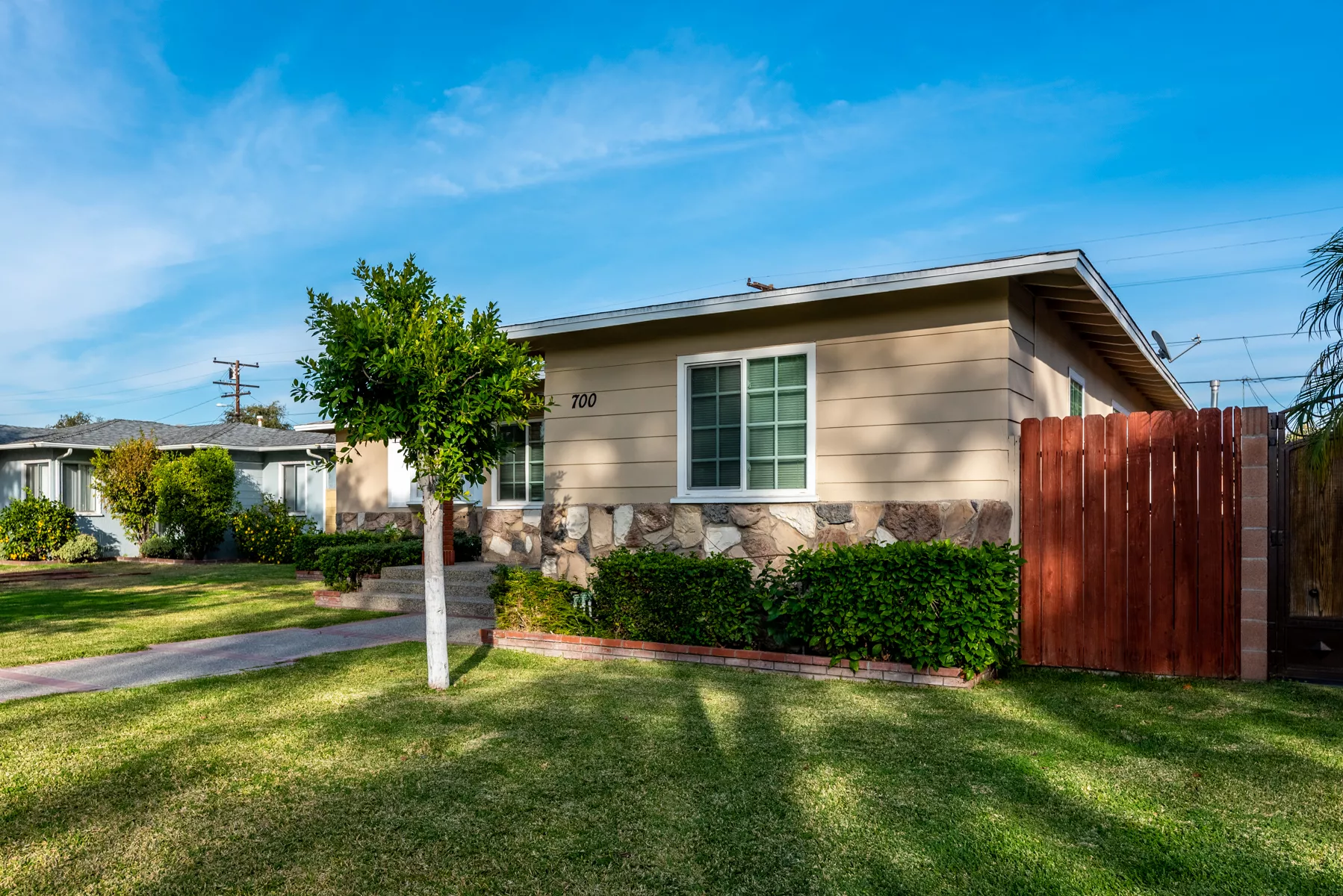
The median real estate photography turnaround time is 6.3 days from booking to delivered gallery. Inside that cycle, the median gap between booking and the shoot is 4 days, and the median time from the shoot starting to a submitted, edited gallery is 42 hours. These figures come from Snappr's own booking data from over 12,000+ completed US real estate shoots.
In practical terms: a listing photographed on Friday morning typically has edited photos back by Sunday, and an agent who signs a seller on Monday can usually have finished images in hand before the following weekend.
That is the fastest turnaround of almost any photography category. The pressure is structural rather than incidental — photos have to exist before a listing can go live, and listings are rewarded for going live fast.
Real estate photography turnaround time vs other photography verticals
Across 17 photography categories with at least 1,000 completed US shoots since January 2024, real estate has the shortest median cycle from booking to delivered gallery.
Real estate sits at the top of the league table, and the runner-up is almost a whole day away from it. The lead-time gap is wider still: 4 days from booking to shoot in real estate, against 9 days for corporate events and 25 days for weddings.
Why real estate has the tightest turnaround in photography
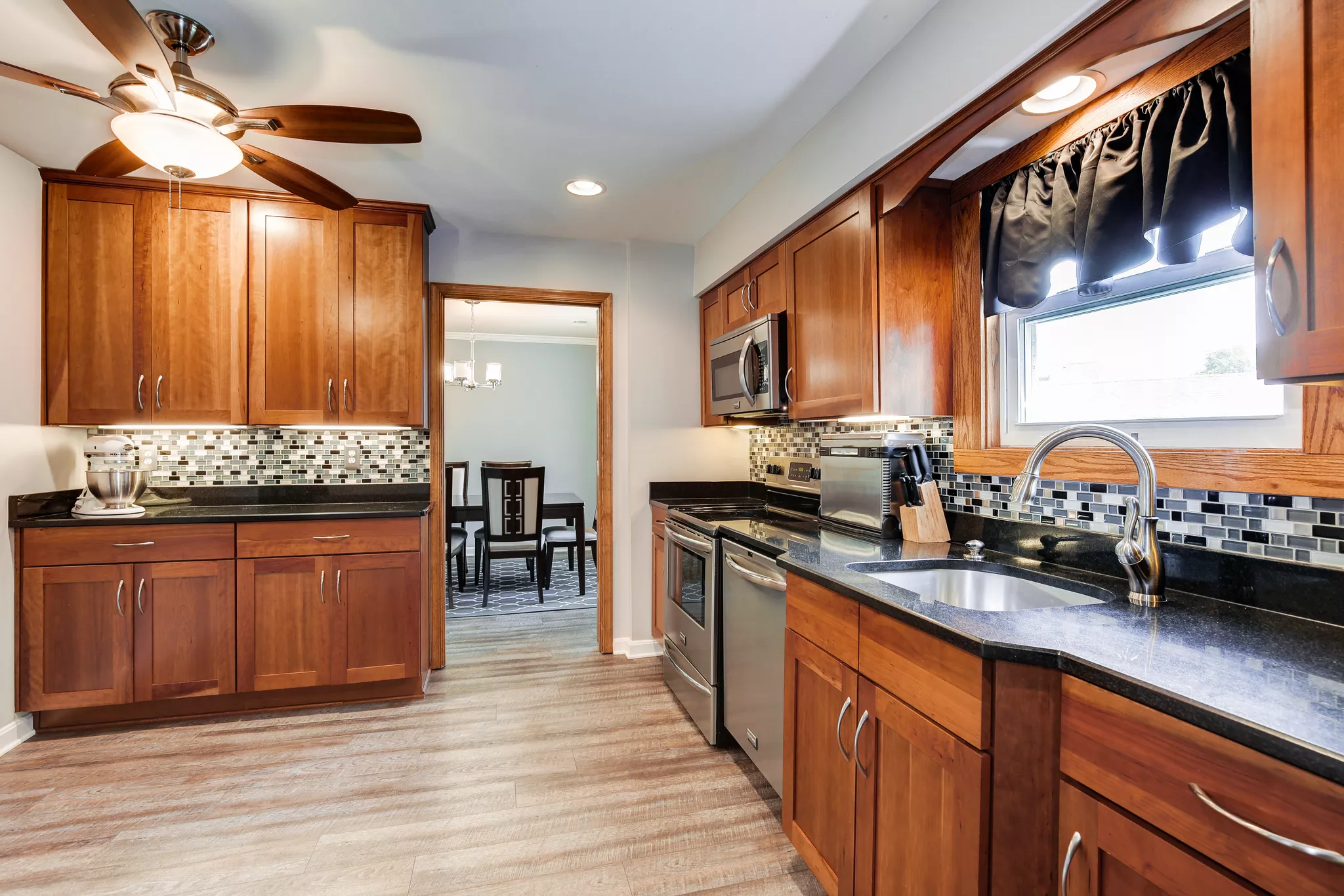
Speed is the quiet currency of residential real estate. In February 2026, 18.5% of US homes went pending within seven days of listing, and in the fastest markets — St. Louis, Hartford, and Seattle — more than 1 in 3 sold that quickly. The gap between fast and slow is brutal: the typical home that sold went pending in 19 days, while the median active listing had been sitting for 56 days. Nationally, Redfin puts the median at 49 days on market as of June 2026.
None of that first-week momentum happens without photos. 44% of buyers start their search by looking at properties online, and 87% of buyers who searched online rated photos as very useful, ahead of every other website feature, per NAR. The photography has to be finished before the listing can even start its countdown. That puts real estate photographers on a clock no one else in the industry runs on.
What actually drives turnaround time on a listing shoot
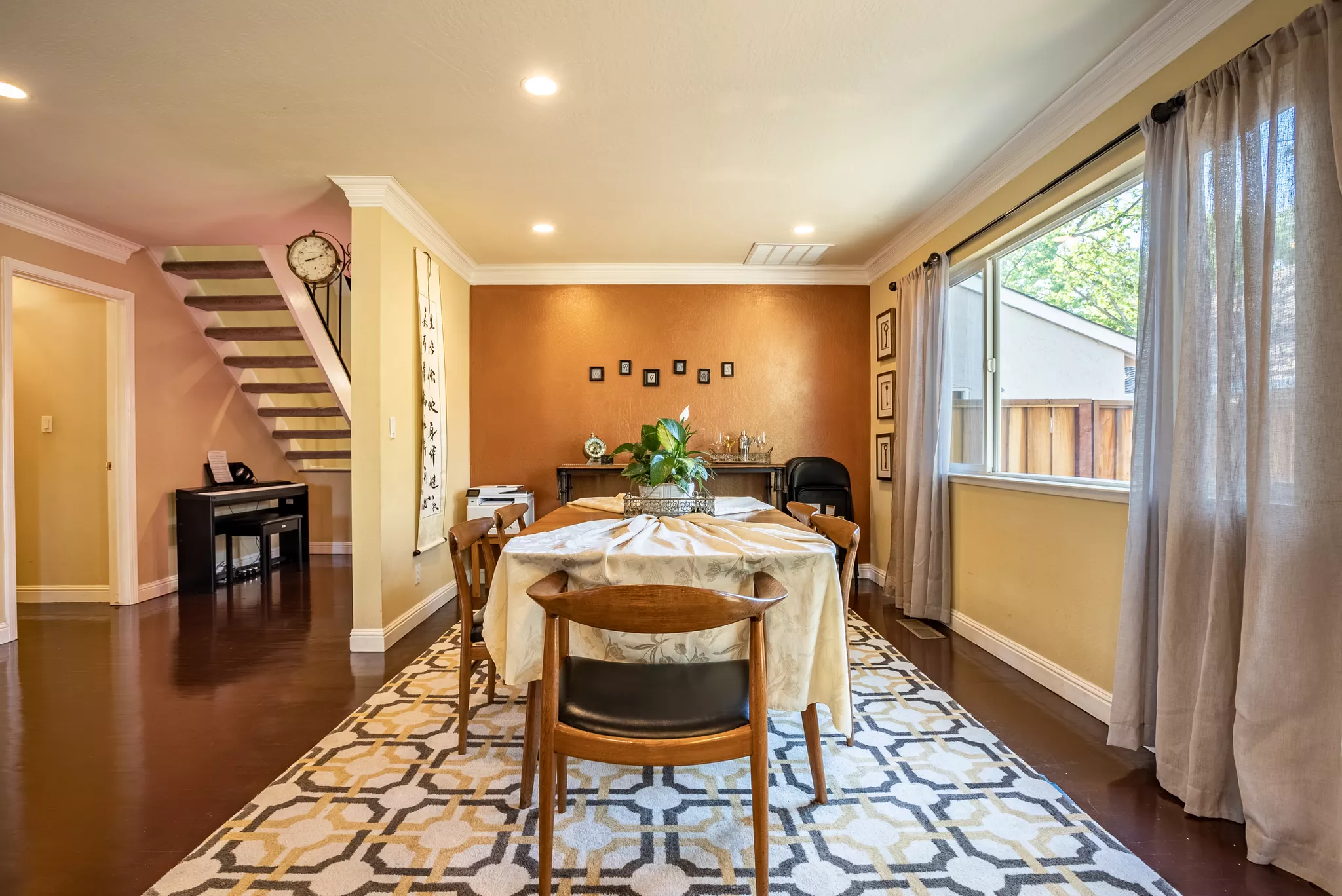
Real estate photography turnaround time breaks into two stages, and both are compressed.
Booking to shoot: a median of 4 days. Demand arrives with a few days' notice, at a new address every time. 28.8% of real estate shoots are booked within 48 hours of the shoot and 7.6% within 24 hours — the highest short-notice share of any category.
Shoot to delivered gallery: a median of 42 hours. Editing is the part most often underestimated. Bracketed interiors, window pulls, and vertical corrections all take time, and delivery speed depends entirely on whether that editing runs as a pipeline or as one person's evening backlog.
This is not agents being disorganized. It is the structure of the work. The seller signs, the house gets staged, and the photos need to exist before Thursday. There is no version of the job with a long runway.
Why the freelancer rolodex cracks under this clock
Most photography categories can be scheduled. A wedding is booked months out; a product catalog shoot is planned around a launch. Real estate demand does not wait. A solo freelancer's calendar can absorb some of it, but the moment they are booked, sick, or out of town, the listing slips and the first-week window starts closing.
The stakes of getting it wrong are well documented. Our analysis of how professional real estate photography helps homes sell 32% faster walks through the research, and Matterport's matched-listing study found homes with 3D tours closed up to 31% faster and sold for up to 9% more depending on the market. Skipping professional photos to protect the timeline just trades one cost for a bigger one. The real requirement is speed and quality at the same time, on every listing, in every market you operate in.
How to get faster real estate photography turnaround without losing quality
If the deadline structure cannot change, the supply side has to. Teams that consistently hit the 6.3-day cycle share the same setup: a deep bench of vetted photographers in every market so short notice does not mean no coverage, a standardized editing pipeline so delivery speed does not depend on one person's backlog, and someone handling scheduling, reshoots, and delivery logistics so the agent is not the project manager.
That is the model Snappr built. For agents who want help with the work, you can book a vetted real estate photographer in about two minutes with as little as 24 hours' notice, editing included. For brokerages and property managers who want it handled for them, Snappr's network and support team run the whole cycle across markets, the way Renters Warehouse did when inquiries rose 10x and personal tours tripled after standardizing on professional photography.
The fastest turnaround in photography is only a burden if you are absorbing it alone. Compare Snappr's plans to find the fit for your volume: pay-as-you-go for the occasional listing, Pro for agents who shoot every week, Enterprise for teams that want the clock managed for them.
Frequently asked questions
What is the average real estate photography turnaround time?
The median is 6.3 days from booking to delivered gallery, based on 12,338 completed Snappr real estate shoots in the US since January 2024. Within that, the median gap from booking to shoot is 4 days, and from the start of the shoot to a submitted gallery is 42 hours.
How long do real estate photos take to come back after the shoot?
The median time from shoot start to a submitted, edited gallery is 42 hours in Snappr's data. A Friday morning shoot typically returns edited photos by Sunday.
How far in advance should I book a real estate photographer?
The median lead time is 4 days, and 28.8% of real estate shoots are booked within 48 hours of the shoot. Booking 3 to 5 days ahead gives the best slot selection, but same-week and next-day shoots are normal in this category.
Can you book same day or next day real estate photography?
Short-notice bookings are routine in real estate: 28.8% of shoots are booked within 48 hours and 7.6% within 24 hours, the highest short-notice share of any vertical in Snappr's data. Snappr accepts bookings with as little as 24 hours' notice, though edited galleries are typically delivered a median of 42 hours after the shoot rather than the same day.
Why do real estate photographers have the fastest turnaround requirements?
Listings reward speed: 18.5% of US homes go pending within their first week, and photos have to be finished before a listing can launch. Snappr's cross-vertical data shows real estate's 6.3-day median booking-to-delivery cycle is the shortest of 17 photography categories, ahead of automotive at 7.2 days and weddings at 27.4.
Does faster turnaround mean lower photo quality?
It should not. Rushing or skipping professional photography trades a short timeline gain for a longer one on market: Matterport's matched-listing study found homes with 3D tours closed up to 31% faster and sold for up to 9% more. Teams that hold quality steady while matching listing speed do it with a vetted photographer network and a standardized editing pipeline, not by compressing individual shoots.
How do brokerages and property managers scale listing photography?
The teams that keep up rely on a photographer network rather than individual freelancers: standby capacity in every market, a standardized editing pipeline, and a support team managing scheduling and delivery. 87% of online buyers rate photos as very useful in their search, so the goal is holding quality steady while matching listing speed at volume.
Sources
1. Zillow press release, April 2026 — 18.5% of homes pending within 7 days; 1 in 3 in fastest markets; 19-day vs 56-day gap
2. Redfin US Housing Market data — 49-day national median days on market, June 2026
3. NAR, Real Estate in a Digital Age 2018 — 44% of buyers looked online first; 87% found photos very useful
4. Matterport matched-listing study — 3D tour listings closed up to 31% faster, sold up to 9% higher


