
Everyone agrees video works. Almost nobody has a repeatable way to shoot it
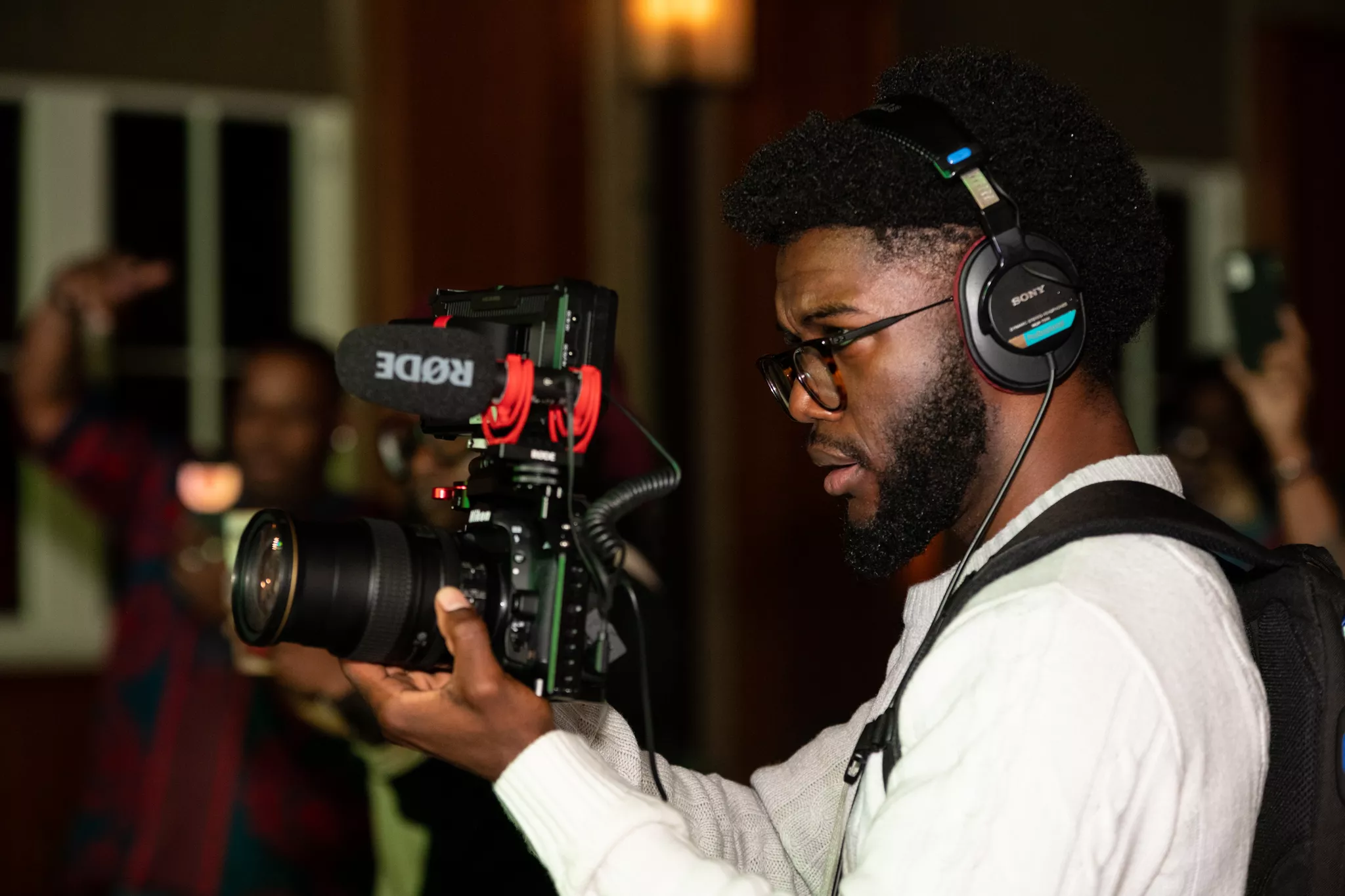
You built the plan in January. Twelve videos, one a month, nothing fancy. Then February hit, the person who owned it got pulled onto something urgent, and the camera stayed in the bag.
This is close to universal. Wyzowl reports 91% of businesses use video as a marketing tool, and marketers told HubSpot that short-form video is the single highest-ROI content format at 49%, ahead of long-form video and live streaming. The demand is settled. The bottleneck is production.
Wistia asked companies what was holding them back from making more videos and got the same answer three years running: company size and resources top the list of barriers, followed closely by cost. Not strategy. Not ideas. Capacity.
What video production actually costs a small business

The number in your head is probably too high. Wistia's 2026 survey of 900+ professionals found almost 40% of companies spent under $5,000 producing videos last year, with just over 30% spending more than that.
Meanwhile, Wyzowl found 24% of marketers who don't use video say the reason is that it's too expensive, tied with "don't feel it's needed" as the top objection. Another 19% cite lack of time. Both describe the same problem from different angles: the traditional agency model, with its scoping calls and five-figure minimums, was never built for a business that needs one solid video this month.
In-house, agency, or on-demand
Three models, three failure modes.
Shooting in-house is cheapest per video and hardest to sustain. It works when someone on your team enjoys it and has protected time. Vidyard's analysis of nearly a million business videos found companies under 30 employees averaged 144 videos in 2024, so small teams can produce at volume. The catch is quality: in Wyzowl's survey 89% of consumers say video quality impacts their trust in a brand, and a phone video shot in bad light reads as amateur to an audience that watches professionally produced content all day.
Full-service agencies solve quality and destroy speed. Scoping, storyboarding, a shoot date six weeks out. Fine for a brand film, wrong for a launch next Thursday.
On-demand production sits between the two, and it's where Wistia found around a quarter of companies now outsource video creation to freelancers or production partners. You get a professional operator with professional gear, on your date, at a price you can see before you book.
What to look for in a video production service for SMBs
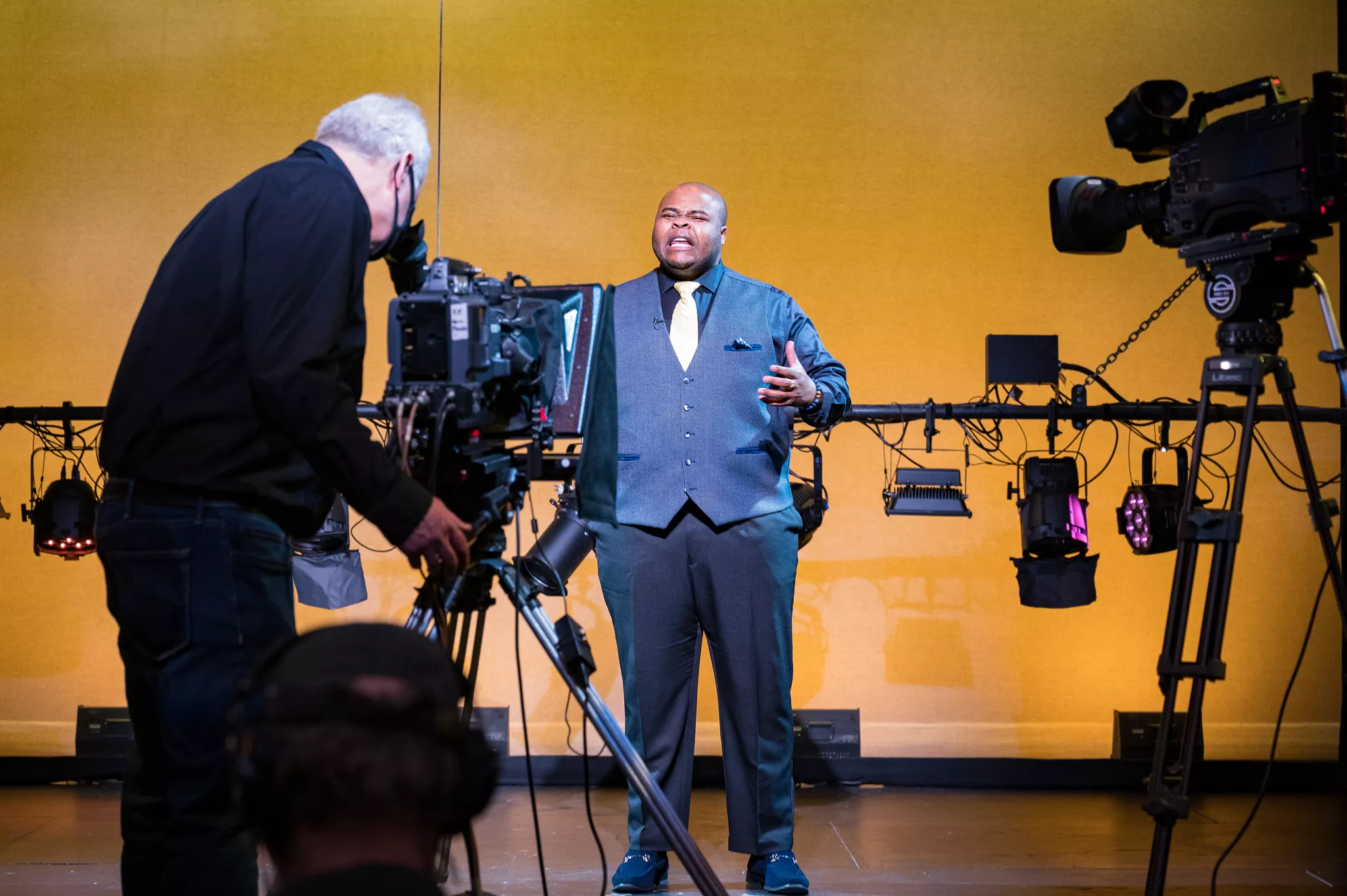
Four things separate the ones that work from the ones that waste a Tuesday.
Upfront pricing. If you can't see a number before a sales call, the model isn't built for your budget.
Short lead time. A video is worth most closest to the moment it's relevant, so a service needing three weeks' notice will miss most of your real opportunities.
Consistency across shoots. Every shoot should match the last one, which means documented guidelines applied automatically rather than re-explained to a new freelancer each time.
You keep the raw footage. The one people forget. Raw footage is an asset you can re-cut for years, and a service that hands you only a finished MP4 has quietly kept the valuable part.
Where Snappr fits
Snappr runs the same on-demand model for video that it runs for photography. You book a videographer in under two minutes, pick a date and location, and a vetted operator arrives with professional equipment. Snappr accepts only the top 5% of videographers, so quality doesn't swing between bookings.
Pricing is fixed and visible upfront. You always get the original footage, whether or not you add editing, and Snappr backs it up in cloud storage at no cost. Editing is an optional add-on with unlimited revisions for 30 days, so the capture decision and the editing decision stay separate.
The logic that makes this work for restaurants that need a professional videographer applies across verticals, and it's the same reason replacing stock imagery with real professional visuals lifts leads by 45%. Audiences can tell the difference.
Start with one shoot, not a strategy
Book a single half-day. Shoot three high-intent stories: what you make, who makes it, and one customer explaining why they stayed. That's enough for a homepage video, a dozen social cuts, and a sales follow-up clip.
Book a videographer with Snappr and see what one shoot day produces before you commit to a calendar.
Frequently asked questions
How much does a video production service for SMBs cost?
Costs vary by scope, but Wistia found almost 40% of companies spent under $5,000 on video production across all of last year. On-demand services with fixed upfront pricing typically quote per shoot rather than per project, which makes a single video far cheaper than an agency retainer.
Should a small business hire a videographer or shoot video in-house?
Shoot in-house when someone on the team has protected time and the content is informal. Hire out when the video represents your brand to a buying audience, since 89% of consumers say video quality affects their trust in a brand.
How long does it take to get a video produced?
Traditional agencies typically run four to eight weeks from brief to delivery. On-demand services can put a videographer on site with as little as 24 hours' notice, with footage available shortly after the shoot.
Do I get the raw footage from a video production service?
You should, and you should confirm it before booking. Snappr provides original footage regardless of whether you add editing, so the material stays yours to re-cut later.
What kind of videos deliver the best return for small businesses?
Marketers told HubSpot that short-form video is the highest-ROI content format at 49%, ahead of long-form video at 29%. For most small businesses that means product demos, founder or team stories, and customer testimonials cut short.
Sources
1. Wyzowl, Video Marketing Statistics 2026 — 91% of businesses use video, 24% cite cost as a barrier, 89% of consumers link video quality to brand trust
2. Wistia, 2026 State of Video Report — production budgets under $5,000, outsourcing share, top barriers to making more video
3. HubSpot, 2026 Marketing Statistics — short-form video as the highest-ROI content format at 49%
4. Vidyard, Video in Business Benchmark Report — average videos created by companies under 30 employees


