
The expensive part is the part nobody scopes
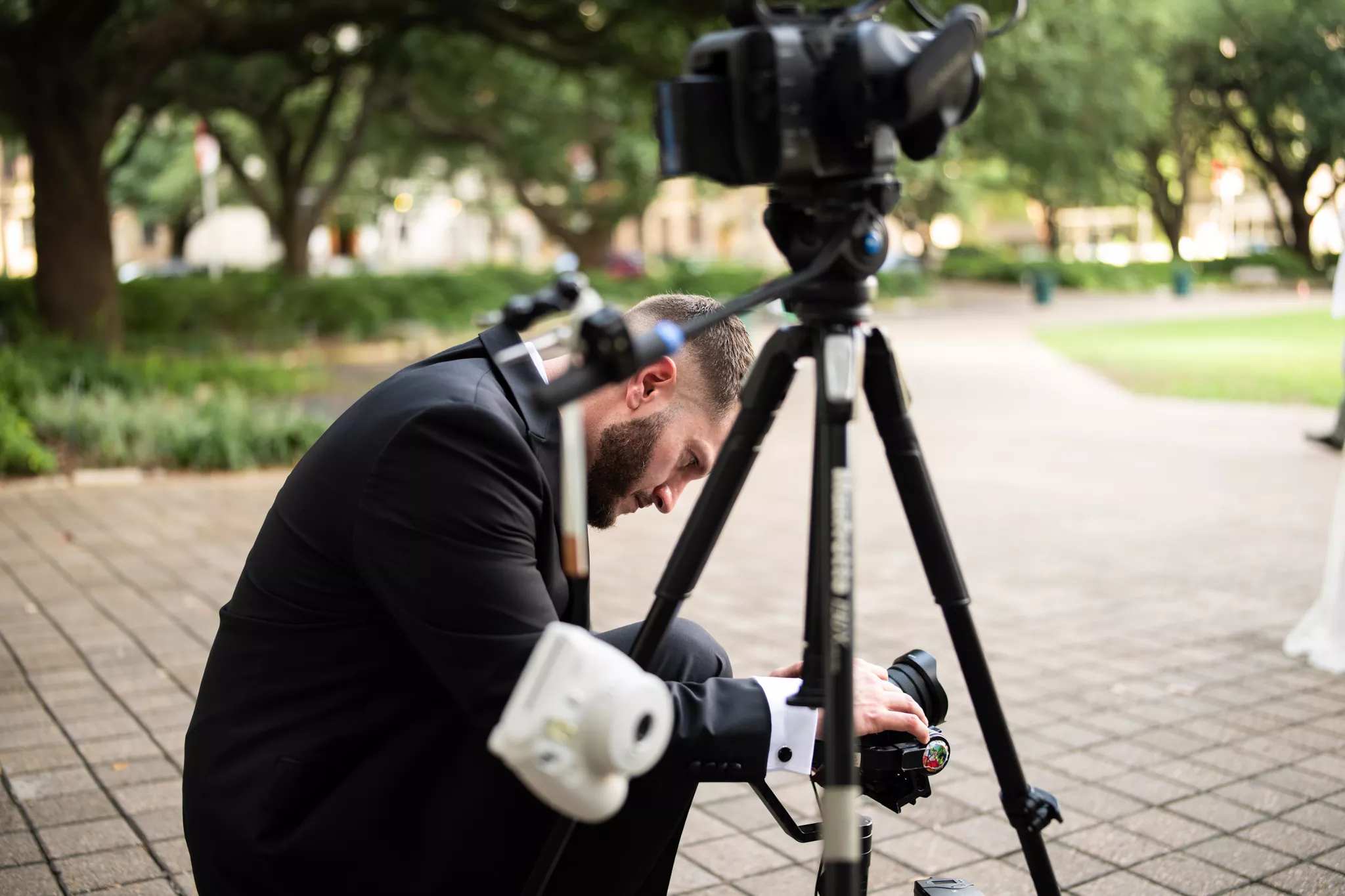
A marketing lead asks three production companies to quote "a brand video." One comes back in four figures, one in five, one in six. All three are honest: nobody said the runtime, the number of setups, who is on camera, or where it will live.
That gap is where most commercial video budgets go to die. And the stakes are not small. Wyzowl's 2026 survey found that 91% of businesses use video as a marketing tool and 82% of video marketers report a good return on it, down from an all-time high of 93% the year before. More companies are making video. A shrinking share are happy with what it does for them.
The fix is a sharper brief, not a bigger budget. Here is what videography services for businesses include, what moves the number, and how to scope a shoot so you get three comparable quotes instead of guesses.
What companies actually buy video for
Commercial videography covers several distinct jobs, and knowing which one you are buying is most of the scoping battle.
Product and explainer films sit on a landing page and do conversion work. Customer testimonials carry proof into a sales cycle. Recruitment and employer-brand video answers what a careers page cannot. Event capture turns one conference into a year of clips. Training video replaces a session somebody otherwise runs every quarter.
Then there is sales video, quietly the highest-volume category. Vidyard's analysis of 943,305 business videos found its users averaging 37 videos each, up from one a month to nearly one every ten days.
Each job needs a different crew, runtime, and edit. Quoting them as one line item is why the numbers came back so far apart.
What a commercial videography scope covers
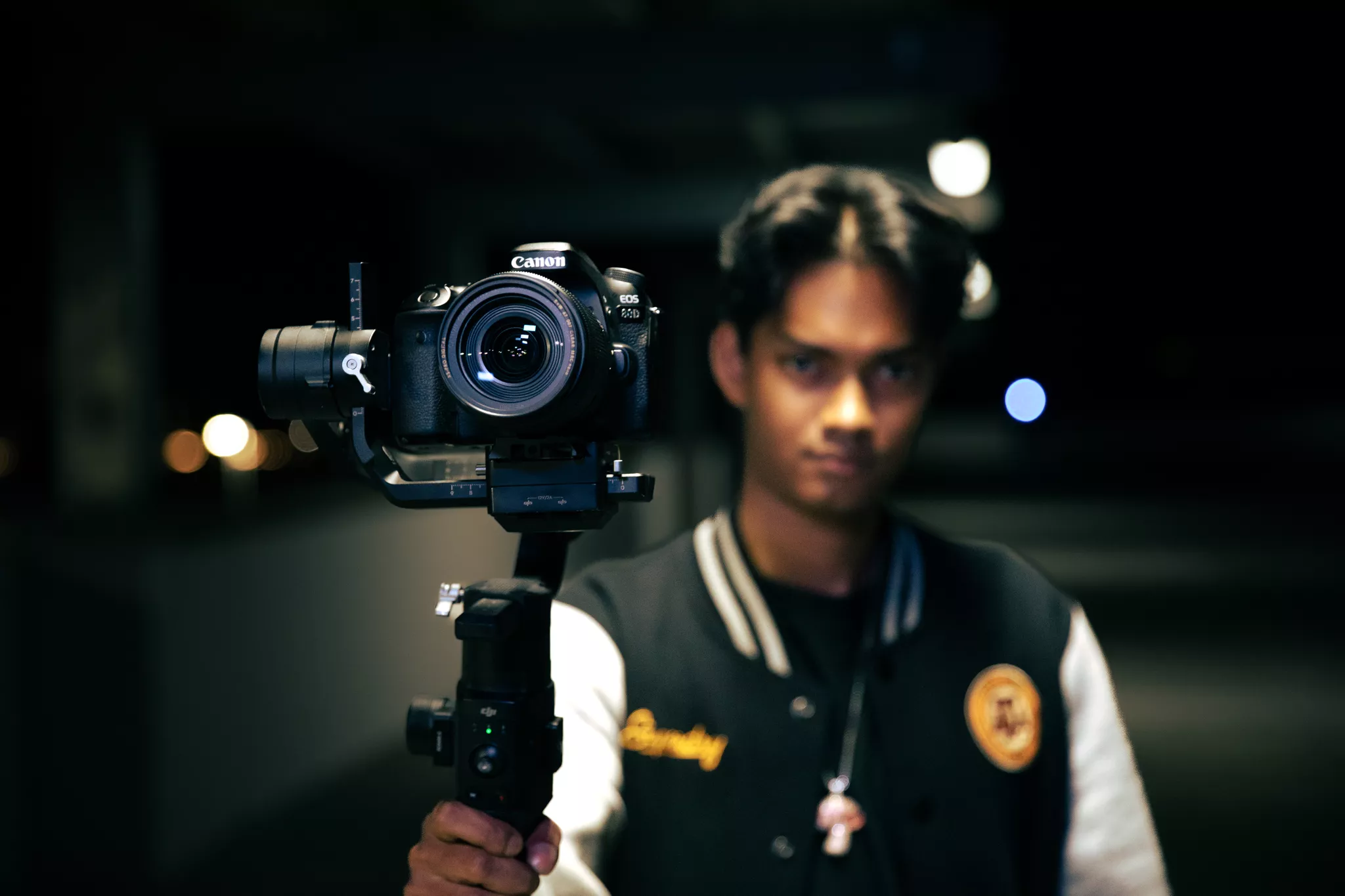
Filming is the visible part and rarely the biggest line item. A full scope covers three phases.
Pre-production is the planning: brief, shot list, location scouting, casting, scheduling, and permits. Skip it and you pay for it later in reshoots.
Production is the shoot day. Crew size, lighting, audio, and camera setups all live here. A talking-head customer interview with one camera and a lav mic is a different animal from a multi-site product film with a gimbal operator and a sound recordist.
Post-production is the edit: assembly, color grading, sound mix, music licensing, motion graphics, captions, and cut-downs per platform. Ask for the cut-downs up front. A 60-second hero plus a 15-second vertical from one shoot costs far less than commissioning the vertical later.
What actually drives the price
Crew hours, not camera bodies. The US median wage for camera operators in television, video, and film was $74,990 a year in May 2025, and film and video editors sat at $75,420. Every extra body on set and hour in the edit bay moves the number in a way a nicer lens never will.
Four other variables do the rest. Locations, because travel and setup eat hours. On-camera talent, because actors carry usage fees and staff need release forms. Edit complexity, because motion graphics and licensed music price separately. And turnaround, because 48-hour delivery costs more than two weeks.
Cost is also the top reason companies skip video entirely. Wyzowl found 24% of non-users say video is too expensive, tied with "not needed" as the biggest barrier. Usually the problem is scope, not price.
Short is cheaper and it performs better
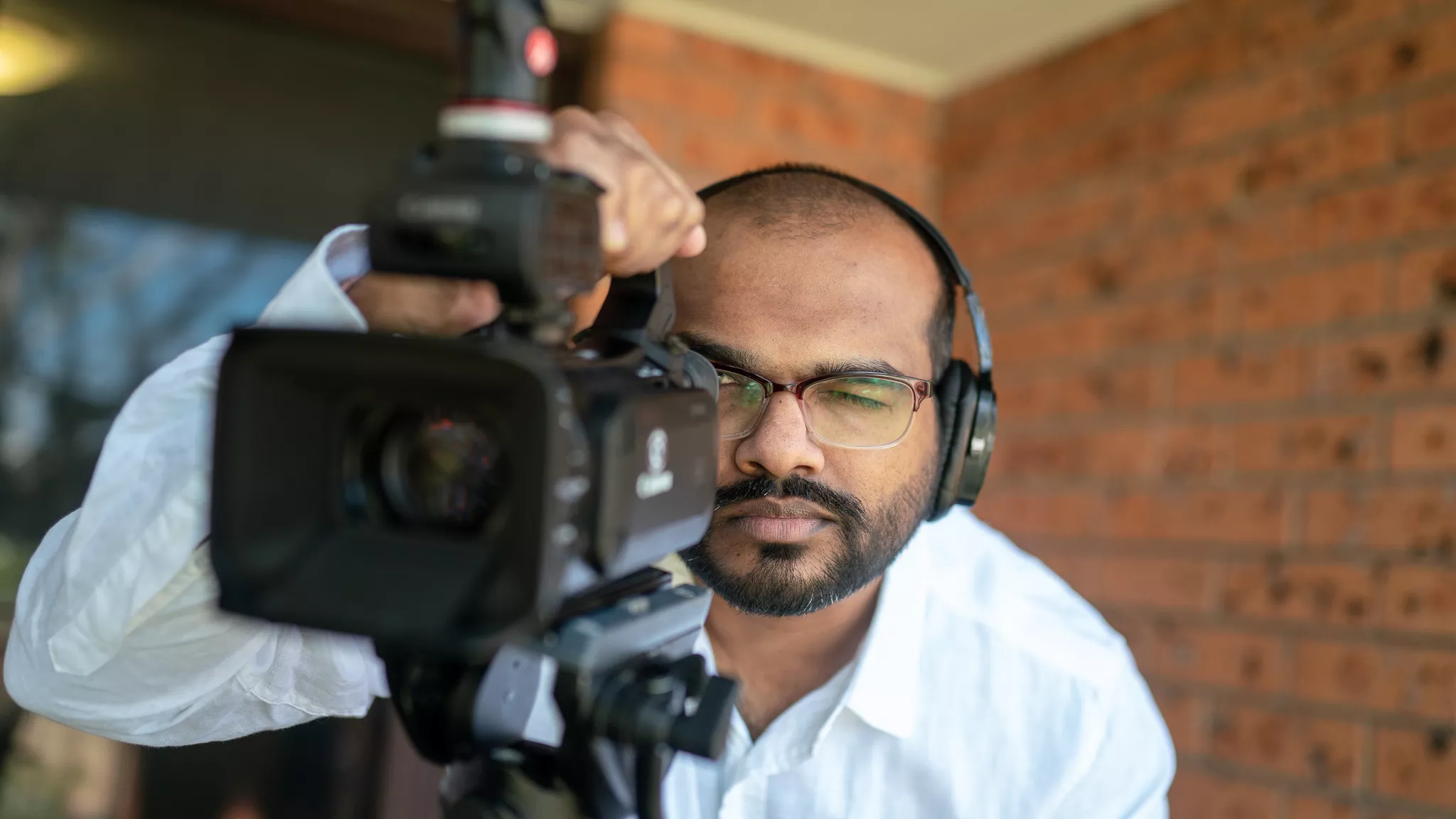
This is the rare place where frugal and effective agree. Vidyard found that 65% of viewers finish a video under one minute, against 20% for videos over 20 minutes. A 45-second product film needs fewer setups, less talent time, and a fraction of the edit, and more people finish it.
Length discipline also protects you from the generic-brand-film trap. Nielsen Norman Group's eye-tracking work found that users scrutinize images carrying real information and ignore purely decorative pictures used to "jazz up" a page. Video behaves the same way. Drone shots over a city skyline with a piano track are the moving-picture equivalent of a stock photo.
Buying commercial video without building a production department
Most businesses do not need a retained agency. They need a competent crew in the right city, on a workable date, at a price known before booking.
That is the gap Snappr's Capture solution fills. Pick a shoot type, date, and location, get matched to a vetted local videographer who brings their own equipment, and get edited footage back on a fixed timeline. Pricing is upfront rather than quoted, and shoots book with as little as two hours' notice. Companies shooting across many sites use one account.
We have covered event videography that earns its budget back and why restaurants get more from a videographer than a photographer alone. Same pattern in both: tight scope, fast turnaround, footage used more than once.
One shoot a year and one a month are different businesses. Compare Snappr's plans to see where pay-as-you-go stops making sense and a membership starts.
Frequently asked questions
How much do videography services for businesses cost?
Commercial video is priced by crew size, shoot hours, and edit complexity rather than by the finished minute. A single-camera half-day with a straightforward edit sits at the low end; multi-site shoots with paid talent and motion graphics sit far above it. Ask for shoot fee and edit fee separately.
What is the difference between videography and commercial video production?
In practice the terms overlap. Videography usually describes a smaller crew capturing real events or straightforward branded content, while commercial video production implies a larger team, scripted work, and heavier post. Define crew, setups, and deliverables rather than arguing about the label.
How long should a business video be?
Under two minutes for most uses, and under one minute where you can manage it. Vidyard's benchmark data shows completion rates drop sharply as videos get longer, and shorter runtimes cost less to shoot and edit.
What should a business ask for before signing a video quote?
Runtime, camera setups, crew size, shoot hours, how many edited deliverables and in which aspect ratios, who owns the footage, and the turnaround. Quotes that leave any of these open are not quotes, they are estimates.
How far in advance should a business book a videographer?
A week is comfortable for a standard commercial shoot. Snappr bookings can be placed with as little as two hours' notice, but talent, permits, or multiple sites need real lead time.
Sources
1. Wyzowl, Video Marketing Statistics 2026 — 91% of businesses use video, 82% report good ROI, 24% cite cost as the barrier
2. Vidyard, Video in Business Benchmark Report — 943,305 videos analysed, 37 per user; 65% completion under one minute vs 20% over 20 minutes
3. US Bureau of Labor Statistics, Film and Video Editors and Camera Operators — May 2025 median wages
4. Nielsen Norman Group, Photos as Web Content — users ignore purely decorative imagery


