
Online, the photo is the product
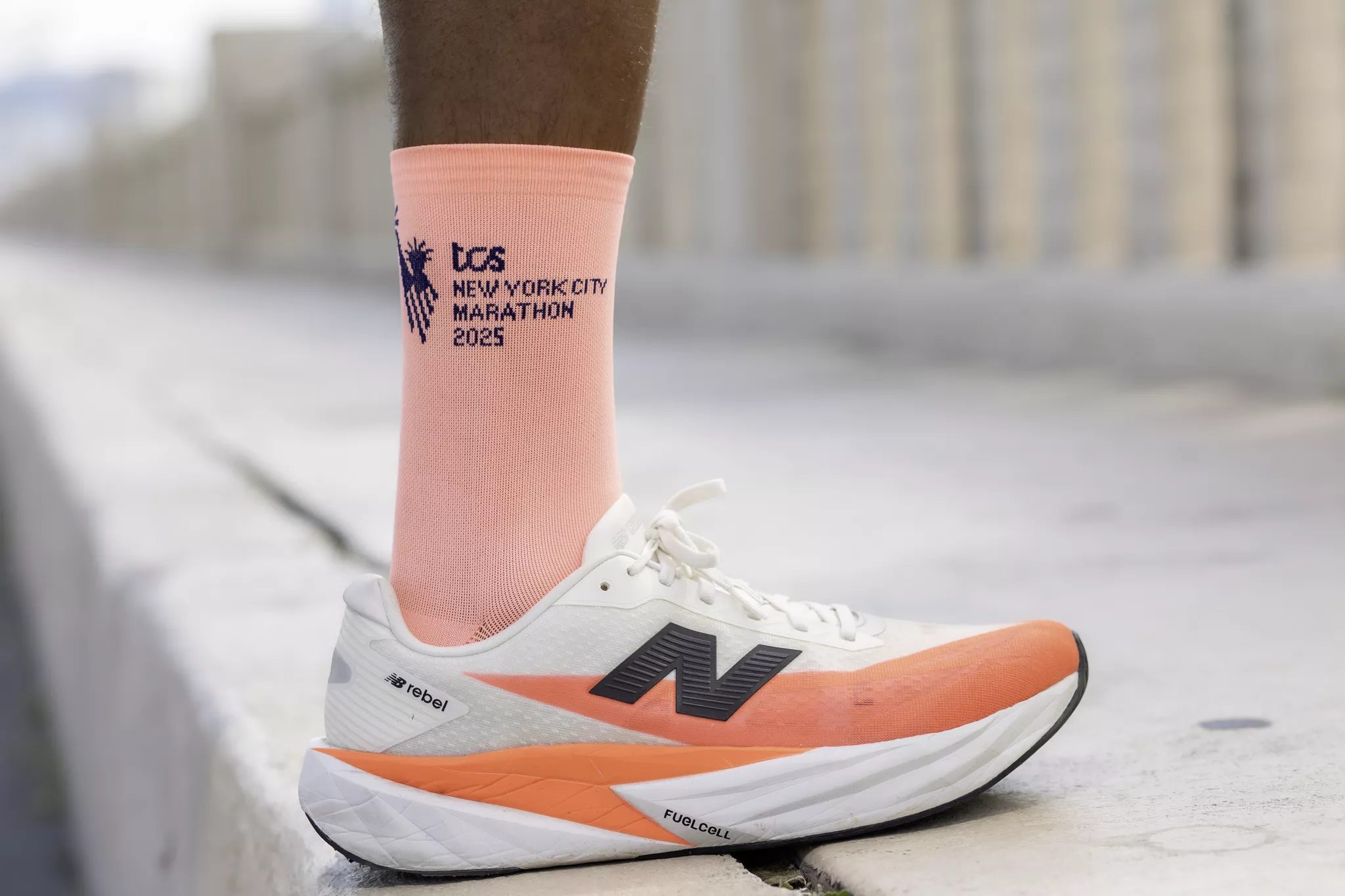
A shopper scrolling a product page never picks the item up. They never feel the weight of it, turn it over, or check how the fabric catches the light. Every one of those judgments gets outsourced to a rectangle of pixels. The photo is not a picture of the product. For the length of the purchase decision, the photo is the product.
That decision happens faster than most people believe. MIT neuroscientists found that the human brain can process an image in as little as 13 milliseconds, far quicker than it can read a single word of a description. Shoppers form an impression of your item before they have consciously registered what they are looking at. And they want more than one look: 70% of shoppers say they need to see at least three product images before they will buy, according to Salsify's 2025 consumer research.
The images also carry information the copy cannot. Baymard Institute found that 42% of users try to work out a product's real size from its images, yet 37% of e-commerce sites still fail to give them a single in-scale shot to do it with. When the photo does not answer the question, the shopper guesses. And a guess is where returns begin.
This guide covers what product photography actually is, the types that make up a complete listing, how to do product photography yourself, what the platforms require, where AI fits, and the part almost no one talks about: how to keep it consistent across an entire catalog.
What product photography actually is

Product photography is the discipline of planning, lighting, and capturing images of a physical product so that its appearance, materials, details, and scale read accurately to someone who cannot hold it. Its job is narrow and commercial: unless the image helps sell the object it shows, it has not done its work. That single constraint separates it from most other photography, where mood or artistry can be the point.
In practice, a strong listing is not one photo but a set, each type doing a different job.
The core types
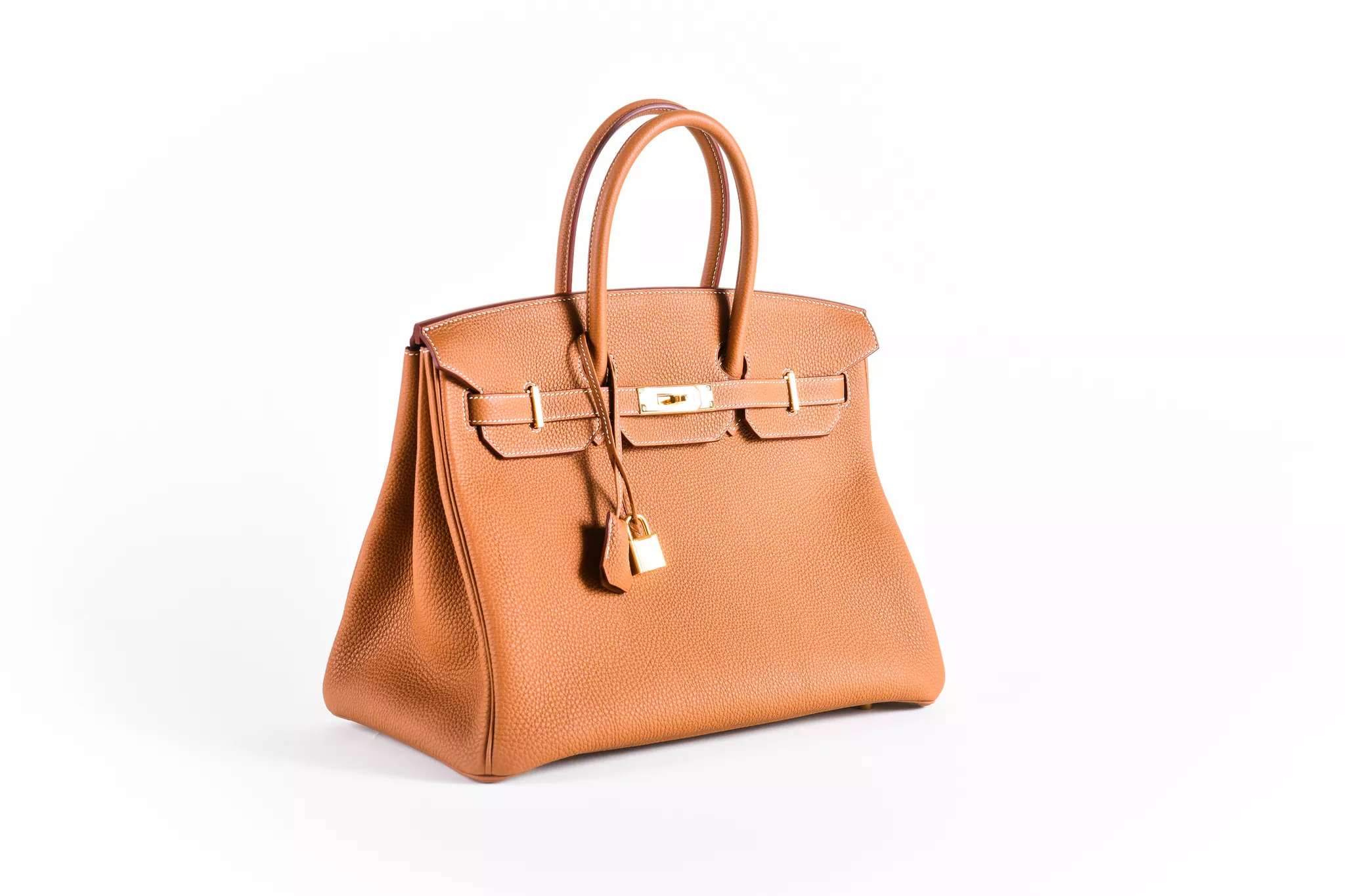
White background, or the pack shot, isolates the product on pure white so the shopper sees it with zero distraction. It is the workhorse of e-commerce and the format most marketplaces require.
Lifestyle photography places the product in a real setting or in use: the mug on a morning kitchen counter, the jacket on a person walking. It sells the feeling of owning the thing, not just the thing.
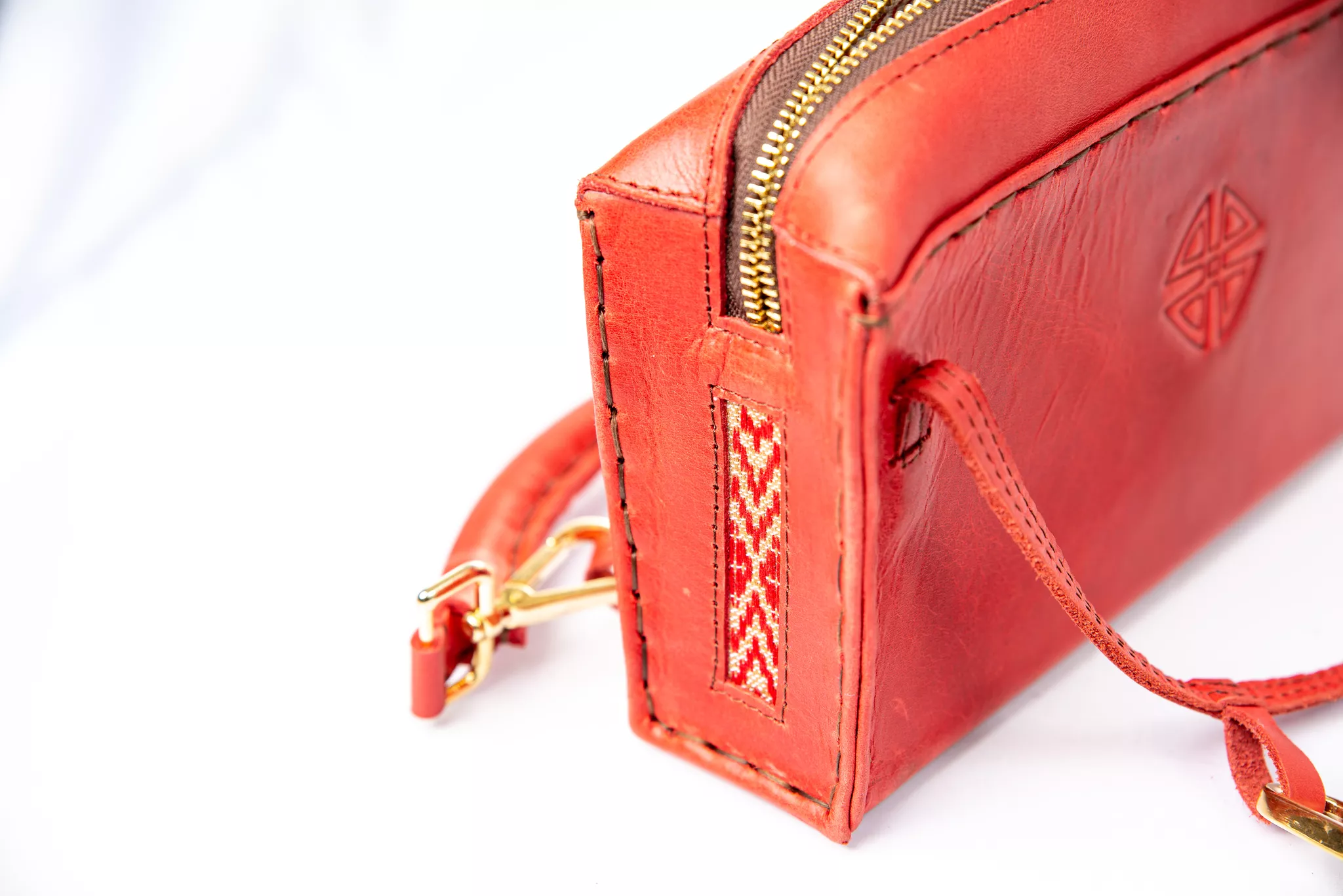
Detail and macro shots move in close on texture, stitching, a clasp, a material seam. They answer the quality questions a wide shot glosses over.
Scale shots put the product next to a hand, a model, or a familiar object so size stops being a guess. This is the single most-skipped type and, per Baymard's data above, one of the most needed.
Flat lay arranges the product and its components from directly overhead, common for apparel, cosmetics, and anything sold as a kit.
Group and packaging shots show variants together or capture the unboxing experience, which increasingly doubles as social content.
360-degree and interactive spins let the shopper rotate the product themselves, closing the gap between a static page and holding the item in a store.
A complete shot list usually pulls from most of these. Our guide to selling more product online walks through how the set works together on a live page.
What good product photography is worth
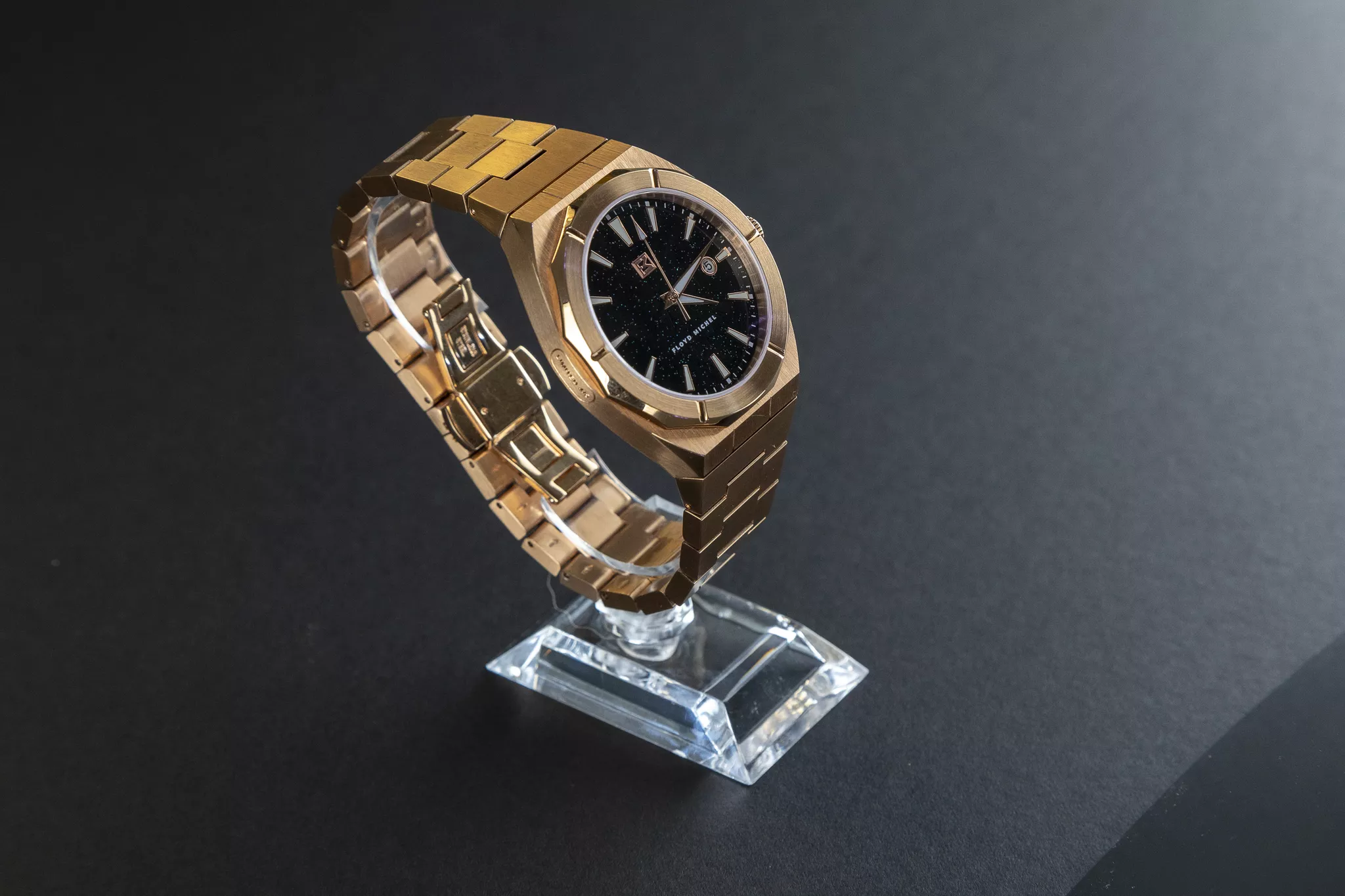
Photography is often filed under brand or marketing spend. The data says it belongs in the conversion column.
Snappr's own analysis found that products with high-quality images convert 33% better than those with weak visuals, and that 90% of online buyers rate photo quality as the most important factor in an online purchase. The effect shows up even in small mechanical changes: enlarging product images on category pages lifted sales by 9.46% in one study, with no change to the product or the price.
The cost of getting it wrong is larger and easier to miss. The National Retail Federation projects $849.9 billion in returns for 2025, about 15.8% of all retail sales, and online return rates run higher still at 19.3% of e-commerce orders. A meaningful share of that traces straight back to imagery: Salsify found that 50% of shoppers have returned an item because it did not match the online listing. Every one of those returns eats the margin the sale was supposed to earn, plus shipping, restocking, and the risk the customer never comes back. We break the math down further in our look at return rates and the true cost of bad photos.
The takeaway is blunt. Better photography does not just win more sales at the top. It quietly protects the margin on the sales you already make.
How to do product photography, step by step

You do not need a studio to start. You need control over a handful of variables and the discipline to keep them consistent. Here is how to do product photography that holds up on a real listing.
The gear you actually need
A modern smartphone shoots clean, usable product images in good light, which is where most people should start. If you upgrade, an entry-level mirrorless or DSLR body with a 50mm lens for general work and a 90-100mm macro for detail shots covers almost everything. The one accessory that is not optional is a tripod. It locks your framing so every shot in a set matches, and it lets you shoot at low ISO for maximum sharpness.
Lighting is the whole game
More than gear, more than the camera, lighting decides whether a product looks premium or cheap. A single large, soft source, a window with a sheer curtain, or one softbox, gives you clean, flattering light with soft shadows. Position it to the side and slightly above the product, then use a white foam board on the opposite side to bounce light back and fill the shadows. Reflective and glossy products need care here, because they mirror whatever is in front of them, including you and the room.
Backgrounds and the sweep
For clean catalog shots, a continuous white sweep, a single curved sheet of paper or vinyl with no visible horizon line, keeps the focus entirely on the product and photographs evenly. Colored or textured backgrounds have their place in lifestyle and brand work, but the versatile default for e-commerce is a clean, neutral sweep you can drop onto any page.
Camera settings that keep products sharp
Shoot at a low ISO, around 100, to keep images clean and noise-free. Use a narrow aperture in the f/8 to f/11 range so the whole product stays in focus rather than just the front edge. Set a custom white balance to the light you are using so colors render true, because a color that reads wrong on screen is a return waiting to happen.
Styling and the shot list
Before you shoot, write the shot list: which types from the section above each product needs, and in what order. Clean the product itself, no dust, no fingerprints, no crooked labels, because the camera sees everything the eye skips. Style consistently across the catalog so a shopper moving between two of your listings feels they are in the same store.
Editing and post-production
Editing finishes the image: correcting exposure and color, cleaning the background to true white, removing dust, and cropping consistently. The goal is an accurate, clean product, not a retouched fantasy that triggers a return when the box arrives. When the volume of edits gets heavy, this is the first task worth handing off; our overview of AI photo editing and when to use it covers where automation helps and where it does not.
The mistakes that cost the most
Most bad product photography fails in predictable ways: inconsistent lighting and framing across a catalog, no scale reference, over-editing that misrepresents color or finish, too few angles, and dark or muddy exposures that hide detail. Each one either lowers conversion or raises returns, and often both. Fixing them is less about talent than about a repeatable process.
Platform rules: Amazon, Shopify, and the marketplaces
If you sell on a marketplace, the photography is not fully your call. The platform sets the floor.
Amazon is the strictest and the most instructive. Its product image guide requires the main image to have a pure white background, RGB values 255, 255, 255, with the product filling at least 85% of the frame. Amazon recommends at least six additional images plus a video per product, and states plainly that strong images "reduce product returns due to mismatched expectations," the same connection the returns data above makes. A listing without a compliant main image can be suppressed from search entirely.
Shopify and direct-to-consumer stores give you more creative freedom, but the underlying logic holds everywhere: a clean primary image, multiple angles, a scale reference, and consistency across the catalog. The marketplace rules are a floor to clear, not a ceiling to aim for.
Where AI fits in product photography
AI has moved from novelty to a real part of the production pipeline, and the honest framing is complementary, not either-or. AI is strong at high-volume, repetitive work: removing and standardizing backgrounds, generating lifestyle scenes around an existing product shot, filling catalog gaps where a full shoot is not justified, and speeding up edits. It is weaker at judgment, the styling call, the material that has to read exactly right, the hero shot the brand is built on.
The platforms are already writing rules for it. Amazon now requires sellers to tag images that contain photorealistic AI-generated people with disclosure metadata, a sign that AI imagery is mainstream enough to regulate. Snappr AI is built on the complementary model: AI generation and editing for scale and speed, with human quality control on every asset before it ships. You can see the approach in practice in our work on skincare and cosmetics with generative AI and furniture and decor with generative AI, where AI handles volume and people handle the calls that protect the brand.
The real challenge: product photography at catalog scale
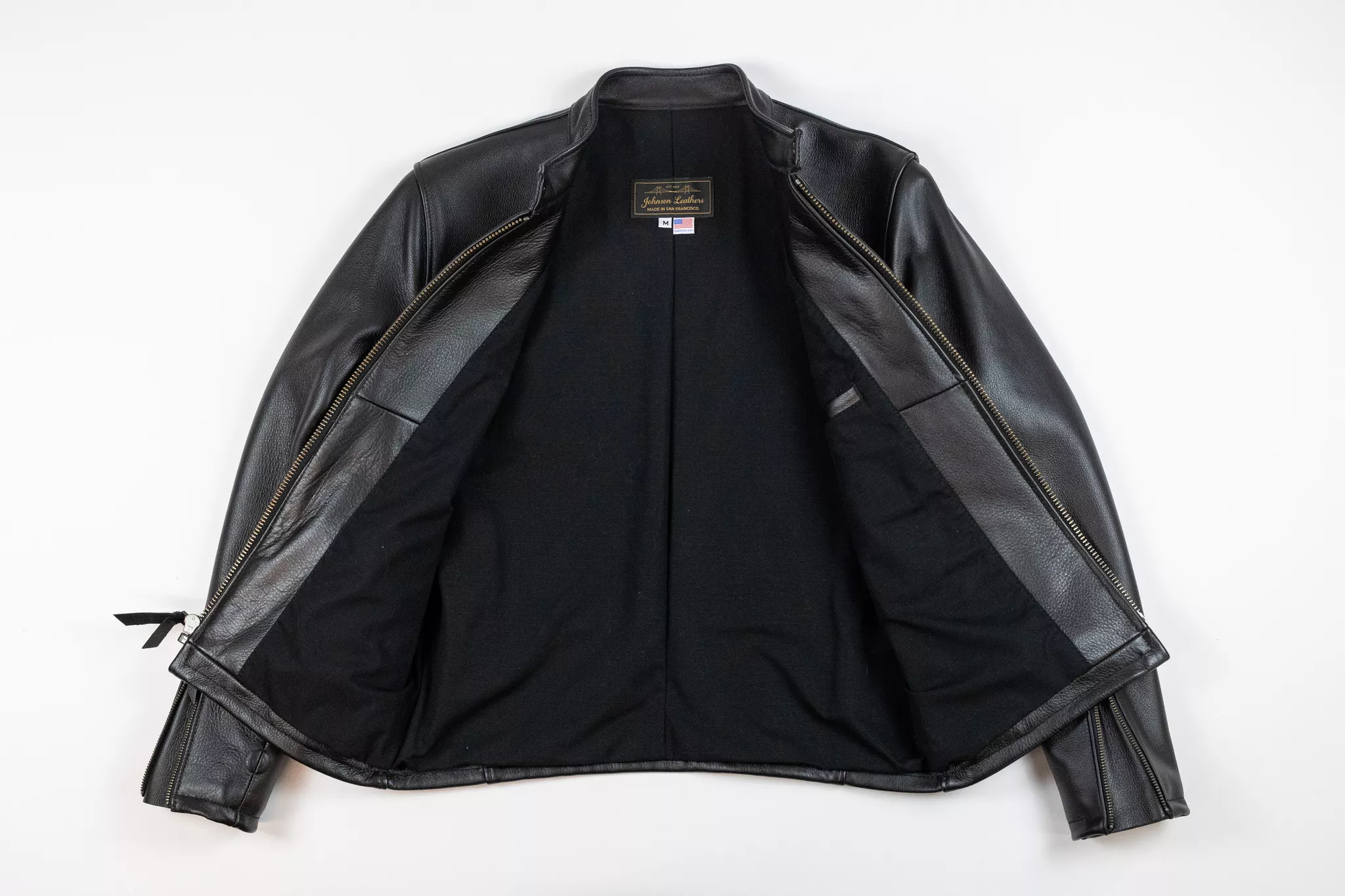
Shooting one product well is a solved problem. Anyone with a window, a sweep, and an afternoon can do it. The problem that actually breaks teams is the second half of the sentence: doing it consistently, across thousands of SKUs, as inventory turns over, forever.
Consider what changes at scale. A single inconsistent shadow direction across ten products looks like a styling choice. Across ten thousand, it looks like a broken store. New SKUs arrive weekly and need images before they can sell. Seasonal refreshes reset the whole catalog. Products ship to a studio, get shot, get returned, and every step is a place for the process to stall. In-house teams hit a wall not on quality but on throughput and consistency, and freelancers solve one shoot without solving the system.
This is the gap Snappr was built to close. The Snappr photographer network lets you book a professional shoot with as little as two hours notice and get edited photos back within 48 hours, at volume and across markets. Custom shoot guidelines are defined once and applied automatically to every booking, which is how consistency survives across locations and months. And Snappr Workflows sits on top as the operations layer: event-based triggers that auto-book a shoot when a new product lands, API integrations that push finished assets straight to your listings, and tagging and storage so nothing gets lost. It is the difference between shooting products and running a visual content operation. Snappr's approach to fixing imagery at scale is detailed in our piece on advanced editing for marketplace photos.
Building the business case: a simple ROI framework
To justify investing in product photography, tie it to the two numbers a finance team already tracks: conversion and returns.
Start with conversion. Take your current product-page conversion rate and your average order value. If better imagery lifts conversion even a few points, and the data above puts the potential lift far higher, multiply that delta by your traffic and AOV to get the incremental revenue. Set that against what the work actually costs (our product photography pricing guide breaks it down by photo, by hour, and by day), and a store doing meaningful volume usually finds the photography pays for itself on conversion alone.
Then add the returns side, which most teams forget. Estimate the share of your returns driven by "not as pictured," using the Salsify benchmark of 50% of shoppers having returned a mismatched item as a starting point, then apply your return cost per order. Accurate, complete imagery shrinks that number. The recovered margin is the second half of the return on the investment, and it compounds on every future sale.
Photography that raises the top line and protects the bottom line at the same time is rare. That combination is the entire business case, and it holds across verticals; our roundup of why professional photography is essential for every business makes the same case beyond e-commerce.
Where product photography is heading in 2026
The fundamentals are stable, but the production model is shifting fast. A few trends worth watching:
AI-assisted production is becoming standard for volume work, with human oversight as the quality backstop rather than the whole workforce. The economics are simply too strong to ignore for large catalogs.
Interactive formats are moving from nice-to-have to expected. 360-degree spins, 3D models, and short-form product video give shoppers the closer inspection that a static image cannot, and they hold attention longer.
User-generated and lifestyle content is blending with catalog photography as brands blur the line between the listing and the social feed.
Content refresh cadence is accelerating. Static catalogs shot once and left for years are giving way to imagery updated seasonally, which raises the operational bar and rewards teams that have a system rather than a one-time shoot.
The through-line for all four is the same: quality is table stakes, and the advantage now goes to whoever can produce it at scale, consistently, and quickly.
Getting product photography done right
Whether you are shooting your first ten products on a windowsill or managing imagery for a catalog of fifty thousand, the principles are identical: control the light, show the product accurately, cover every angle a shopper needs, and stay consistent. The only thing that changes with scale is how hard consistency becomes, and that is exactly where a system beats an afternoon.
If you are past the point where an in-house team or a string of freelancers can keep up, talk to Snappr's enterprise team about running product photography as a managed operation across your entire catalog. Snappr already powers visual content for 73% of the Fortune 500 and has captured over 250 million photos worldwide. Just getting started or shooting at lower volume? You can book a product shoot on demand and have professional images back in days, or compare Snappr's plans to find the right fit for how often you shoot.
Frequently asked questions
What is product photography?
Product photography is the practice of lighting and photographing a physical product to accurately show its appearance, details, and scale, so an online shopper can evaluate it without holding it. Its purpose is commercial: the images exist to help sell the product, most often on e-commerce listings, ads, catalogs, and packaging.
How do you do product photography at home?
You can do product photography at home with a smartphone, a tripod, one large soft light source such as a curtained window, a white foam board to fill shadows, and a plain white sweep for the background. Keep the framing and lighting consistent from shot to shot, shoot multiple angles including a scale reference, and finish with light editing to correct exposure and clean the background.
What are the main types of product photography?
The core types are white background (pack shot), lifestyle, detail and macro, scale shots, flat lay, group and packaging shots, and 360-degree spins. A complete product listing usually combines several of them so shoppers can inspect the item from every angle they care about.
How much does product photography cost?
Costs range widely depending on whether you shoot in-house, hire a freelancer, or use a managed service, and on the number of products and image types. For a detailed breakdown by photo, hour, and day, see Snappr's product photography pricing guide.
Does product photography actually affect sales?
Yes. High-quality images are linked to a 33% higher conversion rate, and 90% of online buyers rate photo quality as the most important factor in an online purchase. Accurate imagery also reduces returns, since 50% of shoppers have returned an item that did not match its listing.
What image requirements do marketplaces like Amazon have?
Amazon requires the main product image to have a pure white background (RGB 255, 255, 255) with the product filling at least 85% of the frame, and recommends at least six additional images plus a video. Requirements vary by platform, but a clean primary image, multiple angles, and consistency are expected everywhere.
How do you handle product photography for a large catalog?
At catalog scale, the challenge is consistency and throughput rather than any single shot. Teams solve it with standardized shoot guidelines applied to every product, a network that can shoot at volume across locations, and a workflow layer that automates booking, editing, and delivery. Snappr combines all three through its photographer network, AI editing, and Snappr Workflows operations platform.
Sources
1. MIT News — In the blink of an eye — human brain processes an image in as little as 13 milliseconds
2. Salsify 2025 Consumer Research — 70% of shoppers need at least three images; 50% have returned an item that did not match its listing
3. Baymard Institute — product page UX research — 42% of users gauge size from images; 37% of sites lack in-scale images
4. National Retail Federation — 2025 returns forecast — $849.9B in returns, 15.8% of retail sales, 19.3% e-commerce return rate
5. Amazon Seller Central — product image guide — pure white background (RGB 255,255,255), 85% frame fill, six-plus images, AI-people disclosure


