
Nobody will ever stand where your camera stood
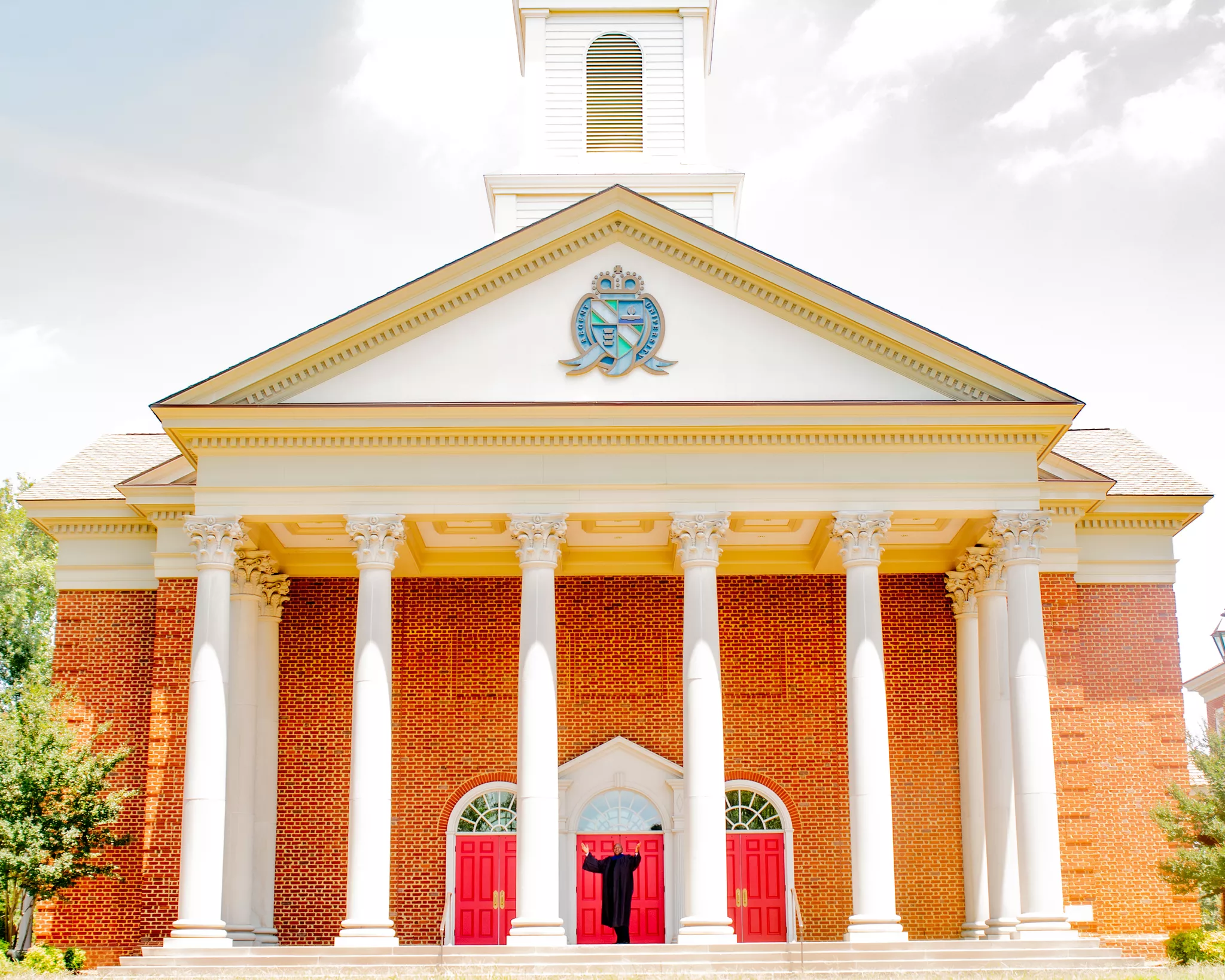
Almost everyone who forms an opinion about a building will never visit it. They will see six photographs. A jury judging an award, a client shortlisting firms, a traveller choosing a hotel, a tenant rep screening a floor plate. Six photographs, on a screen, in the time it takes to scroll past.
That is an uncomfortable amount of leverage to hand to whoever showed up with a camera.
It is also leverage that matters more than usual right now. The AIA/Deltek Architecture Billings Index for July 2026 came in at 46.6, with the downturn in business conditions now extending to nearly three and a half years. In the same month, inquiries into new projects rose while the value of newly signed design contracts declined further. Clients are still looking. Fewer are committing. The portfolio is the thing standing between an inquiry and a contract.
What separates it from real estate photography
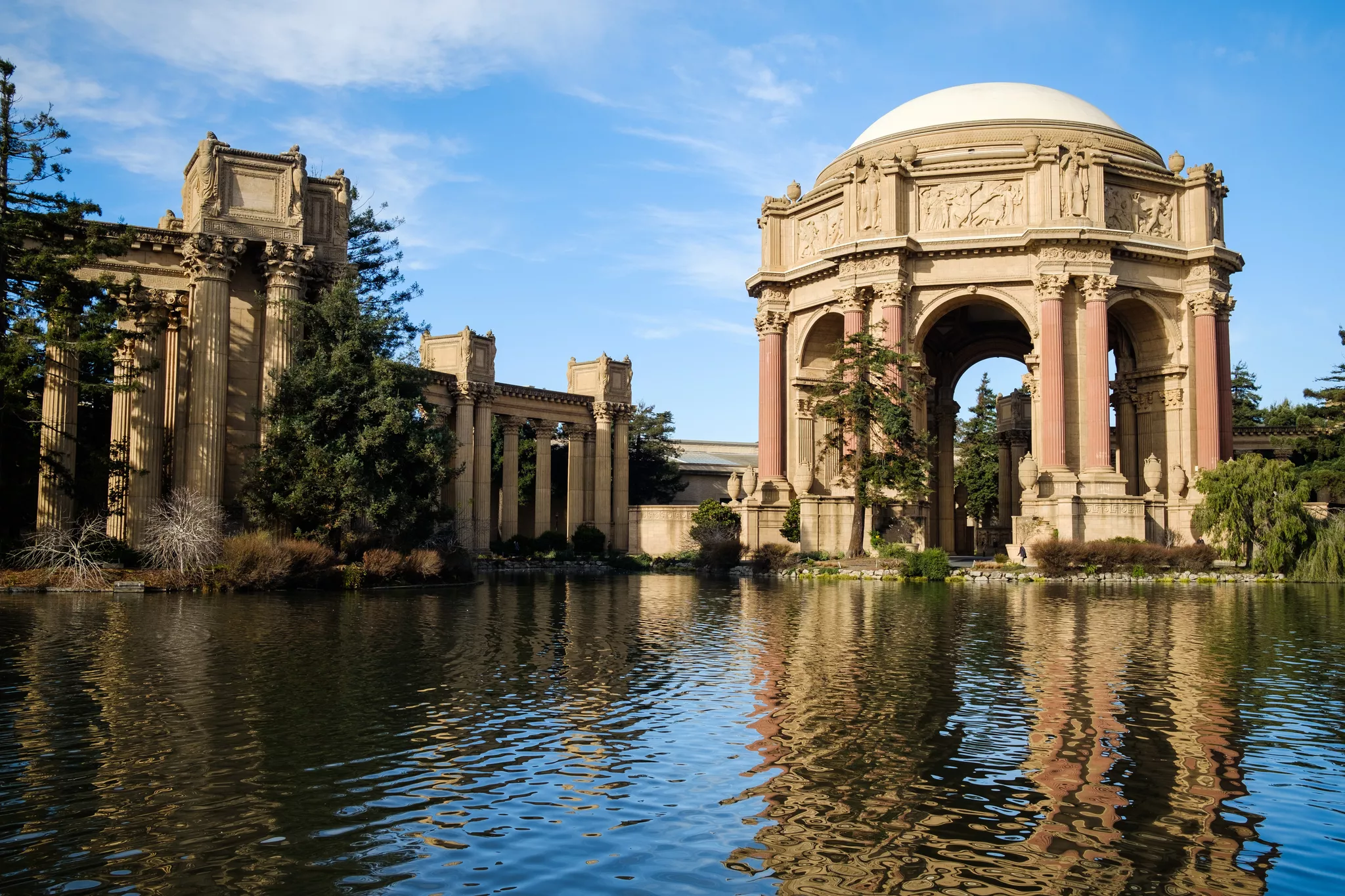
Both point a camera at a building. Almost nothing else is shared.
Real estate photography documents a property for sale or lease. It is fast and comprehensive, and its job is to show every room accurately. Coverage beats individual frames.
Architectural photography interprets a building as designed work. It is slow, selective, and its job is to show what the architect intended: how a stair lands, how light moves across a wall at four in the afternoon, how a facade meets the street. A single space might get one frame after two hours of waiting.
The technical demands follow. Corrected verticals, because converging lines make a considered building look like a snapshot. Blended exposures, because a blown-out window destroys the relationship between inside and outside. Careful timing, because the light that flatters a west-facing atrium lasts about forty minutes.
Licensing differs too. Architectural work is routinely licensed separately to the architect, the contractor, the engineer, the product manufacturers, and the client. Agree who can use what before the shoot, not after a manufacturer runs your image in a trade ad.
Where the pictures turn into money
Hospitality is the clearest case, because the transaction happens on the images. Expedia Group published the numbers on one property: after Papaya Playa Project in Tulum rebuilt its listing around four to five unique photos per room type, it saw a 50.3% year-over-year increase in average daily rate and a 27.5% increase in room nights.
Residential property shows the same effect in the sale price. Redfin's study of homes across 22 markets found that professionally photographed listings priced between $200,000 and $1 million sold for $3,400 to $11,200 more relative to their list prices, and that homes with the sharpest 10% of photos sold at or above list 44% of the time against 13% for average sharpness. Sharpness reads as competence, and viewers register it without knowing they have.
There is a floor effect as well. Nielsen Norman Group's eye-tracking found that people scrutinize images carrying real information and ignore purely decorative pictures. A generic wide shot of a lobby is decorative. A frame that shows how the lobby actually works is content.
What drives the price of an architectural shoot
Time on site, and the fact that light is not negotiable. A photographer cannot shoot a north-facing courtyard and a west-facing terrace in the same hour, so a building with several key elevations is a full day regardless of how fast the operator is.
Four other factors: the number of interiors, since each needs lighting and styling; whether the building is shot occupied or empty; retouching, since removing a skip bin or replacing a flat sky is labour; and licensing scope, because an image cleared for five parties costs more than one cleared for the architect alone.
The US median hourly wage for photographers was $21.47 in May 2025, a useful reminder that an architectural day rate reflects specialist skill rather than a general labour rate. Perspective control lenses, and the ability to use them, are not common.
Shooting a portfolio, not a project
One building is a booking. Forty hotels, or a development pipeline across six states, is an operation, and that is where firms end up with a photographer roster, a scheduling spreadsheet, and an editing backlog nobody wanted.
Snappr's Capture solution takes that off the plate: a vetted local specialist in each market, the same brief applied to every shoot, and edited images back on a fixed timeline. Enterprise accounts add expert-assisted creative guidelines and centralized in-house editing, so a portfolio shot across a dozen cities still looks like one body of work.
The logic behind twilight photography for hard-to-sell properties, virtual tours and our real estate photography guide holds here too: consistency across a portfolio beats brilliance on one asset.
Running visual content across a property portfolio is a program, not a purchase. Book time with Snappr's enterprise team to scope what consistent coverage across your locations would take.
Frequently asked questions
What is architectural photography?
Architectural photography is the discipline of photographing buildings and interiors as designed work, using corrected perspective, controlled or blended exposures, and deliberate timing so the images represent the architect's intent rather than simply documenting the space.
How is architectural photography different from real estate photography?
Real estate photography covers a property comprehensively and quickly so a buyer understands the layout. Architectural photography is selective and interpretive, shot to show design intent, and is usually licensed to multiple parties including the architect, contractor, and product manufacturers.
How much does architectural photography cost?
Price is driven by time on site, the number of interiors and elevations, retouching, and licensing scope rather than by image count. A single-elevation exterior can be a half day; a building with several key facades and multiple interiors is a full day or more.
What time of day is best for architectural photography?
It depends on orientation. Exteriors often work best at twilight, roughly twenty minutes after sunset, when interior lighting balances against the sky. Interiors are shot when direct sun hits the relevant elevation, which may be a forty-minute window.
Do I need permission to photograph a building?
For exteriors shot from public land, usually not in the US, though drone work has its own rules. Interiors, private land, and commercial licensing need the owner's written permission before the shoot.
Sources
1. AIA, Architecture Billings Index July 2026 — ABI score 46.6, downturn extends nearly three and a half years, inquiries up while contract value falls
2. Expedia Group, Unlocking Success in Hotel Bookings — Papaya Playa Project, 50.3% ADR and 27.5% room-night increases
3. Redfin study, via PR Newswire — professional listing photos and photo sharpness against sale price
4. Nielsen Norman Group, Photos as Web Content — decorative images ignored, informative images scrutinised
5. US Bureau of Labor Statistics, Photographers — May 2025 median hourly wage


