
The half-empty menu problem
Scroll any delivery app at dinner time and you'll see it. The burger has a glossy hero shot, steam curling off the patty. The pad see ew two items down is a grey placeholder. Guess which one gets ordered.
Delivery is no longer a side channel. The National Restaurant Association's 2025 Off-Premises Restaurant Trends report found that nearly 75% of all restaurant traffic now happens off-premises. For most restaurants, the app listing is the menu most customers ever see.
And on that menu, pictures decide. The 2026 Restaurant Industry Trends report from DoorDash and SevenRooms found 87% of consumers have chosen what to eat on a delivery app after seeing an appealing photo or video of a menu item. The same report found that reaching at least 50% menu photo coverage on DoorDash can increase sales by 13% on average.
So why do so many menus still stop at a handful of photos?
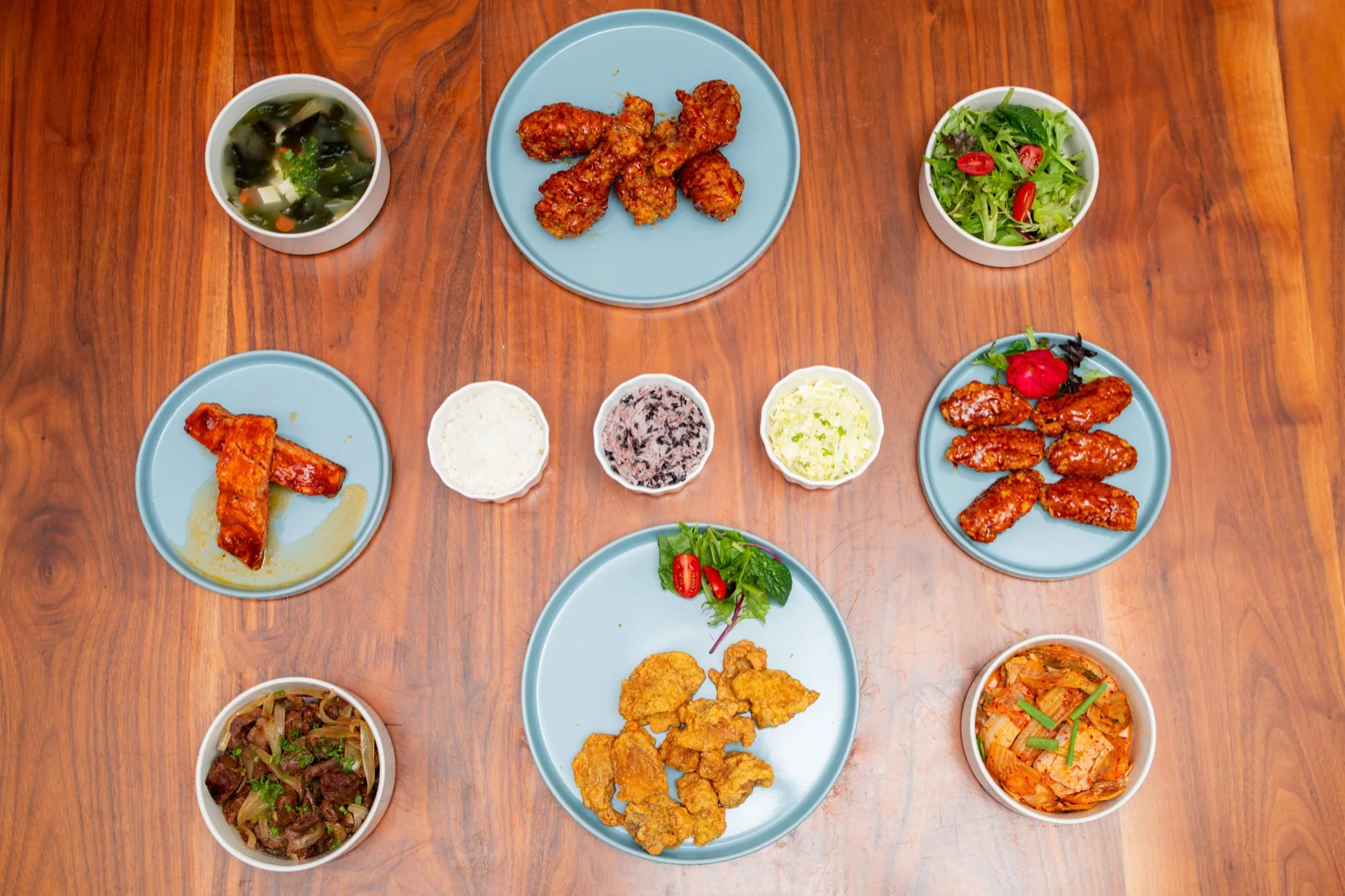
What delivery apps expect from menu photography
Each app sets its own photo rules, and photos that miss them get rejected. DoorDash's merchant help center, for example, asks for real photos of the actual item, with no clip art, illustrations or stock graphics.
That rule matters. A delivery photo is a promise about what arrives in the bag, and a beautiful image of the wrong dish costs you a refund and a review. For the size, crop and quality rules by platform, see our guide to image gaps on food delivery apps.
Why most menus stay half-shot
The problem isn't that restaurants don't believe in photos. It's the math.
A professional shoot handles your hero dishes beautifully. But menus change, seasonal items rotate, and a group with dozens of locations may have hundreds of items across slightly different menus. Rebooking a photographer for every new special rarely pencils out, so the gaps stay.
Snappr's Magic Menus page puts typical coverage at around 20% of menu items. That means most of the menu is selling on text alone, which our guide to getting more orders on DoorDash and Uber Eats shows is a costly place to be.
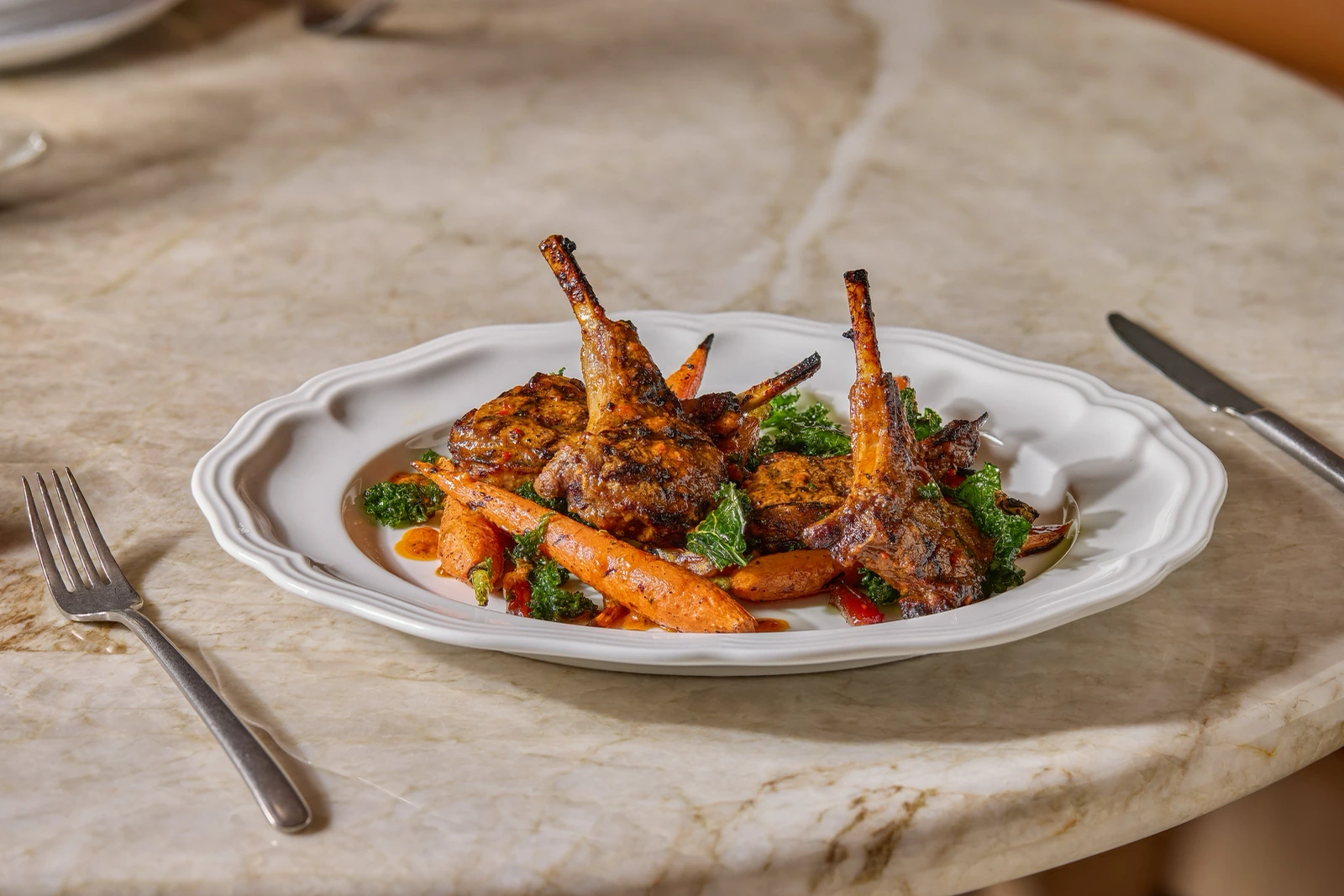
Shoot the heroes, generate the rest
The fix most large menus land on is a split. Book professional menu photography for the dishes that carry the brand. Then fill everything else with AI menu images that match the look.
That's the job Magic Menus was built for. It generates an image for every item on a menu, matched to a brand's background, angle and crop, so the AI-made photos sit next to the shot ones without clashing. Every image is reviewed by photographers and other experts for visual quality and ingredient accuracy before it goes live, so the chicken tikka actually looks like chicken tikka.
It runs at the click of a button or through an API that plugs into existing menu data, and it works with the IDs of all major delivery apps. It also covers places a photographer can't easily reach. Snappr's Magic Menus page says it works worldwide, including rural and remote areas outside the photographer network.
The scale is already real. According to the same page, Snappr has generated menu images for more than 138,000 restaurants, and three of the world's largest food delivery apps use Magic Menus.
A simple plan for full menu coverage
1. List every item that's live on each app, and mark which have no photo or a weak one.
2. Book a shoot for your top sellers and signature dishes.
3. Use AI menu images, matched to that shoot's style, for the rest.
4. Check every image against each app's specs before uploading.
5. Repeat for new items, instead of waiting for the next full shoot.
Frequently asked questions
How much of my menu should have photos?
As much as you can manage. The 2026 Restaurant Industry Trends report from DoorDash and SevenRooms found that reaching at least 50% menu photo coverage on DoorDash can increase sales by 13% on average, so half the menu is a sensible first target.
Which menu items should I photograph first?
Start with your best sellers and signature dishes, since they carry the brand and the most orders. Then work through every item with no photo or a weak one, and fill those gaps with AI menu images matched to your shoot's style.
Can AI menu photos look like my real food?
They can when they're checked. Magic Menus has photographers and other experts review every image for visual quality and ingredient accuracy, and matches the background, angle and crop to your brand. Check each delivery app's own photo policy before uploading.
Is menu photography still worth paying for?
Yes, for the dishes that carry your brand. A professional shoot sets the quality bar and gives AI images a style to match, so the two work best together.
Fill every gap on your menu
Running menus across many locations or brands? Talk to Snappr's Enterprise team about pairing professional shoots with Magic Menus to cover every item.
Sources
1. National Restaurant Association, "From Trend to Transformation" (Apr 2025): nearly 75% of restaurant traffic happens off-premises
2. SevenRooms, 2026 Restaurant Industry Trends: 87% of consumers chose food from a photo or video; 50% photo coverage lifts DoorDash sales 13% on average
3. DoorDash, Restaurant Industry Trends report: joint DoorDash and SevenRooms report and the 13% menu photo finding
4. DoorDash Merchant Support, "Common Reasons for Rejected Menu Photos": real photos of the actual item, no clip art, illustrations or stock graphics


