
An Empty Room Is a Silent Price Cut

A vacant living room photographs as a cold rectangle. A buyer scrolling listings on a phone can't picture a life in it, so they swipe past. You already know staging fixes that. What stops most agents is the sticker on physical staging: a median of $1,500 for a staging service, per the National Association of Realtors, before monthly furniture rental resets the meter. Virtual staging promises the same visual payoff for a sliver of that. So the question every listing agent asks is simple: what does virtual staging cost, and is the cheap version any good?
What virtual staging costs in 2026
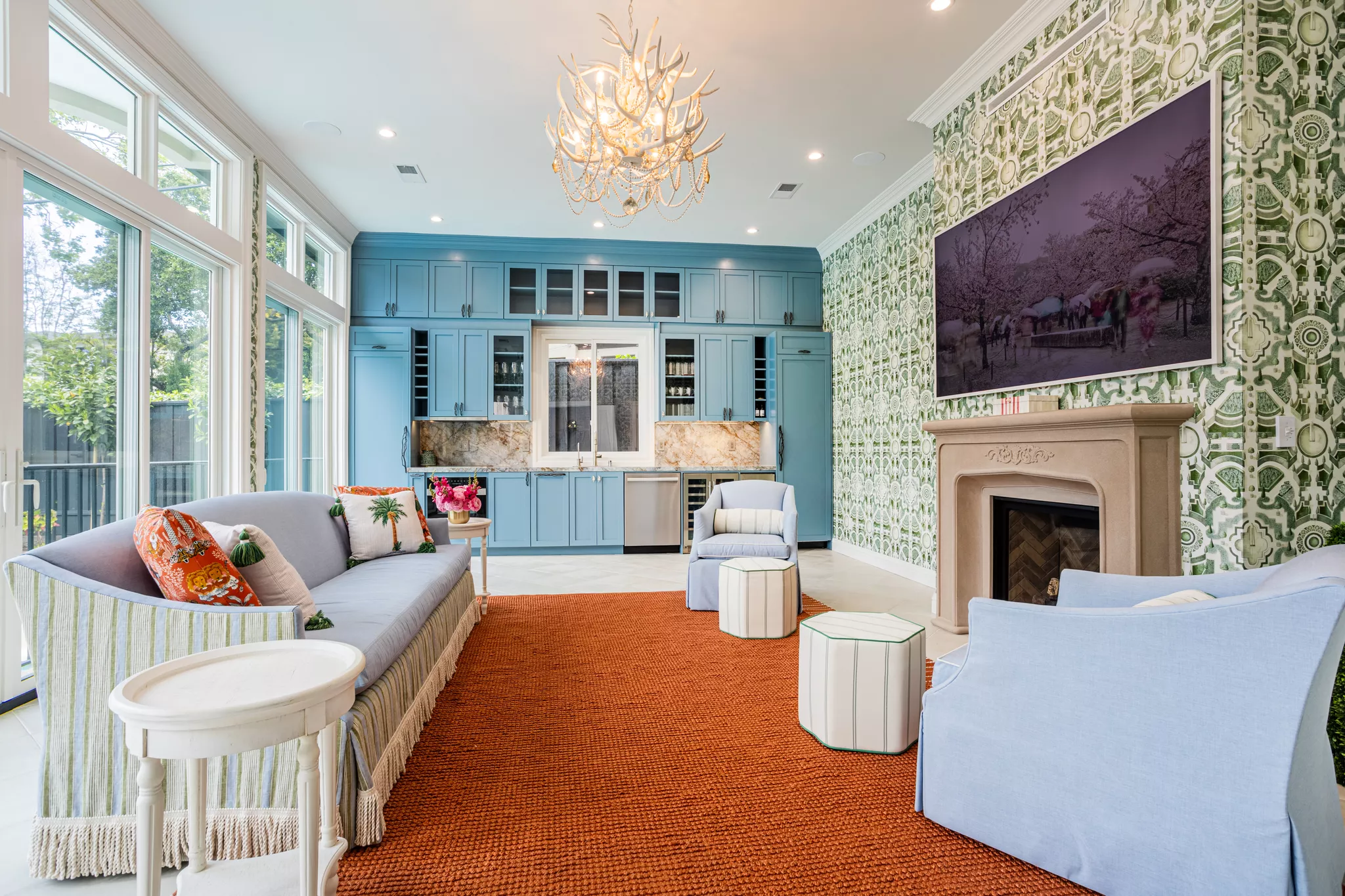
Virtual staging runs on two tracks, and the price gap between them is wide.
AI tools sit at the bottom. Platforms like Virtual Staging AI furnish a photo for roughly a dollar; its standard plan works out to $0.95 per photo, and even the entry tier stays under $3. You upload an empty room, pick a style, and get furniture dropped in within minutes.
Human-edited services sit a rung up. HomeLight pegs professional per-photo staging at $20 to $50 each. BoxBrownie, one of the larger editing shops, charges a flat $30 per image with a 48-hour turnaround and no subscription. A real editor places and scales the furniture, so shadows, reflections, and proportions hold up under a close look.
Now the contrast that matters. Physical staging carries that $1,500 median for a staging service, and that covers only the first stretch; additional months of furniture rental run $150 to more than $1,000. Furnishing six rooms virtually might cost about $180 with a $30-per-image editor, or under $20 with an AI tool.
Why the price swings so much
Same phrase, very different products. Four things move the number: the method (AI generation versus a human editor), the turnaround (minutes versus 24 to 48 hours), the revision policy (some services bundle changes, others bill for them), and the room count, since you pay per image and a whole-home listing adds up fast.
The cheapest AI output can give itself away: floating couches, furniture that ignores the room's scale, rugs that bend where the floor doesn't. Human-edited staging costs more because someone measures the space and matches the light. On a high-end listing, that difference reads instantly to a buyer. On a quick rental turn, AI is often plenty. Our dos and don'ts of virtual staging walks through where each one fits.
Is virtual staging worth the cost?
The data says staging earns back its small price. In NAR's 2025 Profile of Home Staging, 29% of agents reported that staging produced a 1% to 10% increase in the dollar value offered, and 49% of sellers' agents saw staged homes spend less time on the market. Most tellingly, 83% of buyers' agents said staging made it easier for a buyer to picture the property as a future home.
Photos are where that first impression forms. The same report found buyers' agents rate listing photos as highly important to 73% of their clients, and 31% of buyers were more willing to walk through a home they had seen online when it was staged to their taste. Empty rooms forfeit that moment. As we cover in our piece on why professional listing photos help homes sell faster, the image is the storefront.
The real cost shows up at scale
For a single listing, virtual staging is a rounding error. For a brokerage or a property management team running dozens of listings a month, the math changes. Per-photo fees multiply, turnaround times stack up, and quality drifts when every agent reaches for a different tool. One listing gets tasteful furniture scaled to the room; the next gets AI furniture sinking into the floor. That inconsistency is the cost nobody budgets for.
Doing it piecemeal is what breaks down. Snappr's editing and virtual staging pair AI speed with human quality control, so a 40-listing month comes back in one consistent style, on one timeline, at a predictable per-image rate. Guidelines get set once and applied to every image, and staging becomes one automated step instead of a scramble across markets. We break down the operational side in our guide to automating property photos and virtual tours.
Empty rooms don't have to cost you a sale or a season on the market. Book time with Snappr's Enterprise team to see how virtual staging and editing scale across your whole portfolio.
Frequently asked questions
How much does virtual staging cost per photo?
Virtual staging costs roughly $1 to $3 per photo, while human-edited services generally run $20 to $50 per image. Flat-rate editors such as BoxBrownie charge about $30 per image with no subscription. Physical staging, by comparison, carries a median cost of $1,500 for a staging service.
Is virtual staging cheaper than traditional staging?
Yes, and by a wide margin. Furnishing a full listing virtually usually costs tens of dollars, versus a $1,500 median plus ongoing monthly rental for physical staging, according to NAR. The tradeoff is that virtual furniture lives only in the photos, not in the home during in-person showings.
Does cheaper virtual staging look fake?
It can. Low-cost AI tools sometimes produce furniture that ignores scale, lighting, or perspective. Human-edited or human-reviewed staging costs more because an editor matches proportions and light, which matters most on higher-value listings.
Do you have to disclose virtual staging?
Most industry guidance and many MLS rules call for disclosing that listing photos were virtually staged. It is a transparency issue: the goal is to help buyers see the potential of a space, not to misrepresent it. Label staged images clearly.
Sources
1. NAR 2025 Profile of Home Staging (newsroom release) — median staging service cost, price and time-on-market impact, buyer visualization stats
2. BoxBrownie Virtual Staging — $30 per image flat human-edited virtual staging pricing
3. Virtual Staging AI Pricing — virtual staging plans at roughly $0.95 to $2.67 per photo
4. HomeLight: Staging vs Virtual Staging — per-photo human staging range and monthly physical staging rental costs


